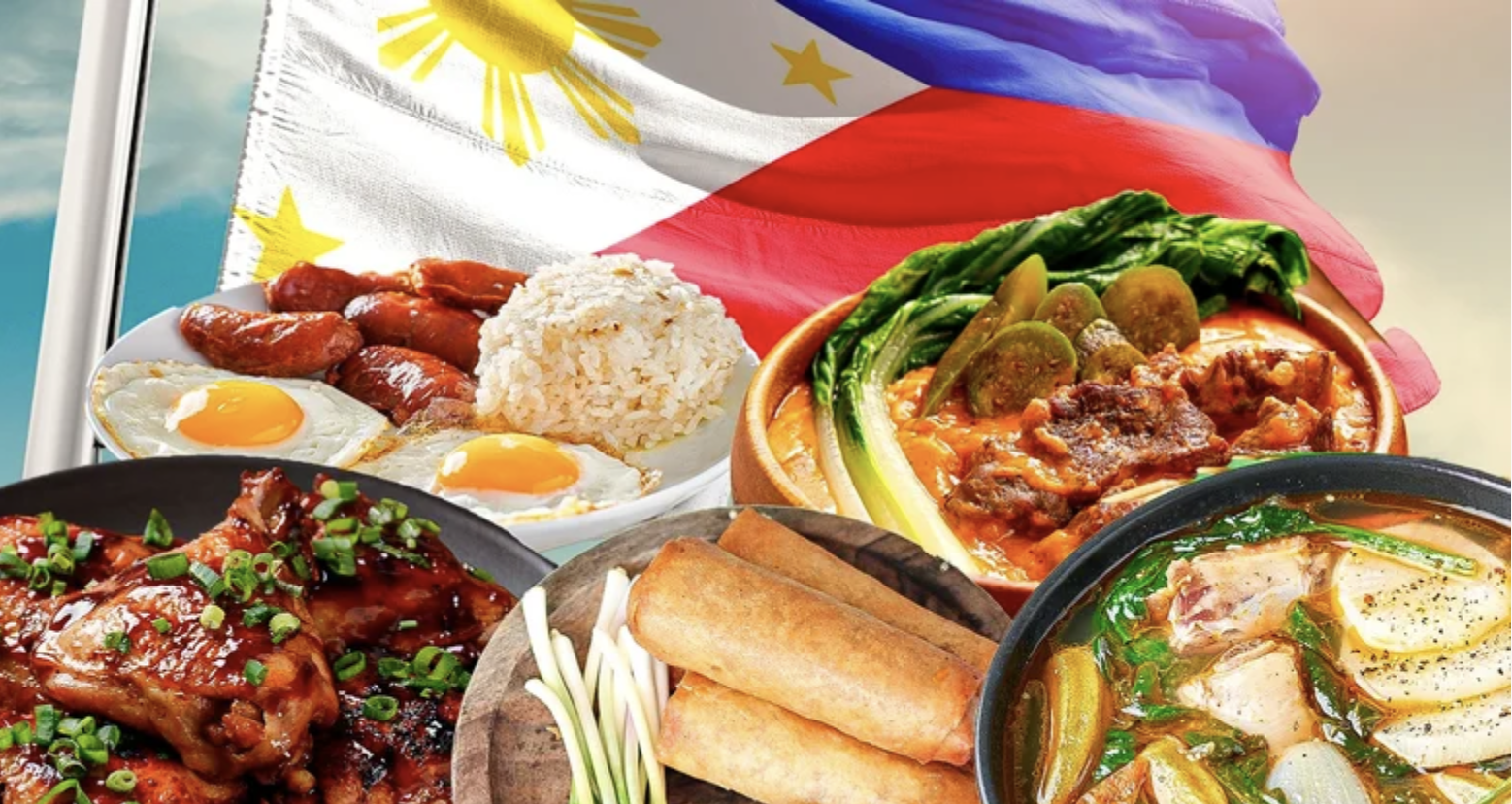
For several decades now, the definition of “Filipino food” — both on global stages and across domestic tables — was compressed into a narrow, Tagalog-Luzon frame.
Adobo, sinigang, kare-kare, and lechon dominated menus, while the rest of the 7,000-island archipelago sat quietly in the background.
That story is changing rapidly. A broader, regional movement is taking over, transforming Filipino dishes once classified as humble home cooking into the main event.
A decentered palate
When the MICHELIN Guide landed in the Philippines in 2025, its inaugural coverage on Filipino cuisine swept across Manila, Cavite, and Cebu. That expansion signaled a wider industry trend: the country’s culinary identity is no longer being read exclusively through a capital-centric lens.
Across the metro, regional Filipino cuisine — long treated as folk cooking or relegated to regional food stalls — is being reframed with serious gastronomic focus.
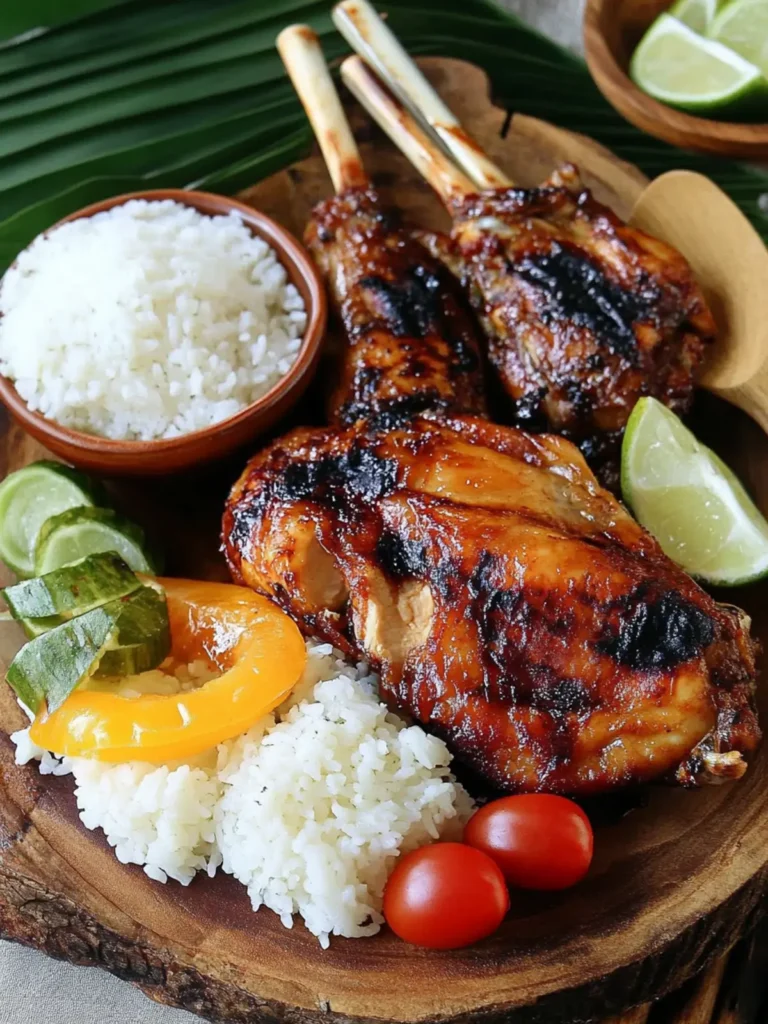
The shift is evident on modern menus. Visayan restaurants in Metro Manila are leading with humba, La Paz batchoy, and Bacolod-style chicken inasal — not as novelty items, but as headliners. Some of these flavor profiles — like the sweet-heat combinations we explored in our piece on why “swicy” has always lived in Filipino kitchens — have also been a part of regional cooking for generations.
Visayan staples are leading Metro Manila dining rooms with prominence. At Bai Hotel Cebu, Chef Ryan Estrada anchors menus around humba — slow-cooked pork that’s simmered in soy sauce, vinegar, garlic, peppercorns, bay leaves, and fermented black beans —treating it with the same technical precision usually reserved for classic French braises. The sweet-and-savory complexity of these dishes taps into deep-rooted regional techniques that have existed for generations.
Further south, Mindanaoan cuisine is finally earning long-overdue airtime. Dishes like Zamboanga’s satti, Maguindanao’s pastil, Sulu’s tiyula itum, and Surigao’s smoky, citrus-cured sinuglaw are introducing diners to complex flavor profiles built on burnt coconut, native spices, and distinct regional acid bases.
Three driving forces
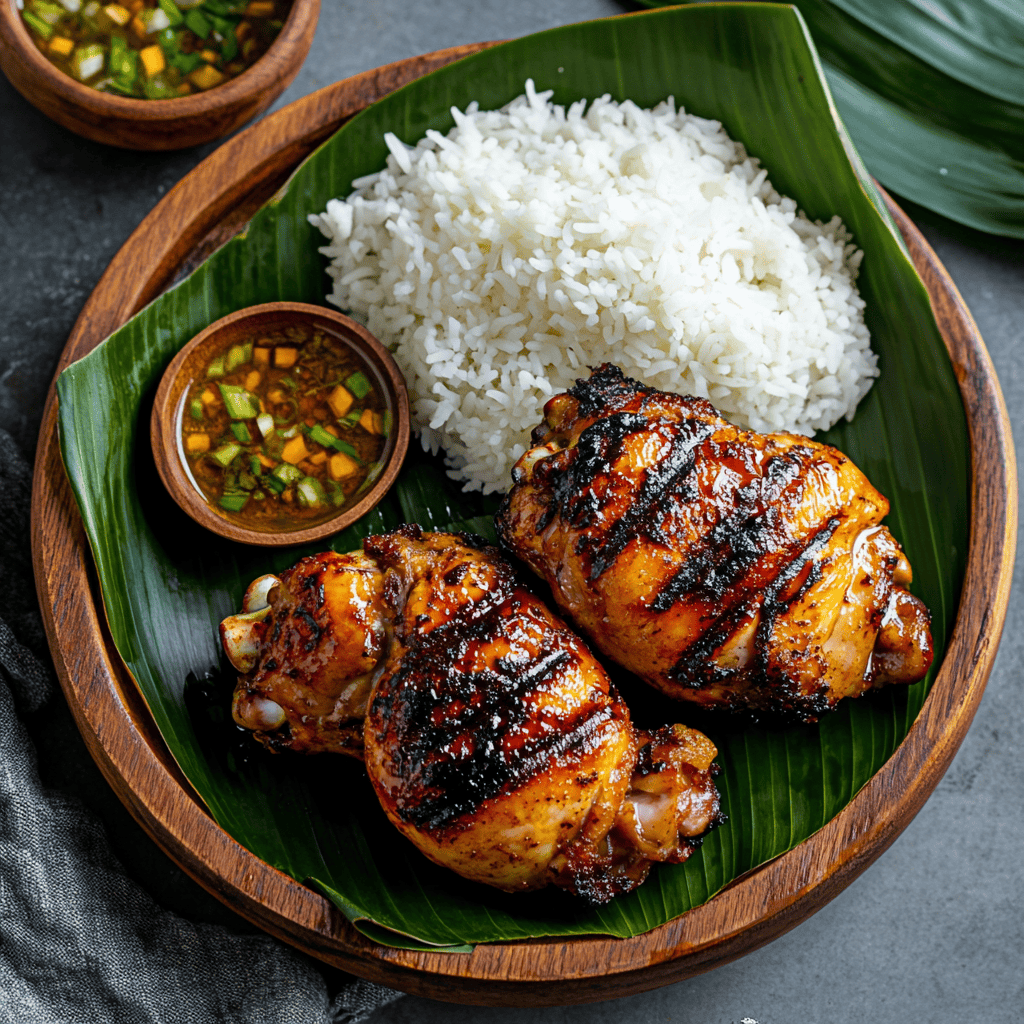
IMAGE CREDIT: Kusina Secrets
This culinary decentralization is driven by three converging factors:
- Unapologetic stewardship: A generation of younger, globally exposed chefs is returning home to cook their regional heritage without flattening the flavors for a generalized palate. MICHELIN inspectors noted that over 40% of professional kitchens in their initial review were led by chefs under 38.
- Internal migration and palate evolution: Decades of demographic shifts have brought Bisaya, Ilonggo, and Bicolano cooks into kitchens across the capital, creating a critical mass of culinary talent that demands authenticity over adaptation.
- Diner curiosity: Modern diners are asking far more precise questions. “What kind of Filipino?” now naturally follows “Filipino food,” driving a demand for un-diluted regional execution.
Regional food often suffers when adapted for mass commercial production — the food-court version of Bicol’s laing rarely matches the version simmered in a local kitchen with fresh gata and siling labuyo. The current wave of chefs and operators is actively closing that gap, proving that the true depth of Philippine gastronomy lives across the entire.