Seasonal fruits are beginning to take over fruit stands again as the country moves deeper into the rainy season and closer to the Ber months.
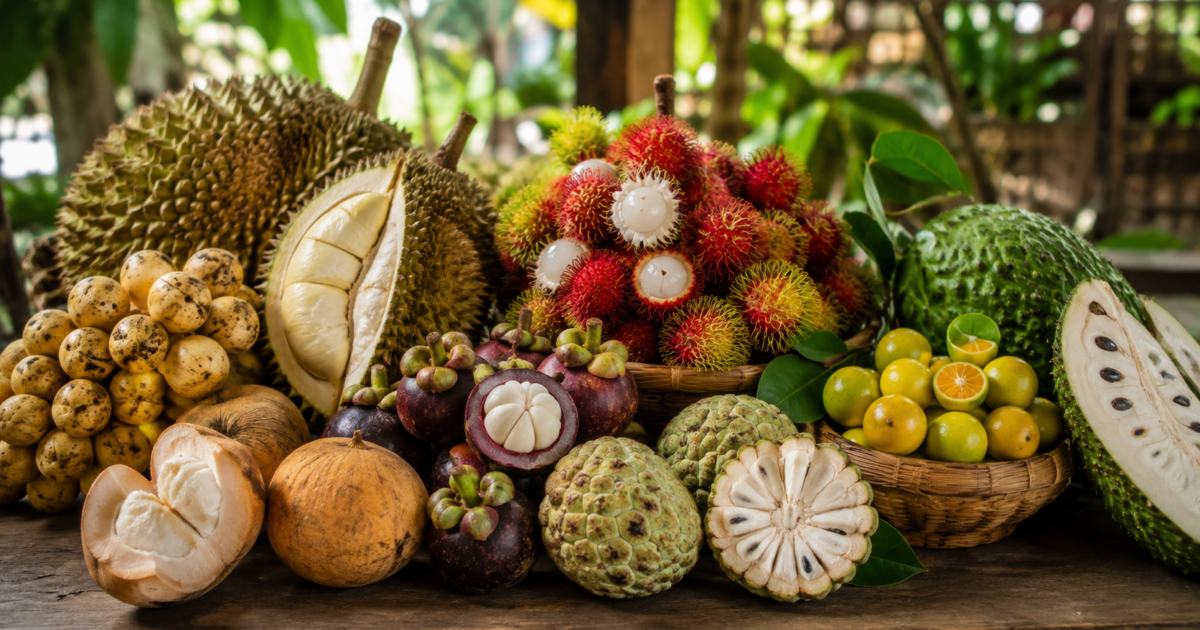
This year, shoppers do not have to wait until September. By August, fruits such as rambutan, mangosteen, lanzones, durian, avocado, and marang are among the local produce coming into season.
The Department of Agriculture has also been bringing Davao produce to consumers in Manila, Baguio, and Cebu through its Kadiwa on Wheels program.
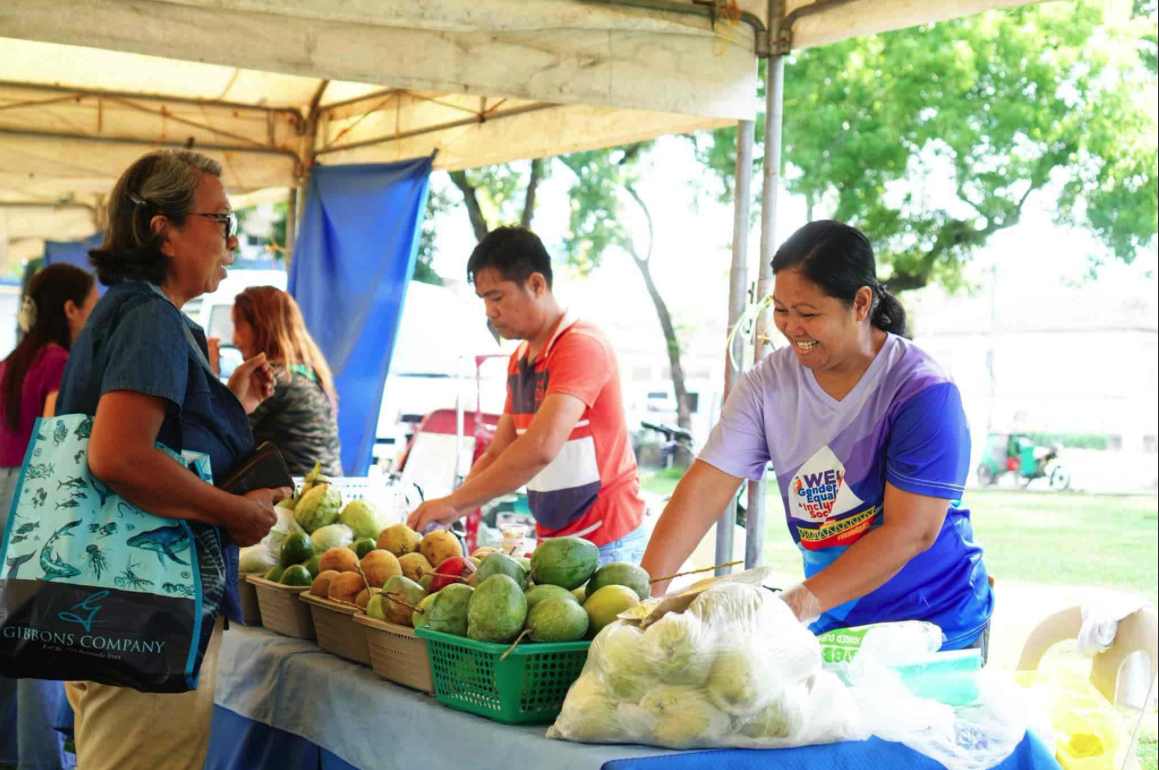
For anyone who prefers buying local, the next few months offer one of the best windows of the year to explore Philippine-grown fruit.
Here are the seasonal fruits worth watching for from August through December 2026.
Rambutan: August to October
With its bright red shell and soft, hair-like spikes, rambutan is difficult to miss once piles of it begin appearing in markets.
Its usual Philippine season runs from August to October, making this one of the fruits to enjoy now rather than saving for later in the year.
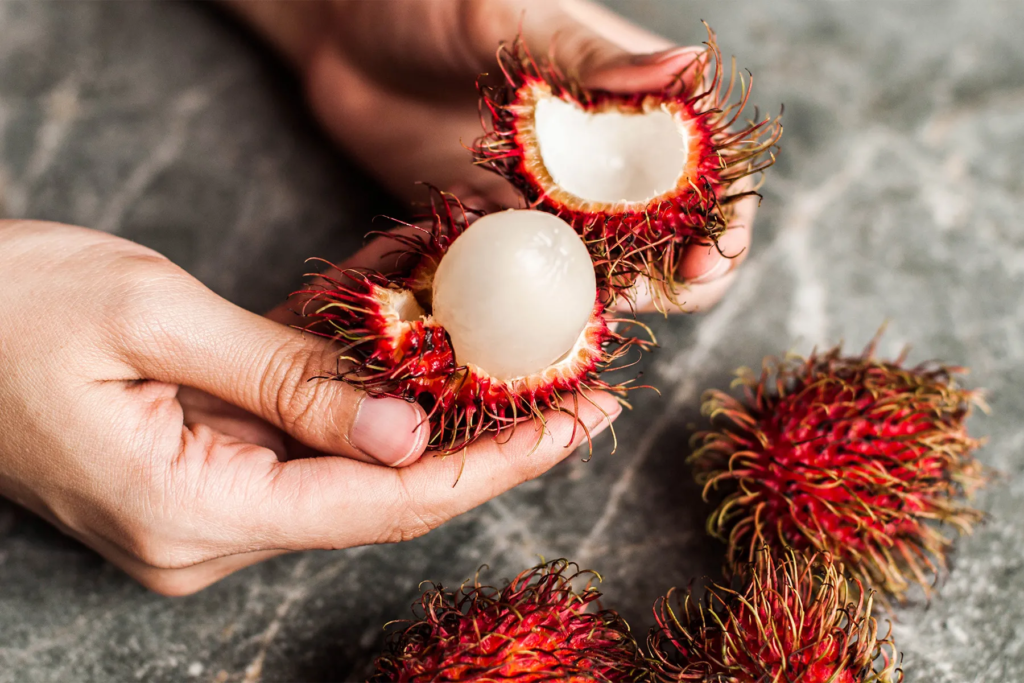
Inside the unusual exterior is translucent, mildly sweet flesh similar to lychee. Look for fruits with vibrant red or reddish-yellow skins rather than those already turning dark and dry.
Best way to enjoy it: Keep things simple and eat rambutan chilled and fresh. Just be careful when biting around the seed.
Durian: August to October
August is also an especially good time to look for durian.
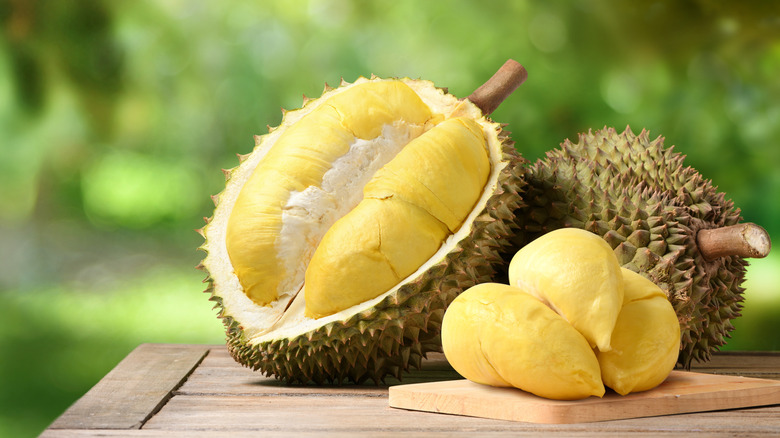
The fruit is traditionally abundant from August to October, particularly in Mindanao. Its harvest is closely associated with Davao’s Kadayawan season, when the city’s agricultural abundance becomes part of the celebration.
The 2026 Kadayawan Festival is once again putting Davao’s culture and local products in the spotlight this August.
For first-timers, durian’s aroma can be intimidating, but the flesh is rich, creamy, and sweet.For first-timers, its aroma can be intimidating, but the flesh is rich, creamy, and sweet.
Best way to enjoy it: Try fresh durian first. If the flavor is too strong, durian ice cream, pastries, and candies offer an easier introduction.
Mangosteen: Until around November
Mangosteen is another fruit that becomes easier to find during this part of the year.
Its typical season stretches from June to November, giving shoppers several more months to enjoy it in 2026.
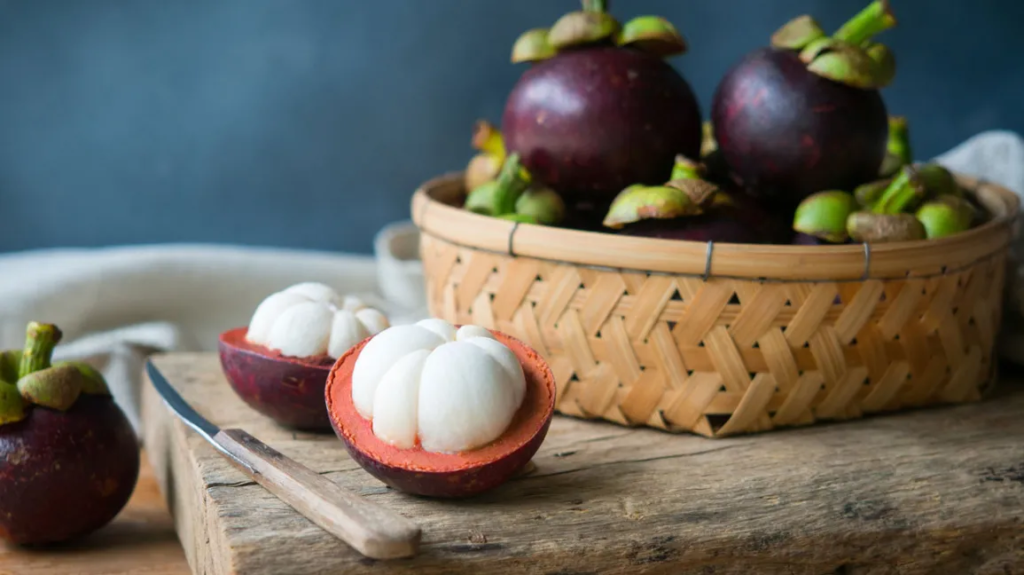
Break open its deep purple rind and you will find white segments with a sweet, slightly tart flavor. It is a refreshing contrast to the richness of durian, which is one reason the two fruits are often associated with the same Mindanao fruit season.
Best way to enjoy it: Eat it fresh and chilled. Choose mangosteens whose rind still gives slightly when gently pressed.
Lanzones: August to December
Lanzones may be closely associated with the Ber months, but its season can begin as early as August and continue until December.
That makes it one of the longest-running seasonal treats in the second half of the year.
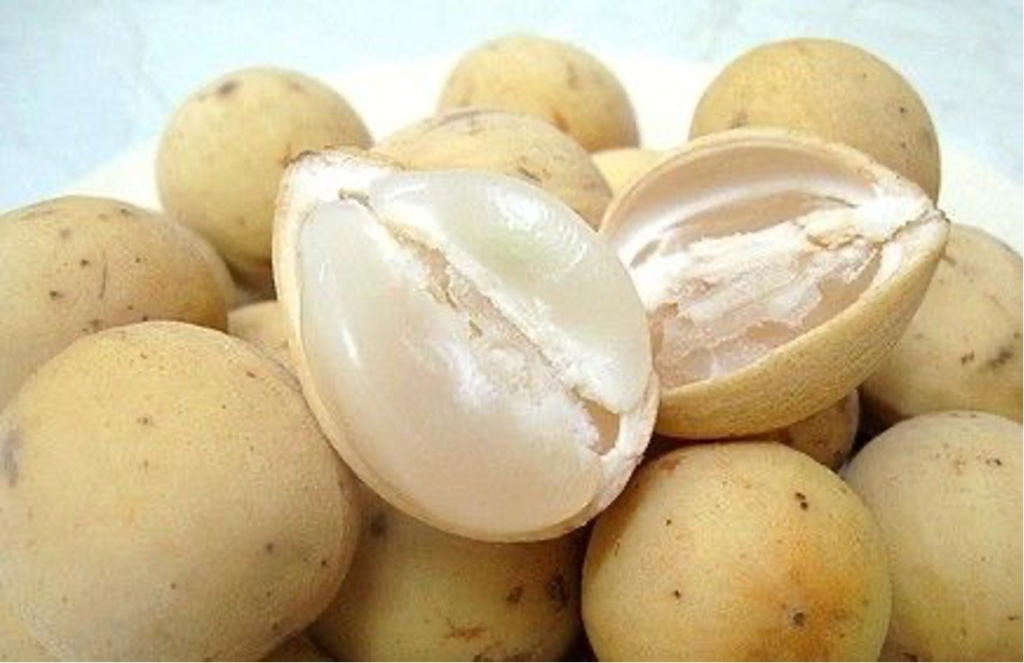
The small round fruits hide juicy sections that balance sweetness with a light tartness. Just avoid biting directly into the seed, which can be noticeably bitter.
Best way to enjoy it: Fresh is still best. Lanzones spoil relatively quickly, so buy only what you expect to finish within the next few days.
Santol: Catch it before the season ends
If you still see santol in markets this August or September, consider picking some up before its season winds down.
Santol generally runs from July to September.
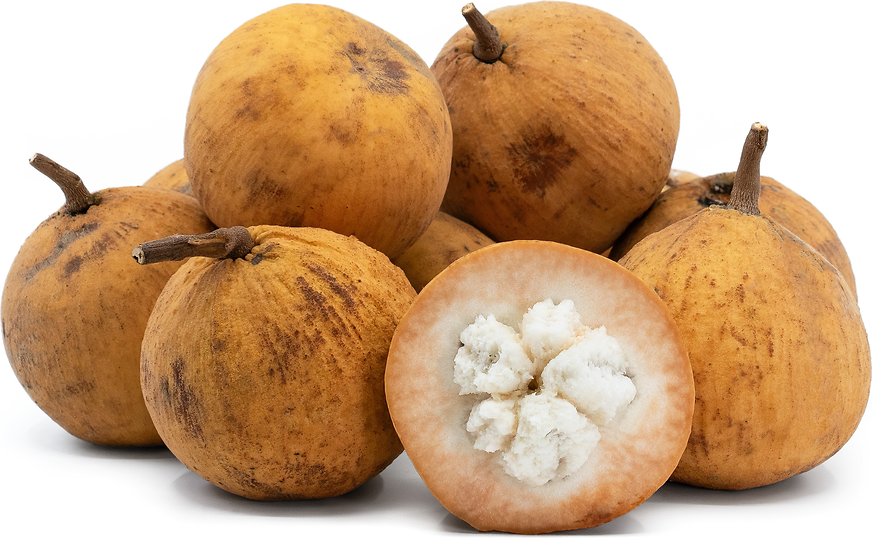
Beyond eating the cottony white flesh with salt, santol is also one of those Filipino fruits that easily crosses from snack to ulam. It can be transformed into dishes such as ginataang santol, where its sourness works with coconut milk, chilies, and savory ingredients.
Best way to enjoy it: Eat it fresh with salt, or turn it into a savory dish while supplies are still easy to find.
Atis: September to December
As rambutan and santol begin disappearing later in the year, atis enters its peak season.
Atis is generally available from September through December.
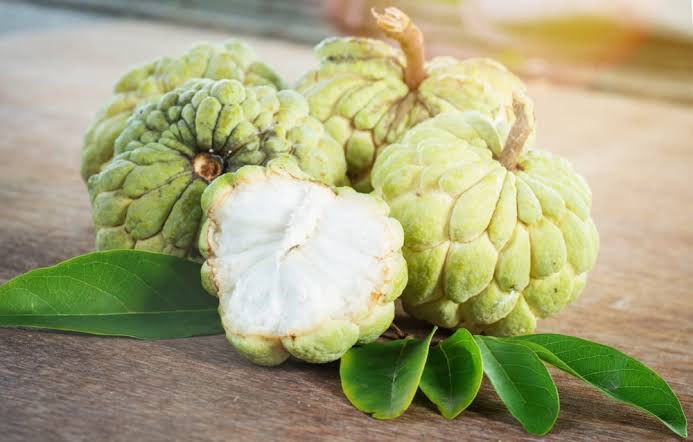
Its segmented green exterior opens into soft, creamy, naturally sweet flesh packed around shiny black seeds. It is one of the fruits that requires a little patience to eat but rewards you with an almost dessert-like texture.
Best way to enjoy it: Let the fruit soften before opening it, then eat the flesh chilled with a spoon while removing the seeds.
Guyabano: August to November
Guyabano is another fruit worth looking for between now and November.
Its combination of sweetness and acidity works particularly well in drinks, smoothies, ice cream, and chilled desserts. Ripe guyabano should feel slightly soft when pressed rather than completely hard.
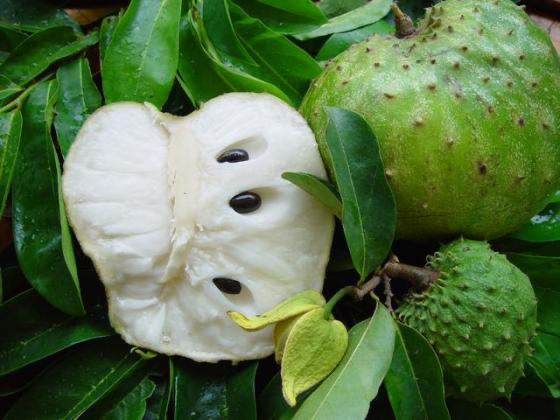
Best way to enjoy it: Blend the flesh with ice for a refreshing juice or smoothie, making sure to remove the seeds.
Dalanghita and other citrus: October to December
Once October arrives, expect citrus to become a bigger part of the fruit selection.
Dalanghita typically comes into season from October through December, making it particularly fitting for the run-up to Christmas. Pomelo, meanwhile, is generally available throughout the year.
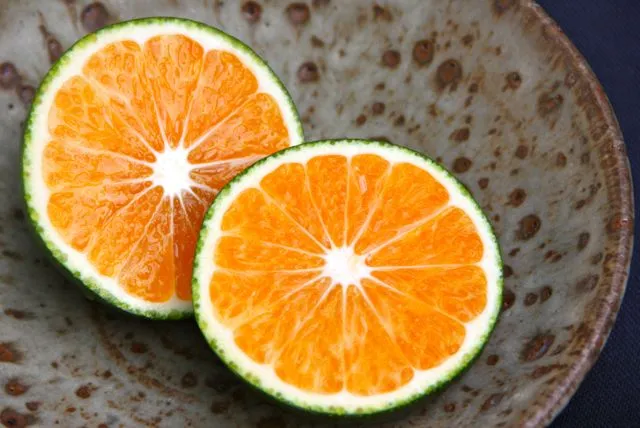
These fruits are easy additions to holiday tables because they require little preparation and offer a refreshing break from richer Christmas dishes.
Best way to enjoy them: Serve chilled and peeled, squeeze them into fresh juice, or add citrus segments to salads.
Some Filipino favorites never really leave
Not everything requires waiting for the right month.
Bananas and papayas are among the Philippine fruits generally available year-round, while pomelo is also widely available.
That makes them dependable choices between shorter harvest windows.
Still, seasonality is not an exact calendar. Harvest periods can shift depending on location, rainfall, temperature, and growing conditions. Davao City officials, for example, have previously noted how unusually heavy rainfall affected durian fruiting and altered expected harvest volumes.
Buy what the season gives you
Imported fruit and modern distribution mean Filipinos can now find many varieties almost any time of year. But there is something different about walking through a market when a local harvest is at its height.
One month it is rambutan and durian piled high at fruit stalls. Soon, lanzones and atis begin taking their place. By the time Christmas approaches, citrus fruits become easier to spot.
Buying seasonal fruits in the Philippines is not just about following a calendar. It is an easy way to rediscover local produce, support the farmers who grow it, and enjoy each fruit while it is at its freshest.
So before reaching automatically for imported apples or grapes, look around the fruit section first.
The best thing to buy in 2026 might simply be the fruit that is in season right now.