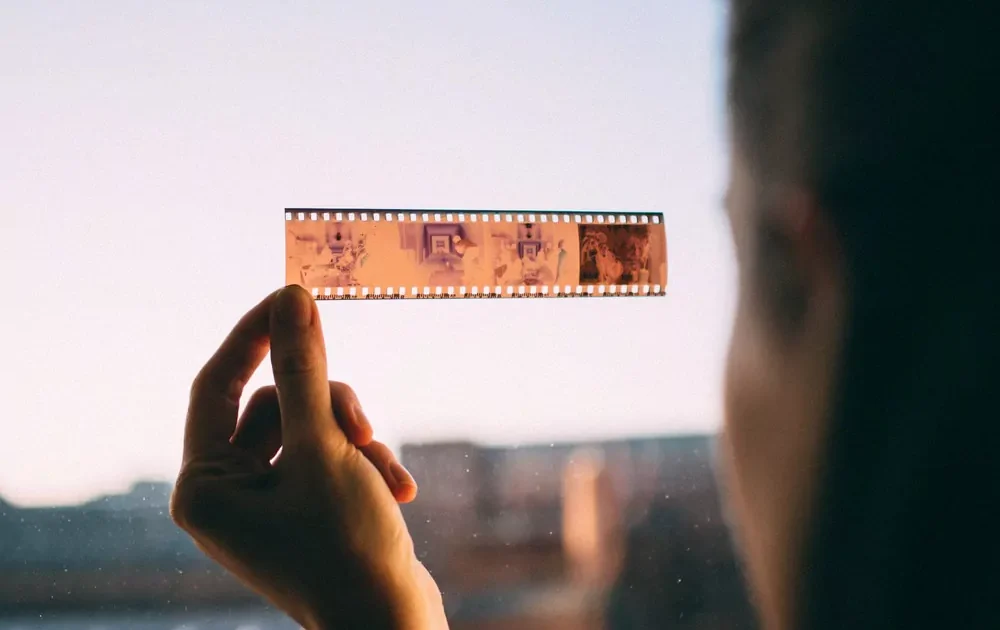
For years, the smartphone seemed destined to make standalone cameras irrelevant in photography.
Why carry a separate device when the phone in your pocket can take high-resolution photos, automatically improve lighting, remove imperfections, and instantly upload everything to social media?
Yet something unexpected is happening. Digital cameras and film photography are finding their way back into the hands of younger generations.
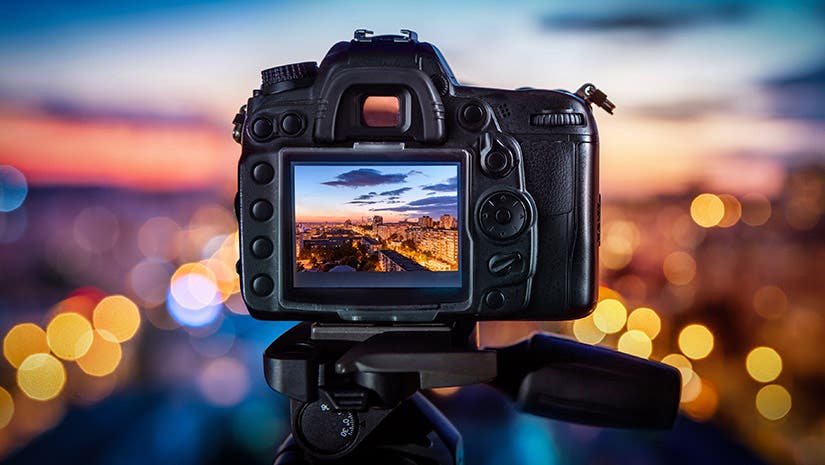
IMAGE CREDIT: How to Learn Photography For Beginners (5 Tips) – Adorama
Old point-and-shoot cameras, early digital cameras, and even 35mm film cameras are becoming desirable again. On social media, grainy photographs, harsh flash, slightly blurry portraits, and imperfect colors are often celebrated rather than corrected.
For many young Filipinos, the appeal isn’t about having the newest technology. It’s about experiencing photography differently.
Why old cameras feel like new again
Part of the appeal comes from nostalgia.

IMAGE CREDIT: Capture
Even people who didn’t personally use early digital cameras remember the visual style associated with them. Flash-heavy party photos, low-resolution selfies, timestamped images, and slightly washed-out colors have become recognizable aesthetics of the 2000s and early 2010s.
That look now feels distinctive in a world where smartphone cameras can produce increasingly polished images.
The digital camera trend in the Philippines is therefore less about technology becoming obsolete and more about an old visual language becoming fashionable again.
The charm of imperfect photos
Modern smartphone photography is designed to make images look better automatically.
Artificial intelligence, computational photography, HDR, portrait modes, and editing tools can transform an ordinary photo into something polished within seconds.

IMAGE CREDIT: A Year with my Camera
Film and older digital cameras work differently.
The lighting might be imperfect. The focus might miss. The flash might be too strong. Colors can look strange. Sometimes the photo isn’t technically “good” at all.
And that’s exactly why people like it.
The imperfections give photographs a sense of personality and unpredictability that highly processed images can sometimes lack.
Film photography brings back the waiting game
Film photography takes the idea of slowing down a step further.
Unlike digital cameras, film doesn’t allow photographers to immediately review every shot. Each frame costs money, and photographers need to wait for the film to be developed before seeing the results.

IMAGE CREDIT: Film Photography For Complete Beginners (Cameras, rolls & shooting)
For a generation accustomed to taking dozens of photos and deleting most of them, that limitation can feel surprisingly refreshing.
Film encourages people to think before pressing the shutter. Instead of photographing everything, they may become more selective about what deserves to be captured.
This makes film photography in the Philippines more than a nostalgic hobby. For some, it’s a way to make photography feel more deliberate.
Gen Z is making photography social again
Social media has played an unexpected role in bringing old photography formats back.
TikTok, Instagram, and Pinterest are filled with photography inspiration featuring vintage cameras, film scans, flash photography, and retro photo albums.
Young creators share camera recommendations, show their collections, and post comparisons between smartphone and digicam photographs.
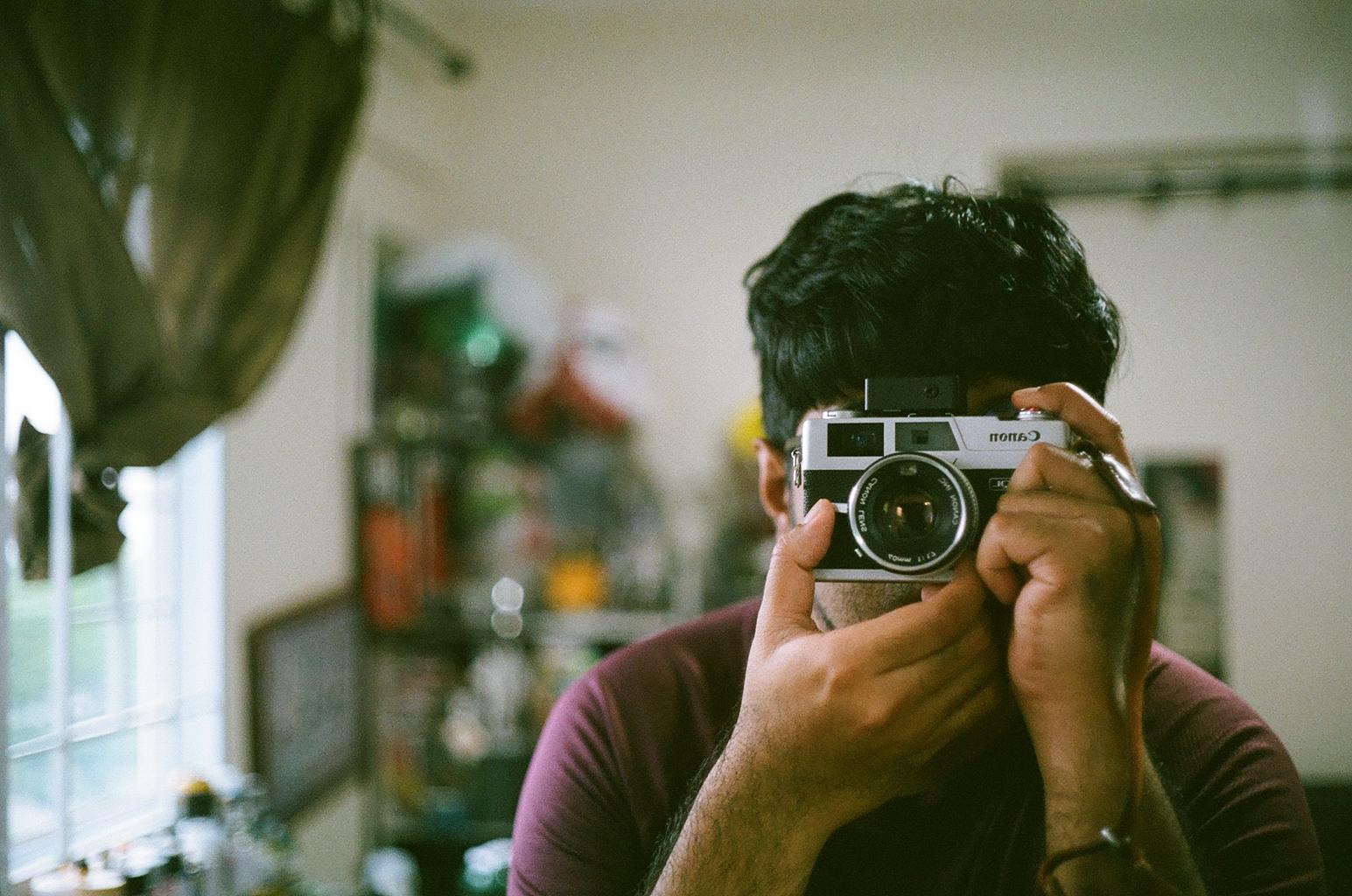
IMAGE CREDIT: consumerthai.org
Instead of hiding imperfections through filters, many users now seek out cameras that naturally create the aesthetic they want.
The irony is hard to miss: people are using modern social media platforms to celebrate photography technology from decades ago.
Why digicams are especially appealing
For those who want the nostalgic look without the cost and inconvenience of film, older digital cameras offer a convenient middle ground.

IMAGE CREDIT: The rise, fall, and resurgence of point-and-shoot digicams
Point-and-shoot cameras from the 2000s can be relatively simple to operate and produce distinctive images without requiring film rolls or developing fees.
They also encourage users to separate photography from their smartphones. Taking a photo becomes an activity rather than something done automatically while using another app.
For some users, that’s part of the appeal.
Photography becomes more intentional
The renewed interest in older cameras also connects with a broader desire for more intentional digital habits.
People who are tired of constant notifications, endless scrolling, and heavily edited content may find something satisfying about using a camera that does one thing: take pictures.
There’s no social media feed attached to it. No notifications appear after taking a photo. No algorithm immediately tells you what to photograph next.
You simply take the picture and continue enjoying the moment.
A trend with staying power?
Like many nostalgia-driven trends, the popularity of film and digital cameras could eventually fade. But the renewed interest suggests that photography isn’t necessarily moving backward.
Instead, people are rediscovering different ways to capture memories.
Smartphones remain incredibly useful, especially for convenience and everyday documentation. But older cameras offer something different: limitations, imperfections, anticipation, and a sense of physical connection to the process.
The photo doesn’t have to be perfect
Perhaps that’s the biggest lesson behind the return of film and digital cameras.
In a world obsessed with high resolution, perfect lighting, and carefully curated feeds, imperfect photographs can feel more honest.
A blurry concert photo, an overexposed sunset, or a flash-heavy birthday picture may not win a photography competition. But years later, it might be the image that brings back exactly how that moment felt.
And maybe that’s why these old cameras are finding a new audience.
Sometimes, capturing life isn’t about making the perfect picture. It’s simply about keeping a piece of the moment.
