For Filipinos dreaming about their first trip to South Korea, choosing where to go may be just as difficult as deciding when to book.
Seoul offers palaces, shopping districts, cafés, nightlife, and many of the places familiar to K-drama and K-pop fans. Busan combines city life with beaches and seafood, while Jeju trades skyscrapers for volcanic landscapes, coastal roads, and a slower pace.
That choice is particularly timely as the Korea Travel Fiesta 2026 returns to Manila on August 22 and 23 at the Music Hall and Central Atrium of SM Mall of Asia.
Organized by the Korea Tourism Organization Manila Office, the free event is promoting Korea as a winter destination and is expected to feature travel and flight offers alongside cultural activities and appearances from personalities including Melai Cantiveros, Bae Jinyoung, and Gwyn Dorado.
But before being tempted by a seat sale or tour package, it helps to know what kind of Korea trip you actually want.
Start with the season, not the airfare
One of the biggest differences between traveling around the Philippines and visiting South Korea is the weather.
Korea has four distinct seasons. According to the Korea Tourism Organization, spring and autumn generally bring milder weather, summer is hot and humid, and winter is cold and dry. August is typically the hottest month, while January is the coldest.
For first-time travelers, that makes the season an important part of the decision.
Spring attracts visitors hoping to see flowers and cherry blossoms. Autumn appeals to travelers looking for cooler temperatures and colorful foliage. Winter brings snow, ski trips, light festivals, and the chance to finally wear those coats that make little sense in Manila.
Summer can still be enjoyable, particularly for beach destinations such as Busan, but Filipinos expecting an escape from tropical heat may be surprised by Korea’s humidity.
Your preferred season can also affect your budget. Flights and accommodation may become more expensive around popular travel periods, so compare the total trip cost instead of choosing a ticket based on airfare alone.
Seoul, Busan or Jeju? Pick the trip that matches you
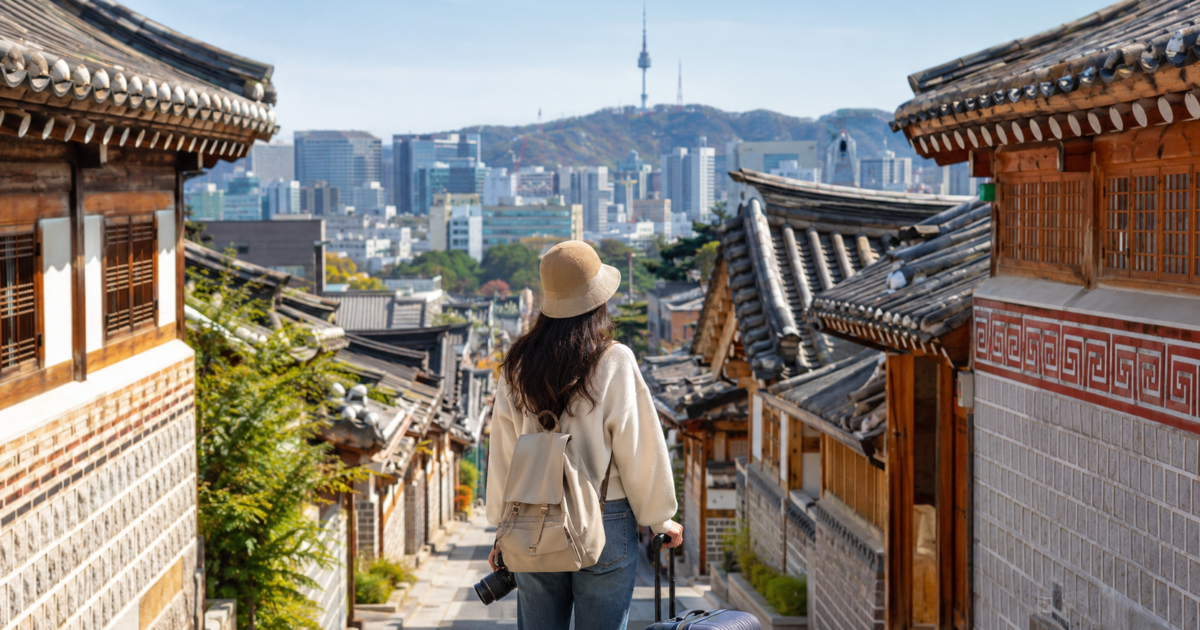
For most first-time visitors, Seoul is the easiest place to start.
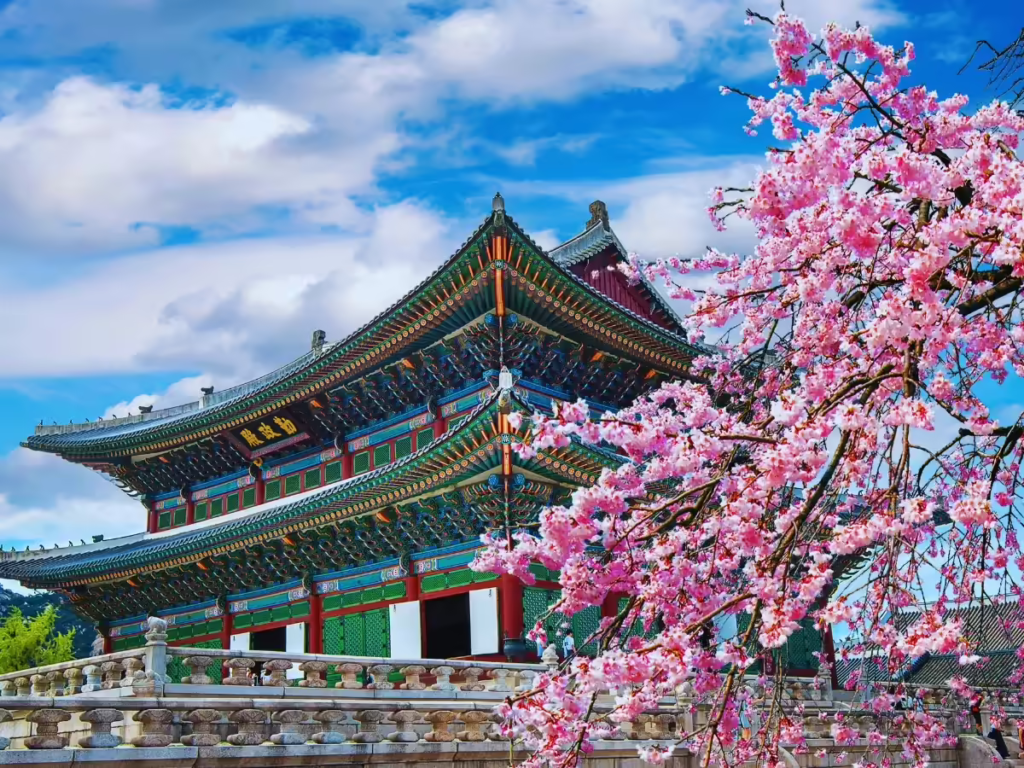
IMAGE CREDIT: The Times of India
The capital brings together historical attractions such as Gyeongbokgung Palace with neighborhoods known for shopping, cafés, food, entertainment, and contemporary Korean culture. The Korea Tourism Organization includes the city’s royal palaces, N Seoul Tower, Gwanghwamun Square, Seongsu-dong, Seoul Forest, and Hangang parks among its highlighted attractions.
Seoul makes sense if your itinerary includes K-pop, skincare shopping, café hopping, markets, palaces, museums, or simply experiencing the fast-paced city seen in countless Korean shows.
Busan, meanwhile, is worth considering if you want city conveniences without spending the entire trip surrounded by high-rises.
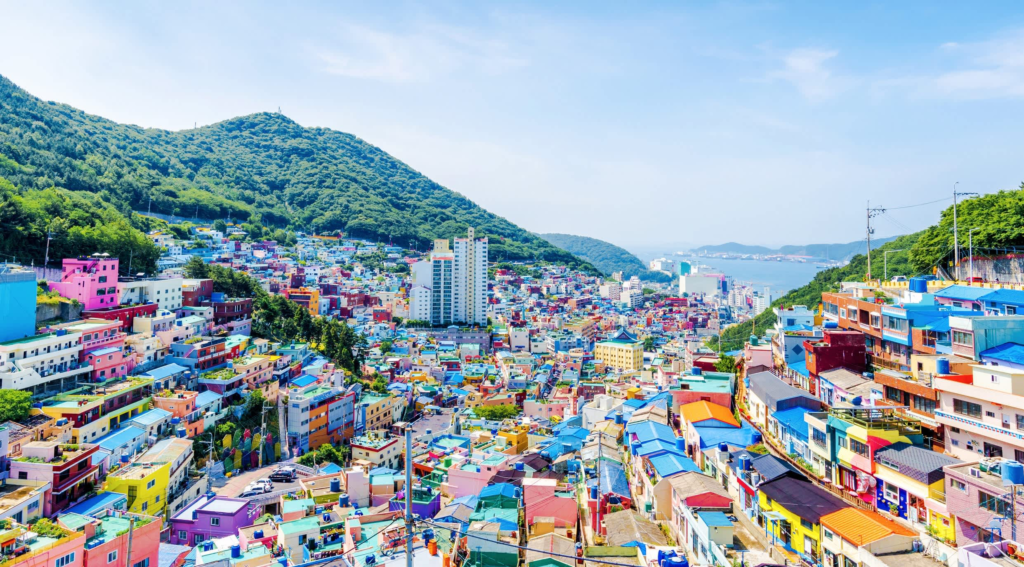
IMAGE CREDIT: Klook
Haeundae Beach is one of its best-known attractions, but the city also offers seafood markets, coastal scenery, temples, neighborhoods overlooking the sea, and a noticeably different atmosphere from Seoul. The Korea Tourism Organization describes Haeundae as Busan’s most famous beach and a major summer destination.
Then there is Jeju, the option for travelers who want more nature and breathing room.

IMAGE CREDIT: Klook
Think coastal drives, volcanic landscapes, waterfalls, trails, cafés overlooking the sea, and days structured less around shopping malls and subway stations.
Trying to fit all three into a short first trip can become expensive and exhausting. For a five-day vacation, choosing one main destination and exploring it properly can be more rewarding than spending precious hours constantly transferring between cities.
Plan your food stops as carefully as your attractions
Korean food is often one of the reasons Filipinos want to visit in the first place, but eating in Korea goes far beyond samgyeopsal and ramyeon.
In Seoul, traditional markets can be good places to sample several dishes in one trip. Busan naturally lends itself to seafood, while regional destinations introduce dishes that may be harder to find in Korean restaurants back home.
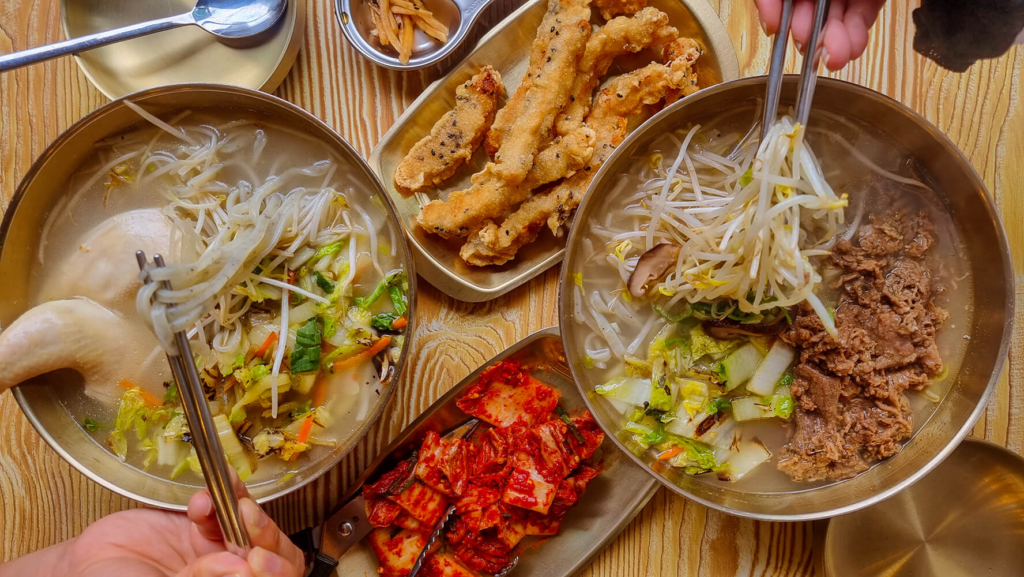
IMAGE CREDIT: Seoul Searching
Convenience stores are also part of the experience, especially for travelers trying to control spending.
A useful approach is to mix your food budget. Allow room for one or two meals you really want to experience, then balance them with market food, smaller restaurants, cafés, bakeries, and convenience-store meals.
That leaves more money for the other category many Korea-bound travelers underestimate: shopping.
Do not treat shopping money as part of your food budget
A Korea trip can become expensive quickly when skincare, clothes, albums, character merchandise, cafés, pop-up stores, and pasalubong all start competing for the same wallet.
Instead of starting with one large spending amount, divide your budget before traveling:
- flights and accommodation
- local transportation
- meals and cafés
- attraction fees
- shopping and pasalubong
- emergency money
This makes it easier to tell whether that “cheap” flight is actually affordable once hotels, transportation, baggage, and spending money are included.
Events such as Korea Travel Fiesta can be useful for comparing packages and promotions, but travelers should still check what a deal actually includes before paying. The Korea Tourism Organization Manila Office is promoting the August 22 to 23 event as an opportunity to explore Korea travel options, including participating travel-related booths and offers.
Check your visa requirements before locking everything in
For Philippine passport holders, visa preparation should be part of the planning process rather than an afterthought.
Travelers should check the latest requirements, application procedures, processing notices, and fees through the Korea Visa Application Center in Manila and the Korean Embassy in the Philippines before making non-refundable arrangements. The visa center continues to publish updated notices as procedures and fees change.

IMAGE CREDIT: Korea Visa Application Center Manila
Avoid building an itinerary around old TikTok posts, screenshots, or requirements from a friend’s previous application. Visa procedures and documentary requirements can change.
The safest approach is to work backward from your intended travel date and give yourself enough time for both the application and unexpected delays.
Your first Korea trip does not have to include everything
There is pressure to maximize an international vacation, especially when flights, visas, and accommodation require planning and money.
But seeing more places does not automatically mean having a better trip.
You could spend five days discovering Seoul’s palaces, neighborhoods, markets, cafés, and nightlife. You could build a Busan trip around beaches, seafood, and coastal views. Or you could slow things down in Jeju and make the scenery itself the itinerary.
Korea Travel Fiesta 2026 may give Filipino travelers another reason to start looking at flights and packages this August, but the better question comes before booking anything:
What kind of Korea do you actually want to experience?
Once you know the answer, choosing the season, destination, itinerary, and budget becomes much easier.