They say the best trips are often those that are unplanned — going somewhere on a whim without worrying about your itinerary, luggage, or bank account.
But in this economy, I don’t think so.
While spontaneous trips might work for high earners, they aren’t realistic for average workers who must carefully balance their budget between everyday living expenses and leisure activities.
Instead of coming home refreshed, an unplanned vacation can leave you overwhelmed by post-travel bills, particularly with surging fuel prices, elevated hotel rates, and unfavorable foreign exchange rates.

IMAGE CREDITS: Mihaela Stoicas Images
Fortunately, traveling comfortably doesn’t mean emptying your savings or maxing out your credit limit.
Here are a few travel hacks to consider so you can cheat your way into a much cheaper vacation.
Catching promos and doing the math

IMAGE CREDITS: Cebu Pacific and Philippine Airlines
When planning a trip out of town or out of the country, a significant portion of the expense travelers must account for is airfare. Before booking a flight, one of the first things you should do is keep an eye out for seat sales and discounted ticket offers.
Just as you would research before making a purchase, check the official websites and social media channels of airlines for active or upcoming promotions. Different carriers run different sales depending on the occasion or campaign. For instance, Cebu Pacific frequently offers promotional base fares as low as ₱1 to ₱8 (excluding taxes and surcharges). Meanwhile, Philippine Airlines occasionally holds three-day flash sales with steep percentage markdowns. Other airlines also launch special promotions during holidays, anniversaries, or major regional events.
After listing these available promos, compare your options instead of impulsively booking the first sale you see—the cheapest advertised base fare is not always the lowest overall price.
The final cost of a flight increases once you add baggage, seat selection, meals, and other optional services. A fare that initially appears cheap may end up costing more once everything you need is included. Always calculate the total cost before securing your ticket.
To avoid missing a deal, follow airlines’ social media pages, subscribe to their newsletters, and turn on notifications so you are first in line when a sale drops. Tools like Skyscanner can also help you compare prices across carriers and spot hidden deals in seconds.
However, remember that a promo is only a bargain if it fits your actual travel plans.
Making the most of your digital wallet
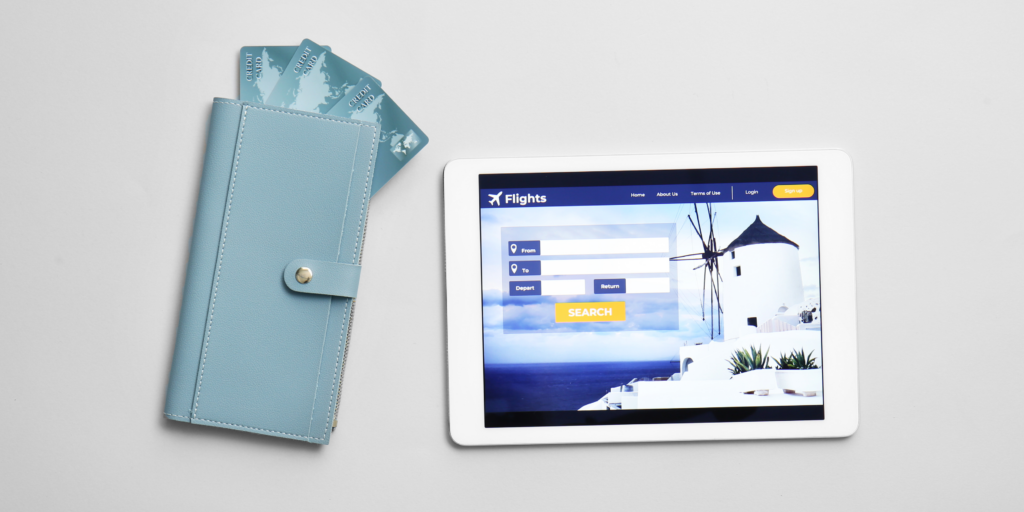
IMAGE CREDITS: Pixel Shots
Beyond making payments more convenient and secure, using a digital wallet makes for a valuable travel companion for several reasons.
Depending on the provider, digital wallets often grant access to travel discounts, cashback, vouchers, and exclusive deals. Before paying for hotels, rides, or meals during your trip, check your e-wallet app for active offers.
Additionally, most digital wallets support multiple currencies and offer lower foreign exchange fees, helping travelers minimize the silent conversion costs that erode travel funds. Electronic purses also automatically track spending in real time, eliminating the need to monitor your budget manually while on the go.
Loading money into digital wallets instead of relying solely on cash is a far better strategy — especially when visiting destinations where digital payments are already the norm.
From past purchases to travel perks
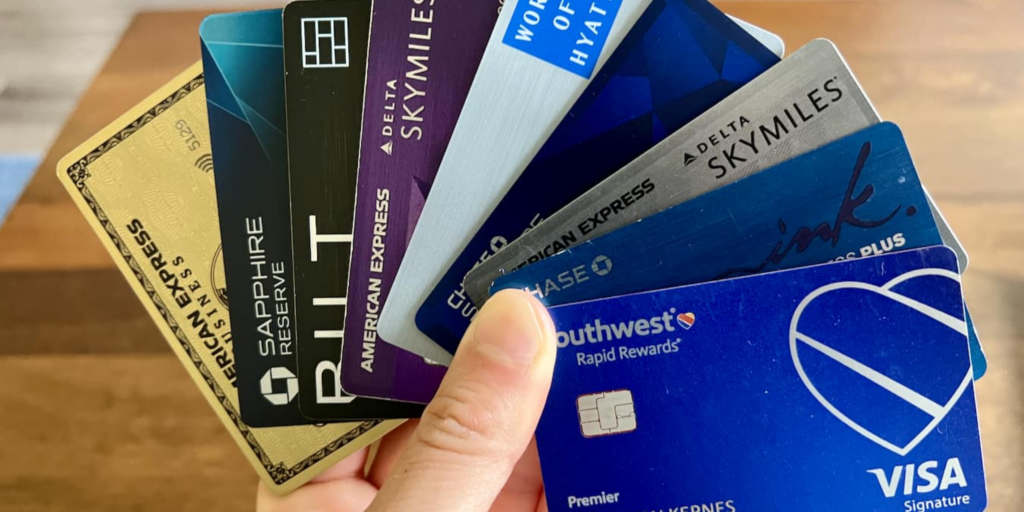
IMAGE CREDITS: Nomadic Matt
If you are a frequent flyer or regularly take vacations, failing to leverage travel credit card rewards is a missed opportunity.
These cards focus on accumulating points or miles that can be redeemed for future flights, hotel stays, car rentals, airport lounge access, and waived baggage fees. Generally, airline-specific cards award miles for every dollar spent, whereas general travel cards award points. Regardless of the type, these rewards help stretch your budget further.
To maximize value, evaluate a card’s annual fee, rewards structure, redemption options, and expiration policies — a generous rewards rate is useless if high annual fees outweigh your returns. Treat these rewards as a bonus for expenses you are already making, rather than an excuse to spend more.
Consider traveling in the shoulder season

IMAGE CREDITS: Getty Images
The simplest yet most effective advice for saving money while traveling is to go when everyone else isn’t.
What if you don’t want to miss out on the ideal weather and local events that typically happen during peak periods? The sweet spot lies in between: the shoulder season.
Peak periods such as school breaks, holidays, and long weekends attract heavy crowds, driving prices up and limiting availability. In contrast, off-season travel saves money and avoids crowds, but it can also mean bad weather, closed attractions, and reduced public transit.
Traveling during the shoulder season strikes the ideal balance. Flights, hotel accommodations, and local tours remain considerably cheaper, while smaller crowds mean shorter lines and a more relaxed pace. You may even discover unique seasonal experiences while enjoying pleasant weather.
Because shoulder seasons vary by destination, climate, and local peak attractions, be sure to research your specific target destination before booking.
A smaller bill but the same thrill
An affordable or budget-friendly vacation isn’t about skipping the fun — it’s about outsmarting extra costs.
By locking in seat sales, leveraging digital wallets and credit card rewards, and timing your trips during the shoulder season, you can enjoy your dream getaway without straining your finances.