For many Filipinos, exchanging foreign currency has become part of everyday life — whether it’s for an overseas holiday, a child’s tuition, an online business, or supporting family abroad.
Yet despite how common these transactions have become, plenty of misconceptions still persist. Some people wait until they arrive at their destination before exchanging money. Others spend days trying to predict the “perfect” exchange rate. There are even those who believe foreign exchange is something only frequent travelers need to think about.
The reality is that a few wrong assumptions can mean paying more than necessary — or missing out on better exchange rates and more convenient options.
Drawing from the questions and misconceptions most frequently encountered by its foreign exchange specialists, Cebuana Lhuillier MoneyXChange debunks five of the most common foreign exchange myths every Filipino should know:
Myth #1: “I’ll just exchange my money when I land.”
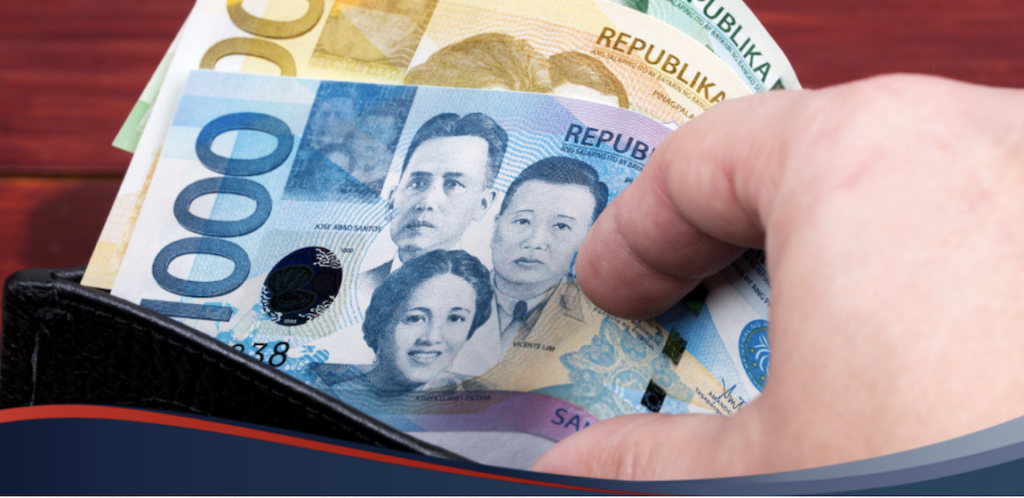
IMAGE CREDIT: Cebuana Lhuillier
It may seem like the easiest option, but convenience doesn’t always come with the best value.
Airport exchange counters and money changers in tourist districts often leave travelers with fewer choices, especially when they need local currency immediately for transportation, meals, or other essentials.
Exchanging money before leaving the Philippines gives travelers more time to compare rates and prepare ahead. Providers such as Cebuana Lhuillier MoneyXChange also offer a Click & Collect service, allowing customers to reserve foreign currency online and pick it up at a selected branch before their trip.
It’s one less thing to worry about once the plane lands.
Myth #2: Foreign exchange is only for vacations.

IMAGE CREDIT: Pexels
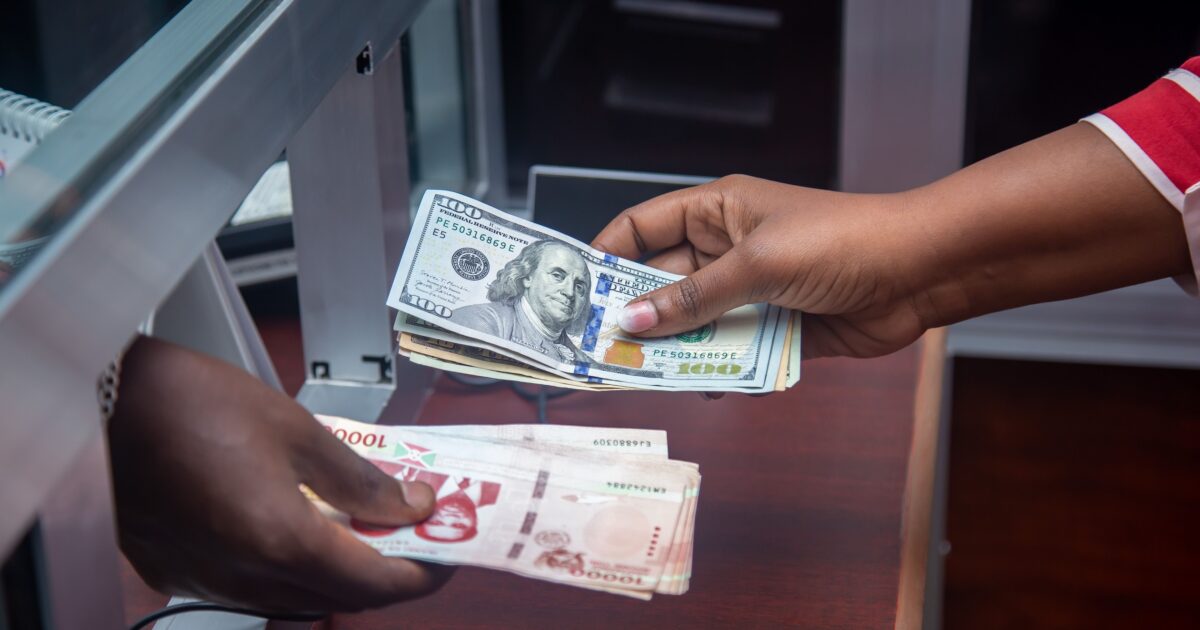
Travel may be the first thing that comes to mind, but it’s far from the only reason people exchange currencies.
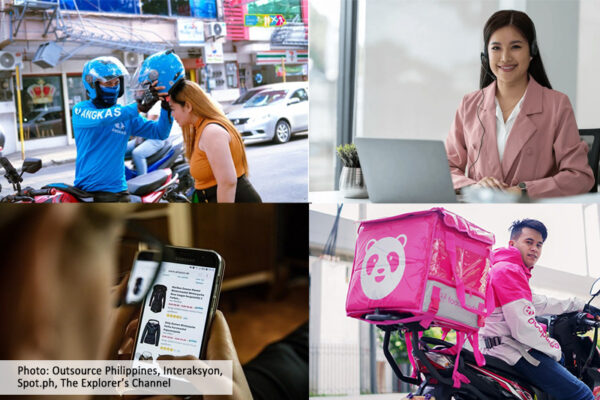
Parents paying school fees abroad, entrepreneurs sourcing products from overseas suppliers, businesses handling international transactions, and families receiving foreign currency all rely on foreign exchange as part of their daily financial activities.
As more Filipinos study, work, and do business across borders, foreign exchange has quietly become a practical financial service — not just something associated with holidays.
Myth #3: A small difference in exchange rates won’t matter.
It’s easy to overlook a slight change in the rate, especially when it amounts to just a few centavos.
But those small differences can become much more noticeable when exchanging larger amounts for tuition, business purchases, or extended travel.
A better rate won’t always make headlines, but it can leave more money in your pocket. That’s why comparing rates before making a transaction remains one of the simplest ways to stretch your budget.
Myth #4: I’ll wait until the exchange rate reaches its lowest point.

IMAGE CREDIT: Cebuana Lhuillier
Everyone wants the best deal, but waiting for the “perfect” rate can be frustrating.
Currency values move constantly, influenced by everything from economic reports to global events. Even seasoned analysts can’t consistently predict where they’ll go next.
Rather than trying to outguess the market, many people find it’s more practical to exchange money when they actually need it and choose a provider that offers transparent, competitive rates.
Sometimes the smartest financial decision isn’t about perfect timing — it’s about being prepared.
Myth #5: Money changers only carry major currencies.
The US dollar may be the most familiar foreign currency, but it’s hardly the only one Filipinos need.
With more people travelling to destinations across Asia, Europe, Australia, and the Middle East, demand for a wider range of currencies has grown steadily.
Established providers such as Cebuana Lhuillier MoneyXChange now offer multiple foreign currencies, making it easier for customers to prepare for different destinations without having to visit several exchange providers.
A little knowledge can go a long way

IMAGE CREDIT: Cebuana Lhuillier
Foreign exchange may seem like a straightforward transaction, but every exchange rate affects how much value you get from your money.
Whether you’re travelling, studying overseas, running a business, or supporting loved ones abroad, understanding how foreign exchange works can help you make more informed decisions.
As Jean Henri Lhuillier, President and CEO of Cebuana Lhuillier, points out, many people see currency exchange as a routine transaction when, in reality, it’s part of a much bigger financial picture.
The lesson is simple: don’t let common myths shape your decisions. A few minutes spent understanding how foreign exchange works could mean better value for every peso you exchange.