For many Filipino households, streaming is no longer just a weekend treat. It has become part of the monthly budget, sitting beside mobile data, food delivery, e-wallet payments, and other digital expenses.
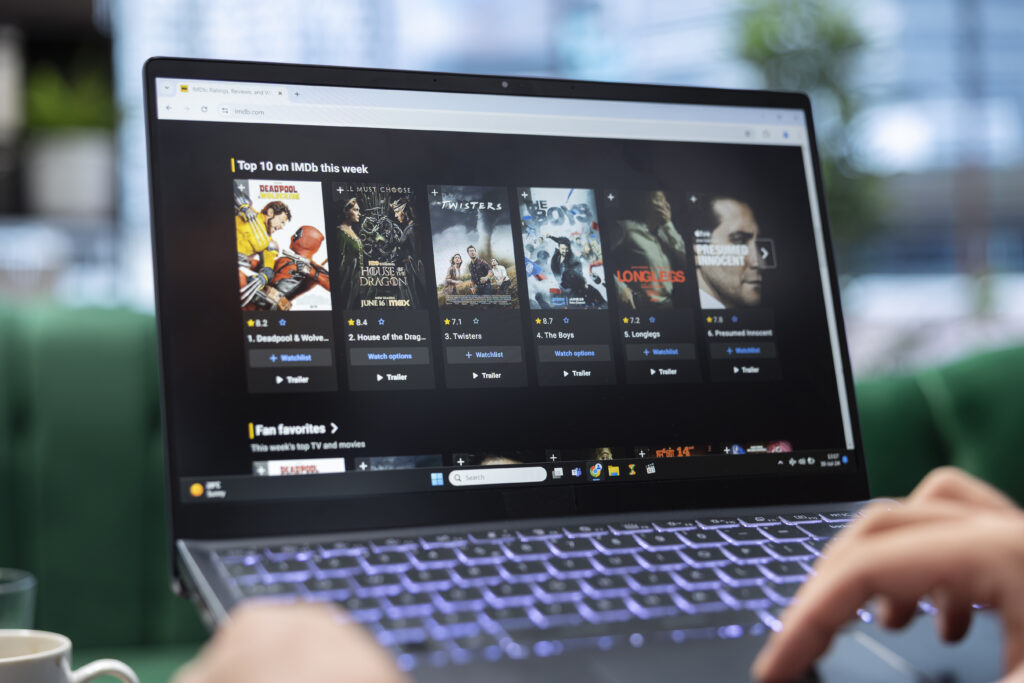
As more viewers subscribe to Netflix, Disney+, Prime Video, Viu, and other platforms focused on K-dramas or Asian content, entertainment spending is becoming a more conscious budgeting decision.
A study by Bango on US streaming subscribers found that even as household budgets tighten, many viewers continue holding on to their video subscriptions. Around one in three households surveyed said they had cut back on other expenses just to keep streaming services active.
Streaming now comes with a price tag
For many Filipinos, streaming is convenient in ways traditional entertainment often is not. Watching at home means skipping cinema tickets, transport costs, parking fees, and extra spending on food outside.
That convenience makes subscriptions feel practical, especially for families, students, couples, and young professionals looking for affordable ways to unwind at home.
Still, the monthly charges can pile up faster than expected.
One subscription rarely feels expensive on its own. But once several platforms start renewing every month through cards, e-wallets, or telco billing, the total becomes harder to ignore.
Why viewers continue paying
The Bango report said 63% of surveyed subscribers could not afford every streaming service they wanted, but many still kept two or more subscriptions. Instead of cancelling everything, viewers are becoming more selective by rotating, downgrading, or choosing bundles.
That behavior feels familiar in the Philippine setting.
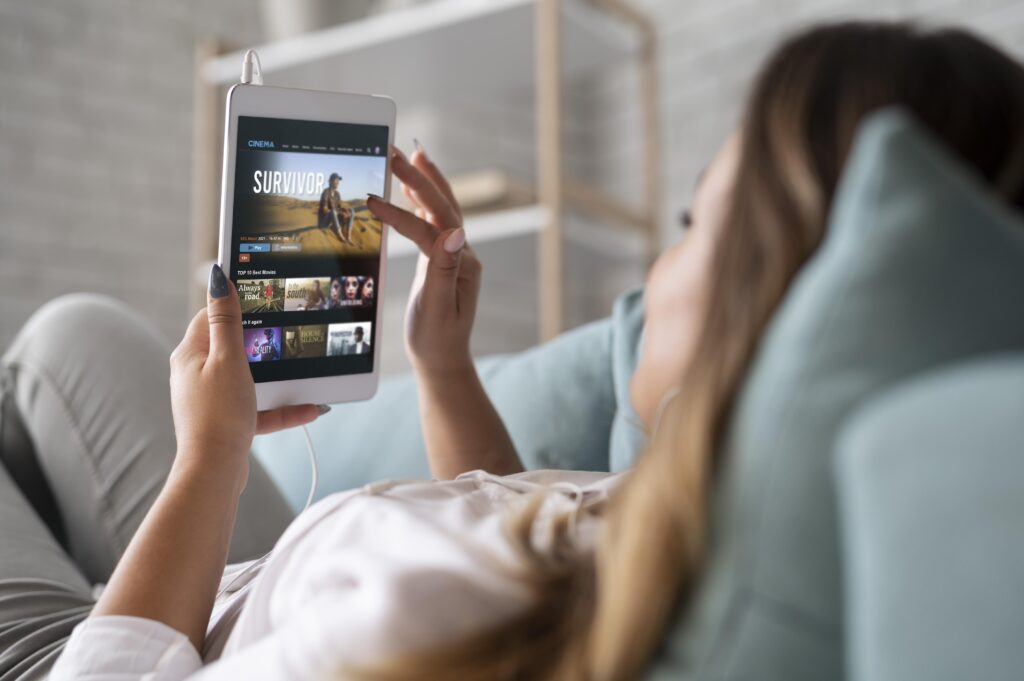
Netflix may stay because of major global releases or family viewing habits.
Disney+ attracts Marvel, Pixar, and Star Wars fans, while Prime Video appeals to users already tied to Amazon’s broader ecosystem. Platforms like Viu, iQIYI, and WeTV continue drawing viewers who regularly follow K-dramas, C-dramas, anime, and Asian variety shows.
For many Filipinos, the conversation has shifted from “Should I subscribe?” to “Which platform is worth paying for right now?”
Inflation changes entertainment habits
Entertainment spending is also being shaped by broader economic pressures.
In April 2026, the Philippine Statistics Authority (PSA) reported that headline inflation climbed to 7.2%, with transport and utilities among the biggest contributors to rising costs.
Reuters also reported that the Bangko Sentral ng Pilipinas (BSP) warned about possible spillover effects from rising oil prices, particularly as fuel costs continue affecting transportation expenses.
When food, electricity, fuel, and commuting become more expensive, households naturally start reviewing discretionary spending. Streaming falls into an interesting category: it is not essential, but many people are reluctant to give it up entirely.
Some consumers may skip dining out, reduce mall trips, or avoid expensive nights out while continuing to keep one or two streaming apps at home.
The rise of the selective subscriber
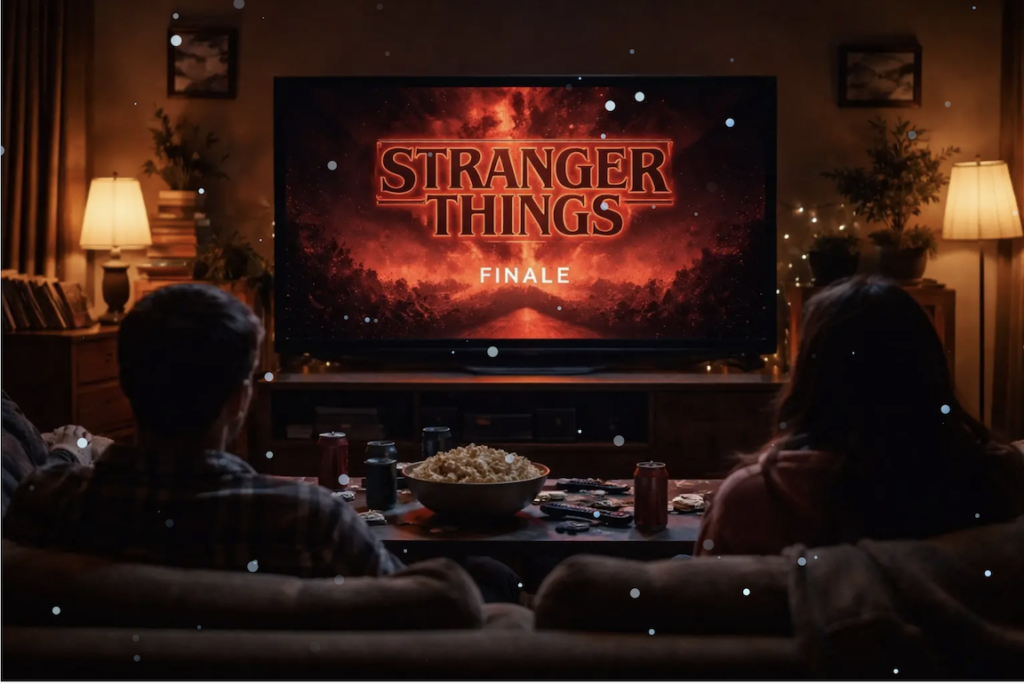
IMAGE CREDIT: Netflix
Bango described a growing type of consumer: viewers who are flexible, price-conscious, and less attached to specific platforms.
Rather than staying loyal to every service, many subscribers simply follow the content they want to watch, the best-value bundles available, or whichever platform currently fits their budget.
That approach mirrors how many Filipinos already handle digital spending.
A household may subscribe to one app for a newly released series, cancel after finishing it, then move to another platform the following month. Some students and young workers split family plans where allowed, while others wait for promos, prepaid offers, or telco partnerships before subscribing.
The goal is not always to cut entertainment spending completely. More often, it is about making sure every peso spent feels worthwhile.
Managing streaming expenses more carefully
One practical starting point is checking every active subscription tied to monthly payments. That includes streaming services, music apps, gaming memberships, and cloud storage plans.
From there, it becomes easier to identify which services are actually being used regularly. A platform left untouched for months may not be worth renewing.
Some households also set informal limits on entertainment spending, such as keeping only one or two paid video platforms active at a time.
Others rotate subscriptions depending on release schedules. Instead of maintaining several services year-round, they subscribe only when there is a series or movie they genuinely want to watch.
Bundles may also help simplify costs. Bango found that 65% of surveyed subscribers preferred managing entertainment subscriptions through bundled offers rather than paying for each service separately.
Reader takeaway
Streaming is now deeply woven into everyday Filipino life, but it is also becoming another part of household budgeting.
As fuel, food, utilities, and transport costs continue rising, entertainment spending is getting the same scrutiny once reserved for groceries and monthly bills.
For many households, the smarter approach is not cutting off streaming entirely. It is choosing platforms more carefully, rotating subscriptions when needed, and making sure entertainment stays enjoyable without quietly becoming an unchecked expense.
As more viewers pay for Netflix, Disney+, Prime Video, Viu, and other K-drama or Asian content platforms, entertainment spending is becoming a more deliberate financial choice.
A Bango study on US streaming subscribers found that even as household budgets tighten, many viewers continue to protect their video subscriptions, with around one in three households cutting other costs just to keep streaming.
Streaming is becoming a budget line
For Filipino viewers, streaming offers convenience. It removes the need to go out, pay for cinema tickets, or spend more on transport and food outside the home.
This makes subscriptions feel like a practical form of entertainment, especially for families, couples, students, and young professionals who want affordable leisure at home.
But the cost can add up.
One subscription may feel manageable. Three or four monthly charges across different platforms can quietly become a regular expense, especially when paid through cards, e-wallets, or telco billing.
Why Filipinos keep paying for streaming
The Bango report said 63% of surveyed subscribers could not afford every streaming service they wanted, but many still kept two or more subscriptions. Instead of cancelling everything, viewers are becoming more selective by rotating, downgrading, or choosing bundles.
This behavior is easy to understand in the Philippine setting.
Netflix may be kept for global hits and family viewing. Disney+ may be chosen for Marvel, Pixar, or children’s content. Prime Video may appeal to users already connected to broader digital services. Viu, iQIYI, WeTV, and similar platforms may stay popular among K-drama, C-drama, anime, and Asian variety show fans.
For many Pinoys, the question is no longer “Should I subscribe?” but “Which app is worth keeping this month?”
Fuel, inflation, and the new entertainment trade-off
Entertainment budgets are also being affected by broader price pressures.
In April 2026, the Philippine Statistics Authority (PSA) reported that headline inflation rose to 7.2%, with transport and housing, water, electricity, gas, and other fuels among the major contributors to the increase.
Reuters also reported that the Bangko Sentral ng Pilipinas (BSP) warned of possible spillover effects from sharp oil price increases, as higher fuel costs pushed transport prices upward.
When fuel, food, electricity, and commuting costs rise, households usually review flexible expenses first. Streaming sits in that middle space: not a basic need, but also not something many people want to give up completely.
This is why some Filipino consumers may cut back on eating out, cinema trips, or weekend mall spending while keeping one or two streaming apps at home.
The rise of the “savvy subscriber”
IMAGE CREDIT: Netflix
Bango described a new kind of viewer: flexible, value-driven, and selective.
These subscribers are not necessarily loyal to every platform. They follow the shows, bundles, and prices that make sense for their budget.
This fits the way many Filipinos already manage digital spending.
A household may subscribe to one platform for a new season, cancel after finishing it, then move to another service the next month. Students and young workers may share family plans where allowed. Others may wait for promos, telco bundles, or prepaid options.
The goal is not always to spend less on entertainment. Often, it is to get more value from the same entertainment budget.
Practical ways to manage streaming costs
Filipino subscribers can start by listing every active entertainment subscription. This should include streaming apps, music services, gaming subscriptions, and cloud storage if they are charged monthly.
Next, check which ones are actually used every week. A platform that has not been opened in two months may be a good candidate for cancellation or pausing.
It also helps to assign a monthly entertainment cap. For example, a household may decide that only two paid video apps can be active at the same time.
Viewers can also rotate subscriptions based on release schedules. Instead of keeping five apps all year, they can subscribe only when there is a show, movie, or series they plan to watch.
Where available, bundles may help simplify payments. Bango found that 65% of subscribers preferred managing subscriptions through bundles instead of paying for each service separately.
Reader takeaway
Streaming is now deeply woven into everyday Filipino life, but it is also becoming another part of household budgeting.
As fuel, food, utilities, and transport costs continue rising, entertainment spending is getting the same scrutiny once reserved for groceries and monthly bills.
For many households, the smarter approach is not cutting off streaming entirely. It is choosing platforms more carefully, rotating subscriptions when needed, and making sure entertainment stays enjoyable without quietly becoming an unchecked expense.