
In freelancing, one of the biggest questions every creative professionals faces isn’t how to find clients — it’s how much to charge them. Three seasoned freelancers share the lessons that helped them stop second-guessing their rates.
Ask any freelancer what they struggled with most when starting out, and chances are the answer won’t be finding work. It will be pricing it.
How much is too much? How low is too low? And how do you explain your rates without feeling like you’re apologizing for them?
There’s no single formula, but after years of freelancing, finance professional Arnel Legaspi, social media manager Kyla Dizon, and content creator Rini Mendoza say they’ve learned a few lessons that make pricing far less intimidating.
Know your number before talking to clients
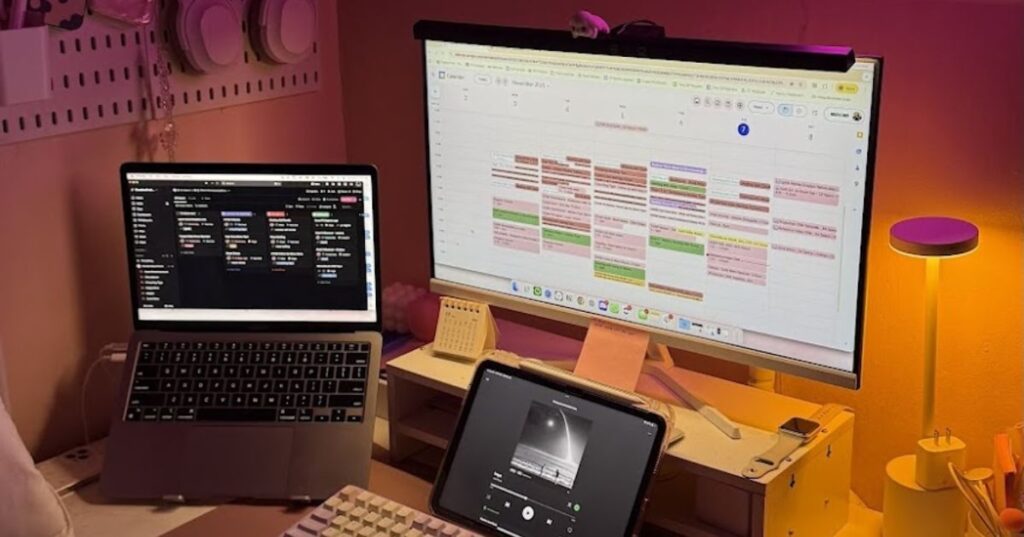
IMAGE CREDIT: GCash
Before discussing budgets with clients, Legaspi believes freelancers should first understand their own.
When he started accepting freelance work, he spent time looking through online platforms to see what editors with similar experience were charging. Rather than chasing the highest rates, he focused on identifying the minimum amount that would allow him to take on projects without shortchanging himself.
That number isn’t just about paying personal bills.
Dizon says freelancers often overlook the cost of simply doing their jobs. Internet service, electricity, editing software, cloud storage, design tools, and other subscriptions quietly chip away at every payment received.
“If your rates don’t cover those expenses, you’re paying to work,” she says.
Knowing those costs upfront gives every quotation a stronger foundation.
Clients aren’t paying for your hours
IMAGE CREDIT: GCash
Many freelancers start by charging based on time. As experience grows, however, that approach often changes.
Mendoza admits that, early on, she accepted projects simply to gain experience, even if the pay wasn’t ideal. Looking back, she says learning when to walk away became just as important as learning how to say yes.
Clients aren’t hiring someone merely to complete a task. They’re paying for expertise, reliability, creativity, or simply the time they’ll save by handing the work to someone else.
Whether you’re producing videos, managing social media accounts, writing articles, or designing graphics, the value of your work extends well beyond the hours spent in front of a laptop.
That’s something worth remembering the next time you’re tempted to lower your rate before a client even asks.
Your quoted rate isn’t always your take-home pay
Even after agreeing on a fee, freelancers still need to think about deductions.
Transfer charges, taxes, platform fees, software subscriptions, and fluctuating exchange rates can all reduce what eventually lands in your account, particularly if you’re working with overseas clients.
That’s why Legaspi, Dizon, and Mendoza also pay close attention to how they’re paid — not just how much.
Among the tools they use is the GCash Virtual US Account, which lets freelancers receive payments in US dollars and convert them into pesos when the timing works best for them. Once withdrawn, the funds can be used for everyday expenses, savings, or bills through the GCash app.
Pricing gets easier with experience
Every freelancer eventually develops a pricing strategy that works for their industry and clients.
But those who’ve been doing it for years tend to agree on one thing: confidence rarely comes from copying someone else’s rates.
It comes from knowing your costs, understanding the value of your work, and recognizing that saying no to the wrong project can sometimes be just as important as landing the next one.