
Most people know the phrase “thank you, next” from the hit song by pop star Ariana Grande — a catchy anthem about recognizing when a relationship has run its course and choosing to move forward.
While your payroll account may not be a relationship in the traditional sense, many Filipinos have developed a similar attachment to the bank account that received their very first paycheck. What began as a practical tool for receiving salaries often evolves into an all-purpose account for spending, saving, and managing everyday finances.
The problem is that familiarity doesn’t always mean it’s the best option.
Many payroll accounts offer little to no interest on idle balances, meaning money can sit untouched for months without generating meaningful returns. As digital banking and high-yield savings products become more accessible, keeping long-term savings in a payroll account may increasingly feel like staying in a comfortable relationship that no longer helps you grow.
Sometimes, moving forward financially starts with saying a polite “thank you” to an old habit — and finding a better home for your savings.

IMAGE CREDIT: Freepik
Most of us have been there. You get your first job, open a payroll account, and before you know it, that same account becomes your catch-all for everything — salary, savings, bills, and even the occasional splurge. Years later, you’re still using it simply because it’s familiar.
But just because something feels comfortable doesn’t mean it’s helping your money reach its full potential.
Today, there are more options than ever for Filipinos who want to grow their savings without adding complexity to their financial lives. If you’ve been thinking about making the switch, the transition doesn’t have to be difficult.
Start with a new home for your savings
Before payday arrives, make sure you already have a dedicated savings account ready.
Think of it as preparing for a move before packing your boxes. Setting up a high-yield savings account (HYSA) ahead of time helps remove the temptation of leaving your money where it has always been.
Through GSave on GCash, users can open accounts with trusted partner banks such as CIMB, BPI, Maybank, UNObank, and Cebuana Lhuillier Rural Bank — all without visiting a physical branch.
Make the switch part of your routine
If you use a budgeting app, spreadsheet, or spending tracker, update it before moving your funds.
Adding your new savings account may seem like a small step, but it reinforces the idea that your savings now have a clear purpose and destination.
Move your savings as soon as payday arrives
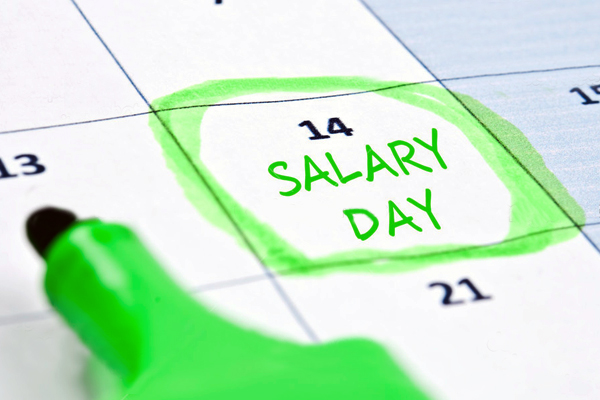
IMAGE CREDIT: cafef.vn
Once your salary is credited, transfer the amount you’ve set aside for savings immediately.
Whether you follow a budgeting rule or simply save whatever remains after paying your bills, the goal is to separate your savings from your everyday spending funds. Doing so can make it easier to stay disciplined and track your progress.
Let automation do the work
After a few successful transfers, consider automating the process.
A recurring transfer can help ensure that saving happens consistently, even during busy months when financial goals are not top of mind. It also reduces the temptation to spend money that was originally intended for savings.
A smarter relationship with your money

IMAGE CREDIT: GCash
Building better money habits doesn’t always require a dramatic overhaul. Sometimes, it starts with something as simple as moving your savings to an account designed to help them grow.
GSave, integrated directly into the GCash app, gives users access to digital savings accounts that offer interest rates of up to 4.15% per annum. Because everything can be managed through a smartphone, opening and maintaining an account is designed to be simple and accessible.
More importantly, users retain flexibility. Funds remain accessible, transfers between GCash and partner savings accounts are seamless, and there are no lock-in periods that restrict access to money when it’s needed.
Breaking away from old habits can be difficult. But when it comes to saving, convenience shouldn’t come at the expense of growth.
Sometimes the best financial decision is simply knowing when it’s time to say, “Thank you, next.”