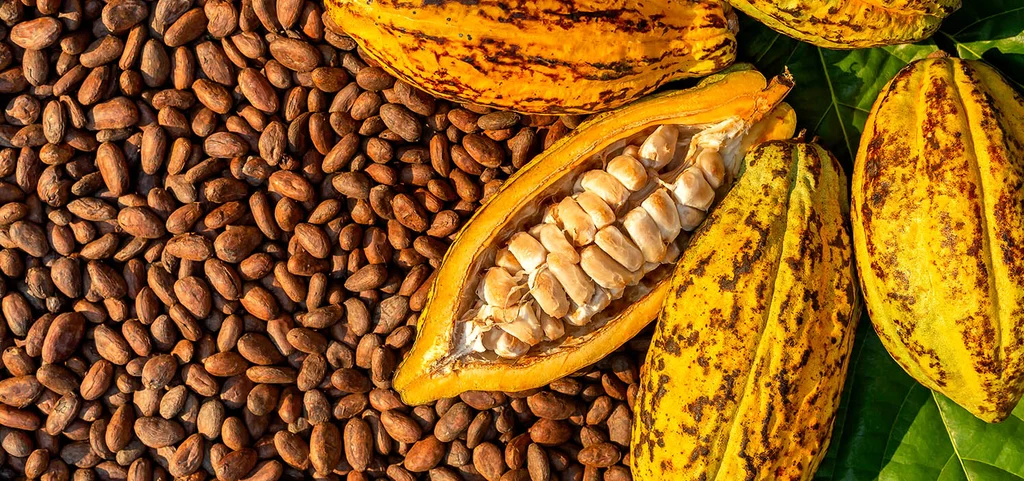
A 6,000-kilogram shipment of fermented Philippine cacao beans has opened New Zealand as a potential new destination for locally grown cacao, giving Filipino farmers and producers another opportunity to participate in the global specialty cacao market.
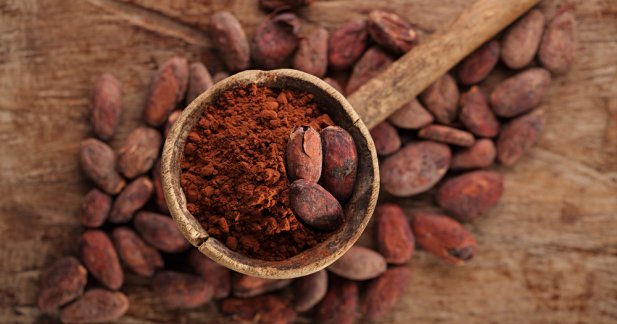
IMAGE CREDIT: Cacao In The Philippines – The Birth Of Tsokolate
The shipment highlights the growing potential of Philippine agriculture to move beyond traditional export commodities and reach international buyers looking for high-quality, value-added products.
A new market for Philippine cacao
The shipment represents a significant opportunity for the Philippine cacao industry, particularly as demand for quality cacao continues to create new possibilities for agricultural exporters.
IMAGE CREDIT: PIA – Cacao factory in Albay ramps up livelihood support to local community
Fermentation is a crucial step in cacao production because it helps develop the beans’ flavor and aroma before they are dried and processed.
For international buyers, properly fermented beans command greater interest due to their potential use in premium chocolate and specialty products.
For Philippine growers, access to markets such as New Zealand creates opportunities to increase the value of locally produced cacao.
Why New Zealand matters
New Zealand presents an attractive market for Philippine agricultural products because of its established food and specialty food industries.

IMAGE CREDIT: Zicasso
Entering a new export destination also gives Filipino cacao producers a market beyond the country’s traditional trading partners.
That diversification can be valuable for an agricultural sector where farmers and exporters are frequently affected by shifts in international demand, commodity prices, logistics, and weather conditions.
A successful foothold in New Zealand could potentially encourage further commercial relationships between Philippine producers and overseas buyers.
From local farms to global markets
The journey of cacao from a Philippine farm to an overseas buyer involves more than growing the crop.
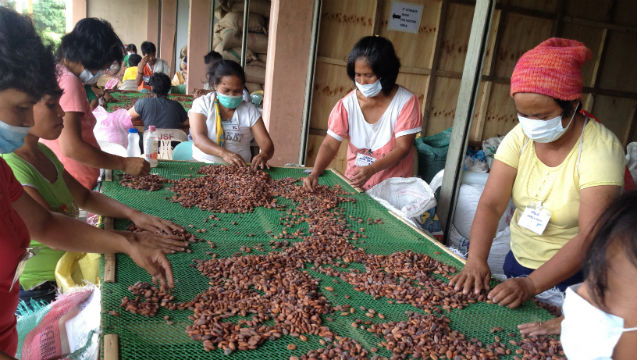
IMAGE CREDIT: Can Mindanao save the world chocolate industry?
Farmers and producers need to meet strict quality requirements, maintain consistent post-harvest practices, and navigate packaging, logistics, documentation, and international trade standards.
Fermentation is particularly important because post-harvest handling significantly influences the final quality of cacao beans.
For Philippine growers, developing these capabilities can help transform cacao from a raw agricultural product into a competitive export commodity.
An opportunity for cacao growers
The potential expansion into New Zealand puts the spotlight back on the farmers behind the beans.
IMAGE CREDIT: The Cacao Project Tackles Food Insecurity in the Philippines
The Philippines has cacao-growing communities across several regions, with Mindanao playing a central role in domestic cacao production.
For growers, stronger export demand could translate into access to higher-value markets, provided that quality standards, supply consistency, and fair market relationships are maintained.
This is where investment in farmer training, post-harvest facilities, technology, and supply chains becomes critical.
Beyond the beans
The long-term opportunity for Philippine cacao extends beyond exporting fermented beans.
A stronger cacao industry could eventually support more value-added products, including cocoa ingredients, couverture chocolate, tablea, and other locally produced chocolate products.
Moving further up the value chain allows more of the economic value created by cacao to remain within the Philippines. Instead of simply exporting raw agricultural materials, the country can develop products that carry greater processing, branding, and commercial value.
What this means for Philippine agriculture
The New Zealand shipment serves as a compelling reminder that Philippine agriculture has viable opportunities beyond its established export markets.
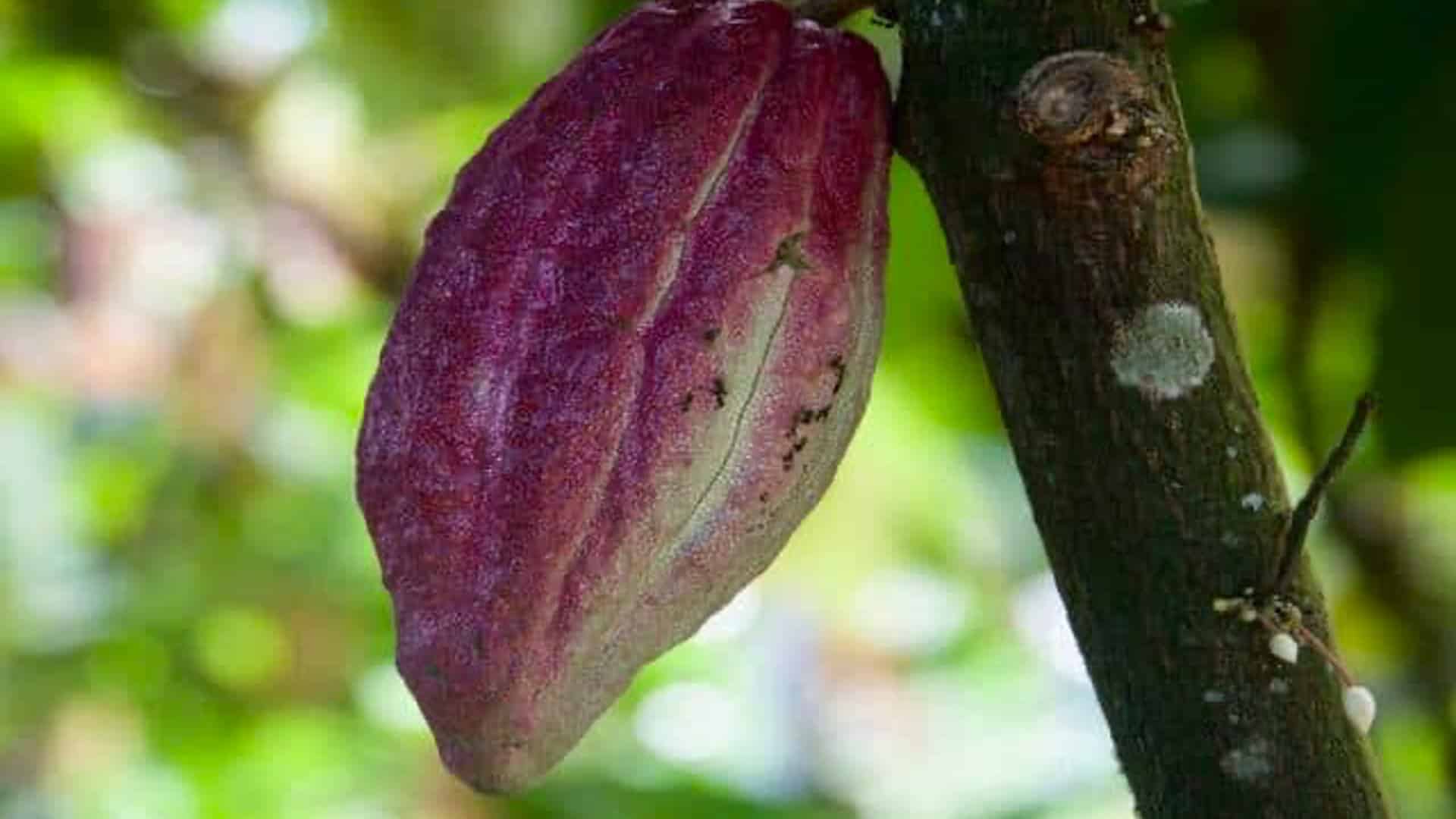
IMAGE CREDIT: PHILIPPINES – PAQUIBATO – Silva
While a single shipment does not guarantee a permanent market, it serves as an essential first step toward building commercial relationships and testing demand.
For cacao farmers and producers, the opportunity lies in turning that initialshipment into sustained market access. Doing so will require consistent quality, reliable supply, stronger farmer support, and robust partnerships across the agricultural value chain.
A small shipment with bigger potential
The 6,000-kilogram shipment of Philippine cacao beans may be measured in metric tons, but its significance extends far beyond its size. It represents another door opening for Filipino agriculture.
If Philippine cacao can establish a reliable presence in New Zealand, local growers gain access to a promising new market while the country’s broader cacao industry strengthens its position in the international specialty food sector.
For Filipino farmers, it means something as familiar as a locally grown cacao bean could find its way into products and kitchens thousands of kilometers away — and that could be just the beginning.