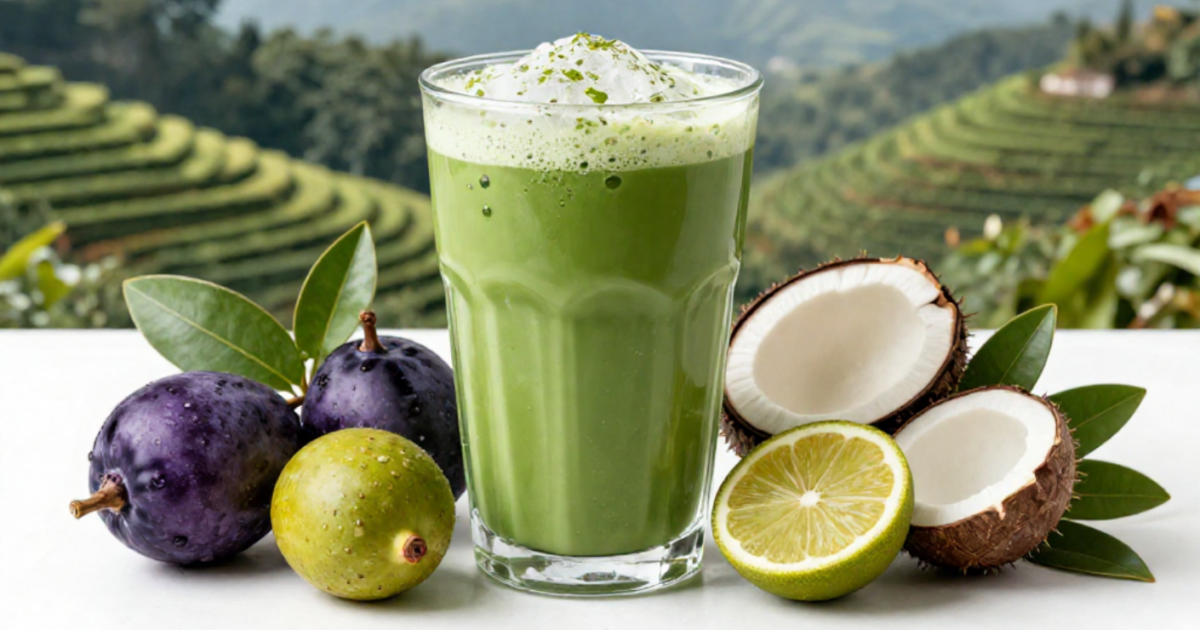
Filipino ingredients are no longer confined to home kitchens and local markets. While matcha continues to enjoy worldwide popularity as a café staple and culinary favorite, consumers are increasingly looking beyond familiar flavors in search of new and authentic ingredients.
Across restaurants, cafés, grocery shelves, and culinary festivals worldwide, flavors from the Philippines are capturing the attention of chefs, food manufacturers, and adventurous diners eager to discover something fresh, distinctive, and deeply rooted in culture.
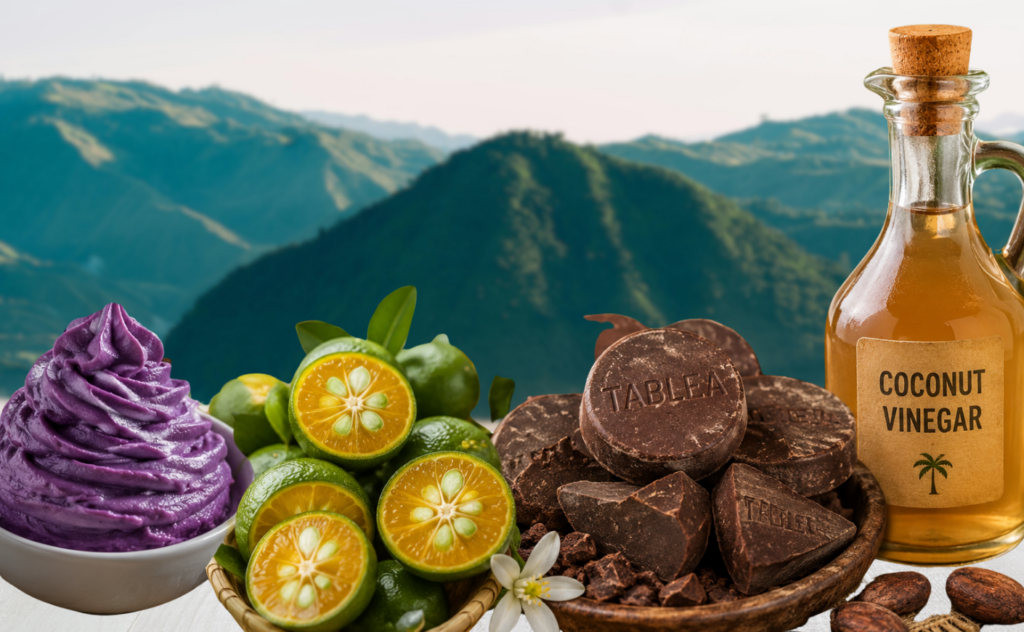
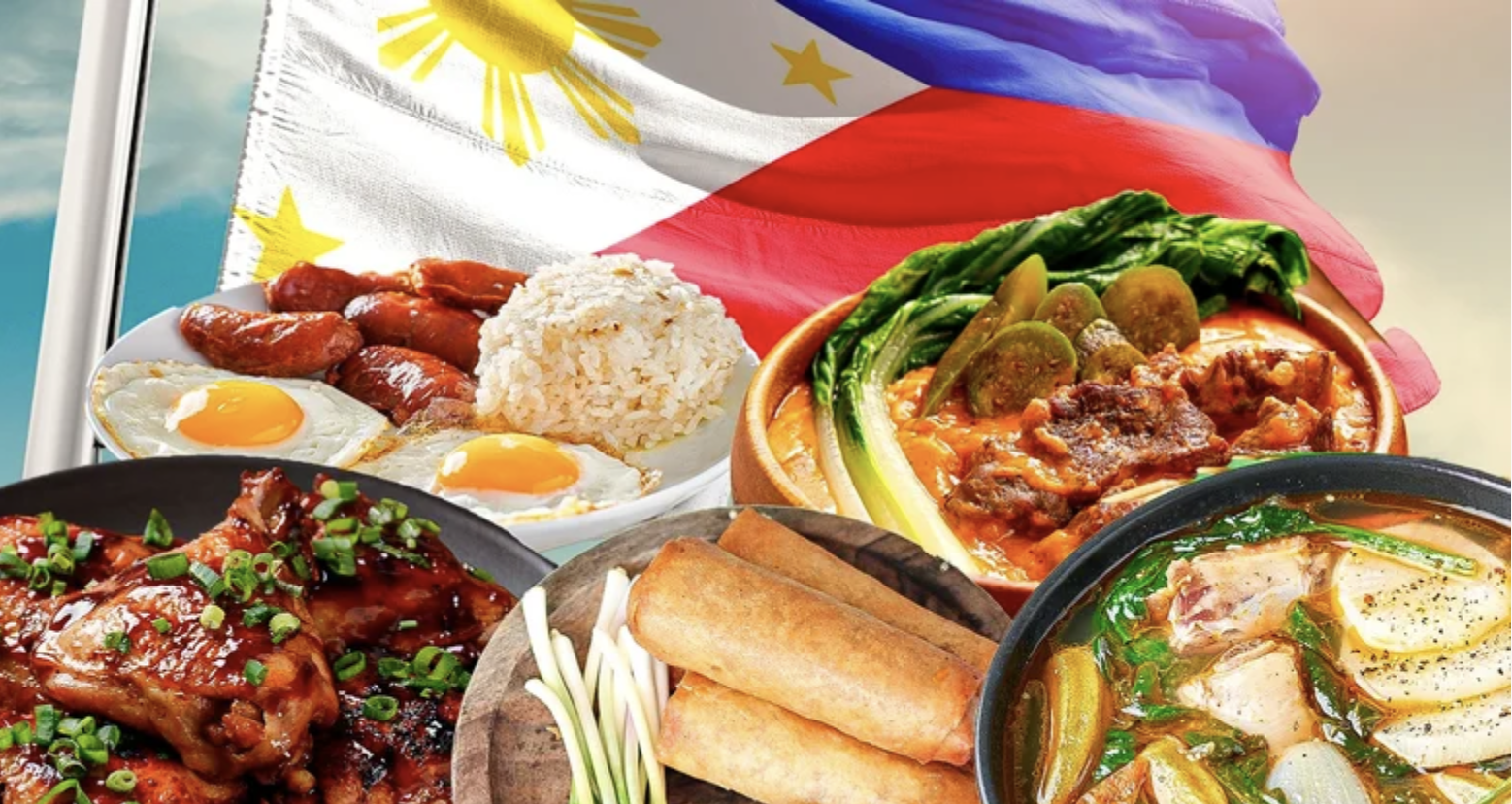
From the purple hue of ube to the bright citrus notes of calamansi, the rich depth of tablea, and the complex acidity of coconut vinegar, these homegrown staples are redefining how international audiences experience Filipino cuisine.
As global consumers seek natural ingredients with compelling stories, Filipino ingredients are proving that the country’s culinary heritage deserves a place on the world’s table.
Why Filipino ingredients are winning global attention
The growing popularity of Filipino ingredients reflects a broader shift in global dining preferences. Consumers today are increasingly drawn to authentic flavors, sustainable sourcing, and products with strong cultural roots. Rather than relying solely on familiar international staples, restaurants and food brands are embracing ingredients that tell unique stories—and the Philippines has plenty to offer.
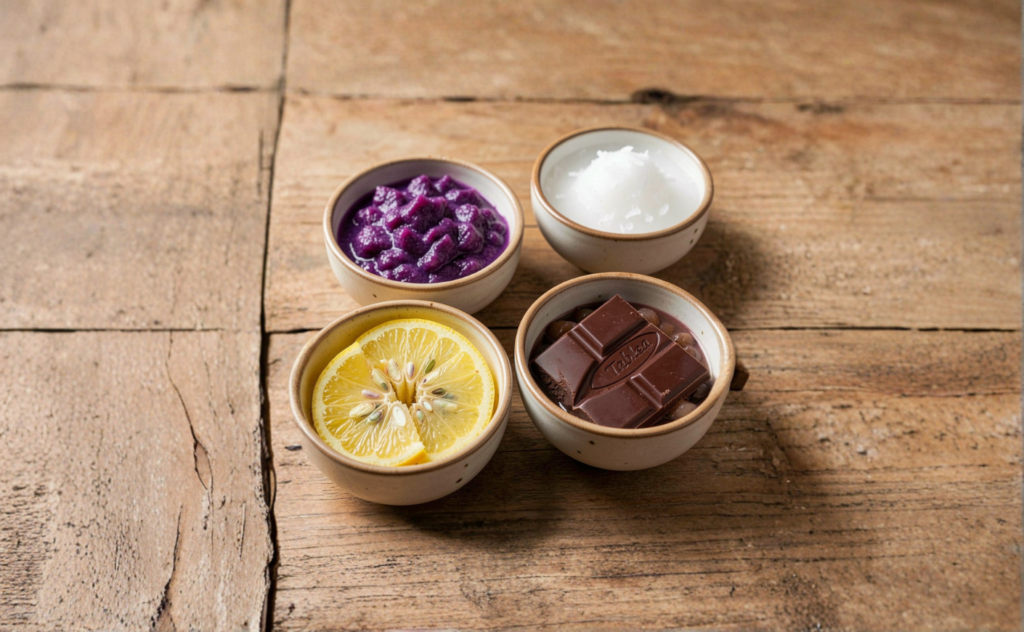
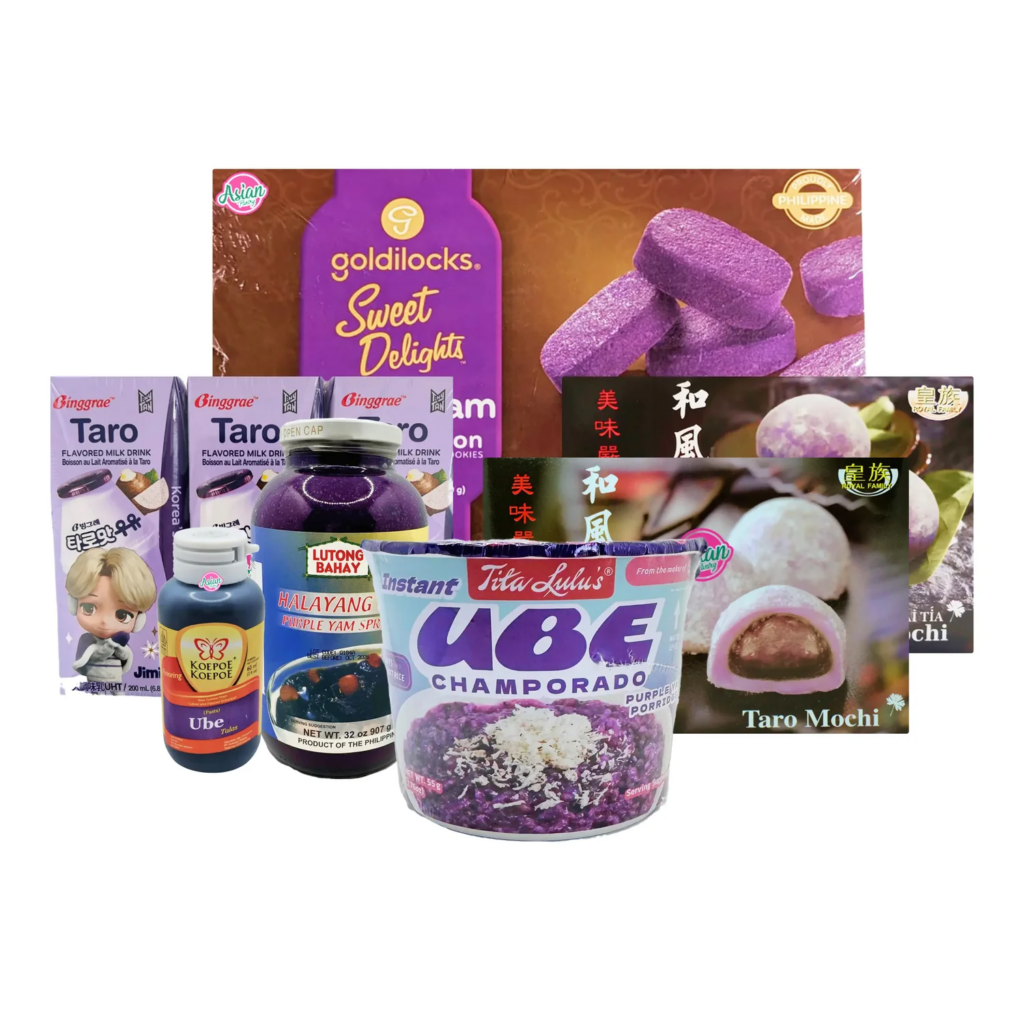
Ube has become one of the country’s biggest culinary ambassadors. Once primarily associated with traditional Filipino desserts, it now appears in ice cream, pastries, specialty coffee, bubble tea, doughnuts, and even cocktails across North America, Europe, and parts of Asia. Its naturally vibrant color and subtle sweetness make it both visually appealing and versatile in modern cuisine.
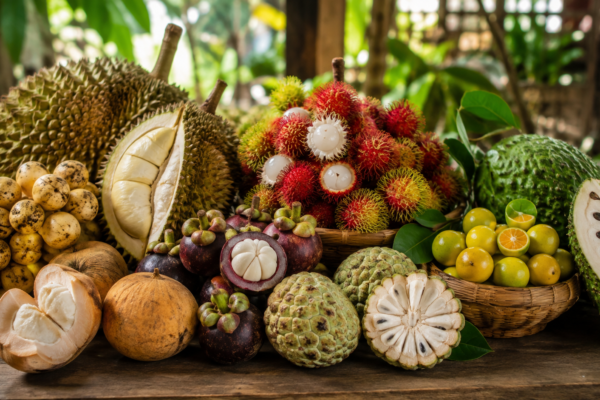
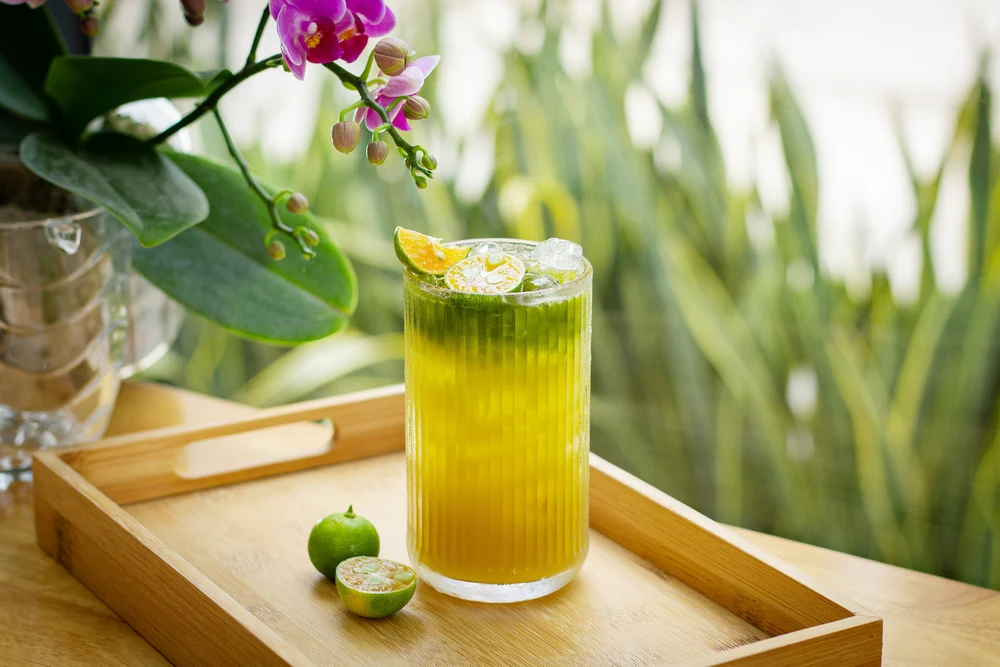
Calamansi is following a similar path. Often described as a cross between a lime and a mandarin orange in terms of flavor profile, the small citrus fruit is becoming increasingly popular in beverages, marinades, desserts, sauces, and wellness products.
Its refreshing acidity offers chefs an alternative citrus ingredient that adds brightness without overpowering other flavors.
Local staples finding new life in modern kitchens
Beyond ube and calamansi, several traditional Filipino ingredients are earning well-deserved recognition overseas. Tablea, the pure cacao tablets traditionally used in making rich Filipino hot chocolate, is attracting artisan chocolatiers and specialty cafés that value minimally processed chocolate with bold, complex flavors.

Coconut vinegar is also gaining traction among chefs promoting sustainable and naturally fermented ingredients. Its mild acidity and distinctive taste make it suitable for salad dressings, dipping sauces, marinades, and gourmet cooking. As consumers increasingly appreciate fermented foods, coconut vinegar offers both culinary versatility and cultural authenticity.
Other Filipino ingredients such as pili nuts, muscovado sugar, native cacao, banana ketchup, and heirloom rice varieties are also beginning to appear in international specialty stores. These products showcase the diversity of Philippine agriculture while introducing global audiences to flavors that have long been cherished in Filipino households.
Bringing the Philippines to the global dining table
The international rise of Filipino ingredients creates valuable opportunities for local farmers, food processors, exporters, and entrepreneurs. Greater demand encourages investment in agricultural communities while helping preserve traditional farming methods and indigenous food products that might otherwise be overlooked.
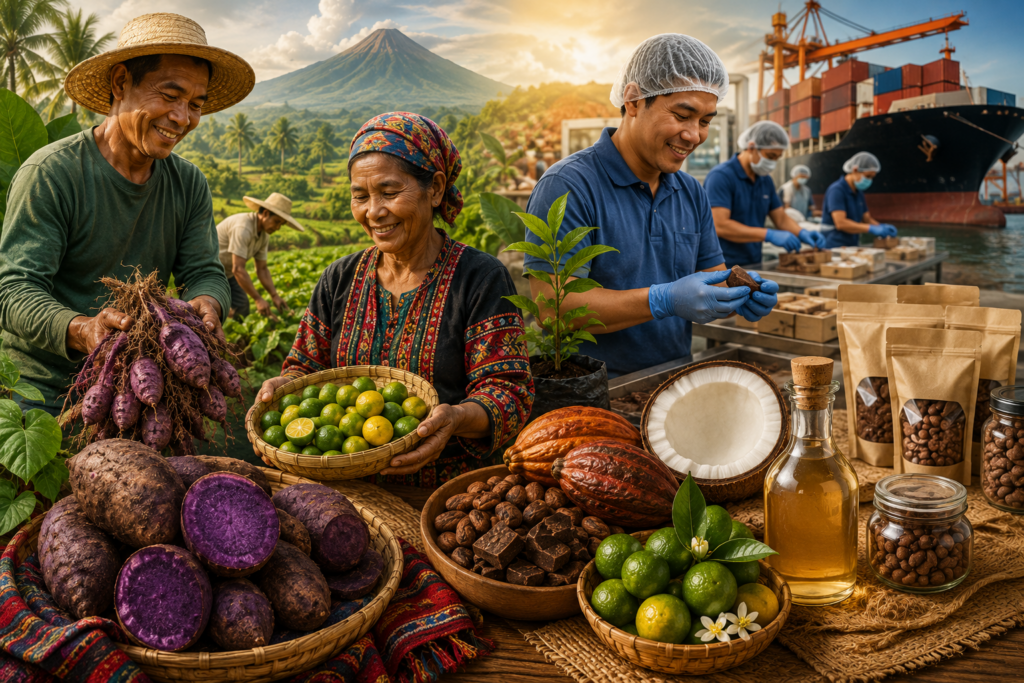
For Filipino chefs working abroad, these ingredients provide a meaningful way to celebrate their heritage while introducing authentic flavors to new audiences.
Rather than simply recreating familiar dishes, many are creatively incorporating Filipino ingredients into contemporary cuisine, making them more accessible without losing their cultural identity.
As more international consumers discover these uniquely Filipino flavors, curiosity often leads to a deeper appreciation of Philippine cuisine and culture. Every jar of calamansi concentrate, every cup of tablea chocolate, and every slice of ube cake becomes an invitation to experience the country’s rich culinary traditions.
From local harvests to global kitchens
The growing recognition of Filipino ingredients is more than just another food trend — it is a celebration of the Philippines’ agricultural richness, culinary creativity, and cultural heritage.
As ube, calamansi, tablea, coconut vinegar, and other local products continue to reach international markets, they are proving that world-class flavors can come from familiar Filipino kitchens.
With continued innovation, sustainable production, and global appreciation, Filipino ingredients are well on their way to becoming permanent fixtures in kitchens and dining tables around the world.