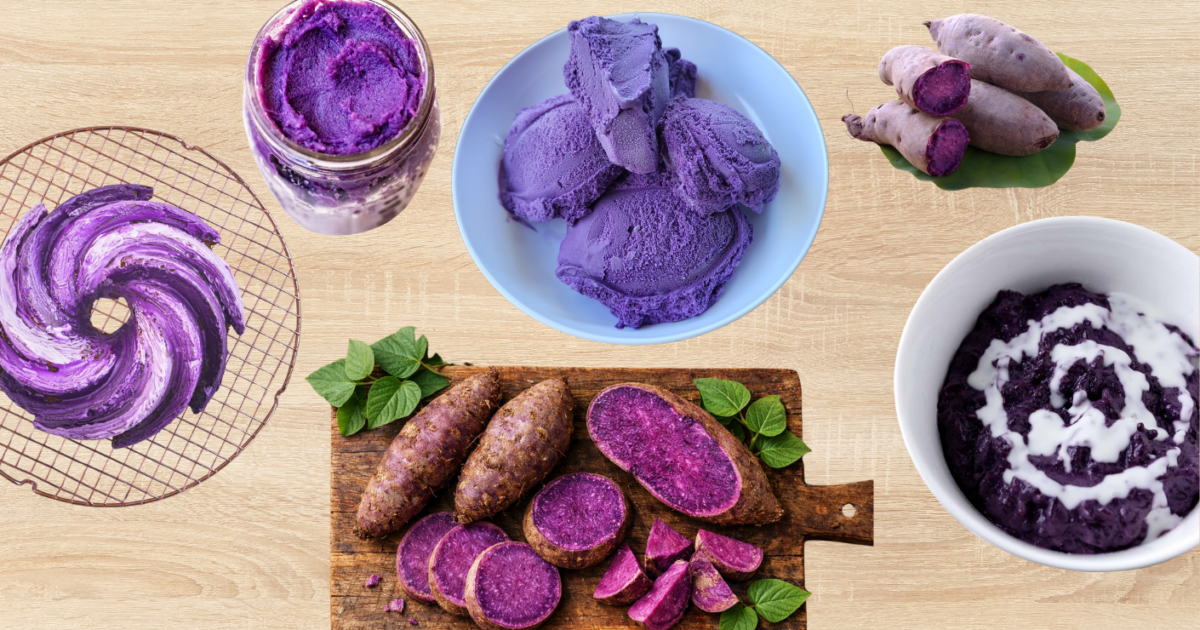
Ube is more than just a vibrant purple ingredient — it has become a symbol of Filipino creativity, heritage, and culinary pride.
With matcha continuing to dominate cafes, social media feeds, and beverage menus around the world, many Filipinos have also embraced the green tea trend. Yet amid the growing love for imported flavors, there is a homegrown treasure quietly making waves on the global stage: ube.
From desserts and pastries to beverages and specialty products, the purple yam is capturing international attention. Its naturally sweet flavor, striking color, and deep cultural roots make it uniquely Filipino.
As demand grows worldwide, the purple root crop’s increasing popularity is prompting renewed interest in the ingredient among Filipino consumers and entrepreneurs.
The rise of ube beyond Philippine shores
For generations, the locally grown crop has been a staple ingredient in Filipino households. It has colored family gatherings with beloved treats such as halaya, cakes, ice cream, and various other delicacies that evoke nostalgia and comfort.
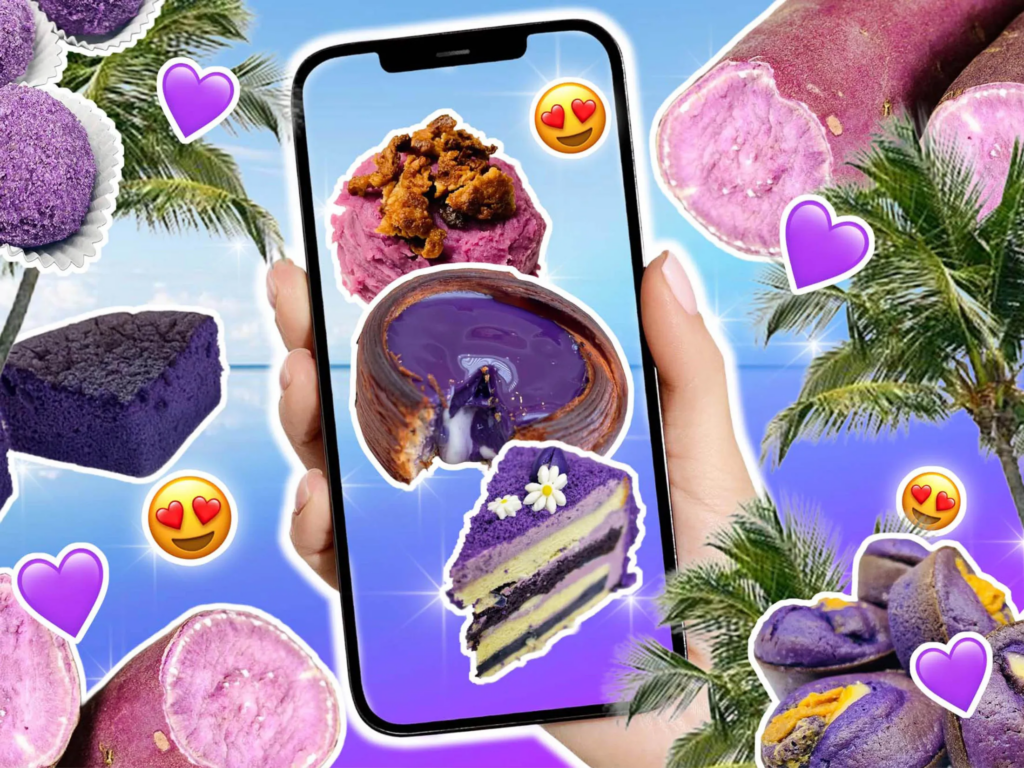
Today, the iconic purple yam is no longer confined to local kitchens. International bakeries, cafes, and food brands have embraced the ingredient, introducing it to consumers who are drawn to its vibrant appearance and distinctive taste.
Social media has further amplified its popularity, turning ube-based creations into highly shareable culinary experiences.
This growing interest has opened opportunities for Filipino farmers and producers. As global demand increases, consumers are discovering not only the flavor of this homegrown delicacy but also the culture and traditions behind it.
Matcha mania and the search for authentic flavors
There is no denying the influence of matcha.
Its earthy taste, health-focused image, and elegant presentation have helped it become a worldwide favorite. In the Philippines, matcha beverages and desserts continue to attract devoted fans, particularly among younger consumers.
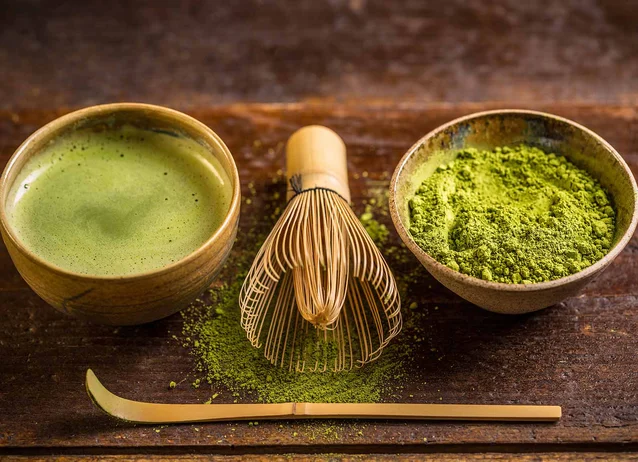
However, matcha’s popularity has also sparked discussions about the growing appreciation for local ingredients such as the purple yam. Why do we often celebrate imported flavors while overlooking our own local treasures? Ube possesses qualities that can rival any global food trend. It is versatile, visually appealing, and deeply connected to Filipino traditions.
Rather than positioning matcha and ube as competitors, many consumers are embracing both while exploring local ingredients alongside international trends. Every cup of ube latte or slice of ube cake represents an opportunity to showcase Filipino culture to a wider audience.
A purple future rooted in Filipino pride
The growing global fascination with ube presents more than an economic opportunity. It is a chance to strengthen national pride and encourage greater appreciation for local agriculture and culinary heritage.
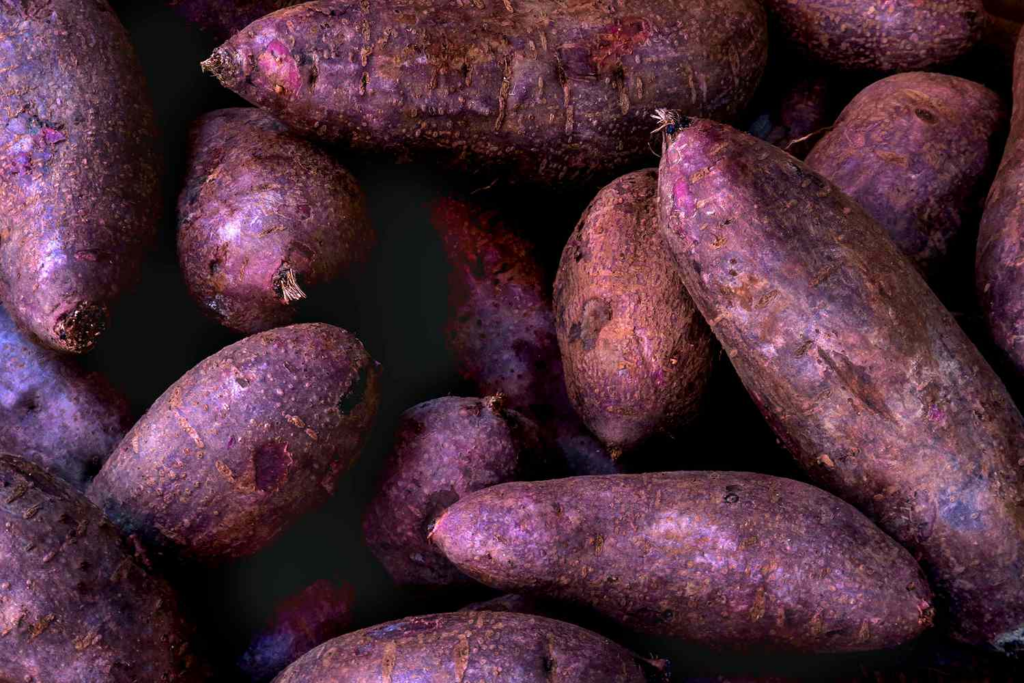
Supporting ube means supporting the farmers who cultivate it, the entrepreneurs who innovate with it, and the communities that have preserved its place in Filipino culture for generations.
As international consumers continue to embrace ube, interest in the ingredient is also growing locally.
By celebrating ube in our homes, cafes, restaurants, and everyday conversations, we help ensure that this distinctly Filipino ingredient remains a source of pride for years to come.
The purple heart of Filipino identity
Food has always been one of the most powerful expressions of culture. While trends may come and go, ingredients that carry history and identity endure. Ube is more than just a colorful yam — it is a reflection of Filipino ingenuity, resilience, and creativity.
As the world discovers the magic of ube, may Filipinos rediscover it as well. In a time when global flavors are only a click away, there is something meaningful about embracing the treasures that have always been our own.
While global interest in ube continues to grow, the distinctly Filipino ingredient is finding a place on menus and in markets far beyond the Philippines.