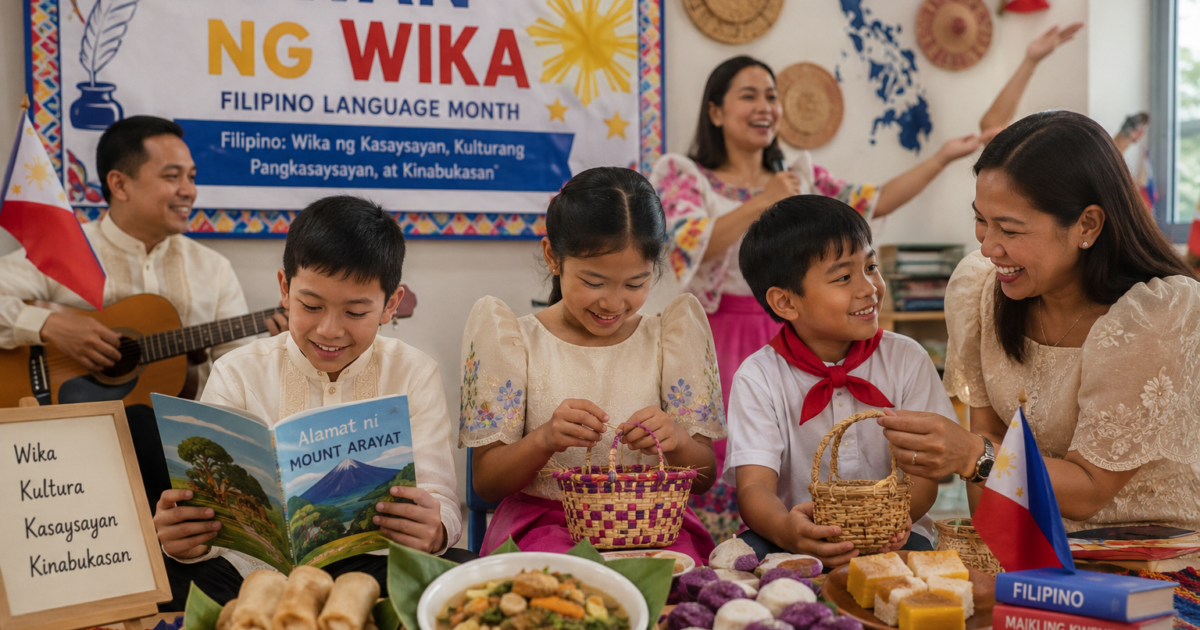
Buwan ng Wika abroad is more than a recreation of the school programs many Filipinos remember from childhood.
For overseas Filipino workers and tust celebration has become a way to keep language, food, music, and traditions present in homes that may be thousands of kilometers away from the Philippines.
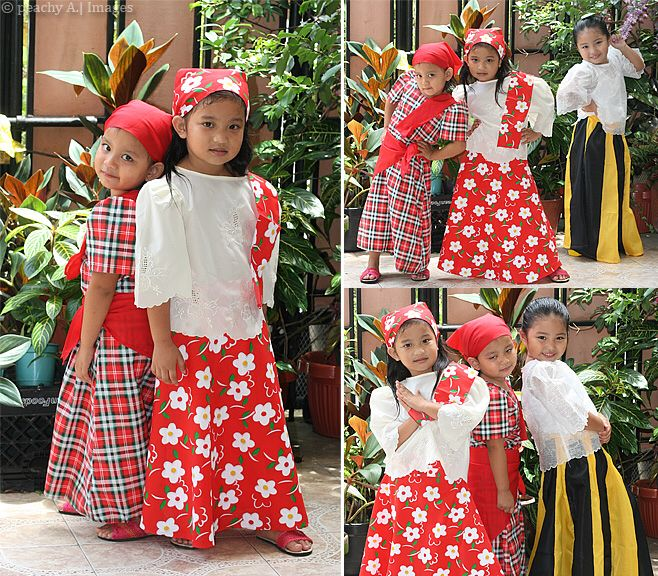
IMAGE CREDIT: Pinterest
Children may wear Filipiniana, learn folk songs, prepare Filipino dishes, or practice words they usually hear only from their parents and grandparents.
Community organizations, Philippine schools, and embassies also organize activities that give younger Filipinos opportunities to experience a culture they may know mainly through stories, video calls, and occasional trips home.
As highlighted through Buwan ng Wika content shared by the Department of Education, the celebration is ultimately about keeping Filipino identity meaningful for the next generation, wherever they may be growing up.
A classroom far from home
In South Korea, the Philippine Embassy’s annual Eskwelahan sa Embahada shows how Buwan ng Wika can become an immersive family experience.
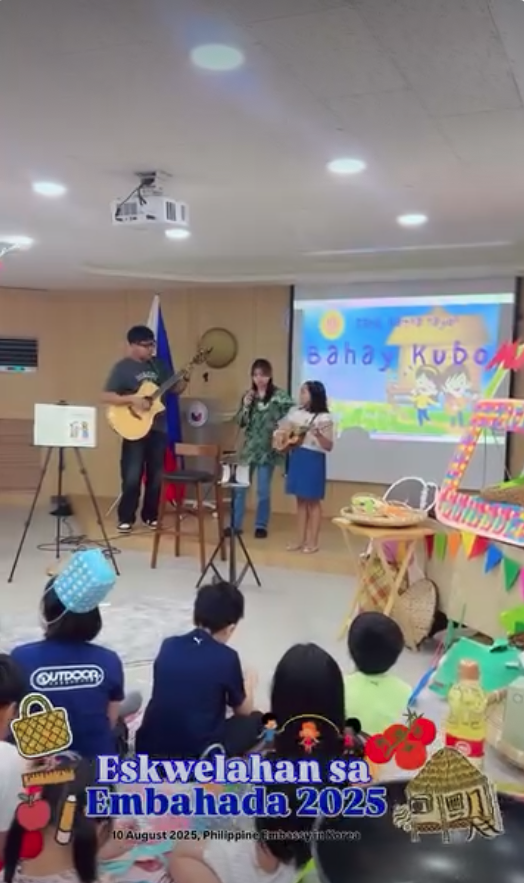
During its 2025 edition, Filipino children and children from Filipino-Korean families learned about the Philippines through storytelling, vocabulary lessons, traditional crafts, food, music, and clothing. A children’s book about Mount Arayat became the starting point for lessons involving Filipino words, landmarks, values, and agricultural traditions.
The children also made their own bayong, practiced speaking Filipino in a makeshift palengke, and joined a cooking activity featuring pinakbet.
The celebration ended with children wearing traditional attire, singing “Bahay Kubo,” and sharing a Filipino-style merienda with their families. activities worked because language was not taught as a list of words to memorize.
It was connected to recognizable places, ingredients, objects, songs, and situations. Even children who did not regularly speak Filipino could understand how the language fits into everyday life.
Language begins inside the family
Community programs can introduce Filipino culture, but language is often preserved through small habits at home.
Some parents speak Filipino during meals, use traditional terms of respect, or teach their children basic expressions before introducing longer conversations. Grandparents may tell stories through video calls, while relatives in the Philippines send children’s books, recordings, or messages written in Filipino.
This does not mean children must choose between Filipino and the language of their host country. Many overseas families instead raise children who can move between cultures.
A child may speak Korean, Japanese, English, Arabic, or another language outside the home while learning that Filipino remains part of their family’s identity.
Philippine Schools Overseas also help sustain this connection by implementing the Philippine basic education curriculum in other countries. These schools give Filipino learners abroad an environment where Philippine history, language, values, and traditions remain part of formal education.
Food becomes a lesson in memory
For many OFW families, the easiest cultural lesson begins in the kitchen.
Preparing adobo, pancit, sinigang, kakanin, or regional dishes allows parents to explain where recipes came from and why certain meals appear during birthdays, fiestas, holidays, and family gatherings. Children learn not only how food tastes, but also how it connects generations.
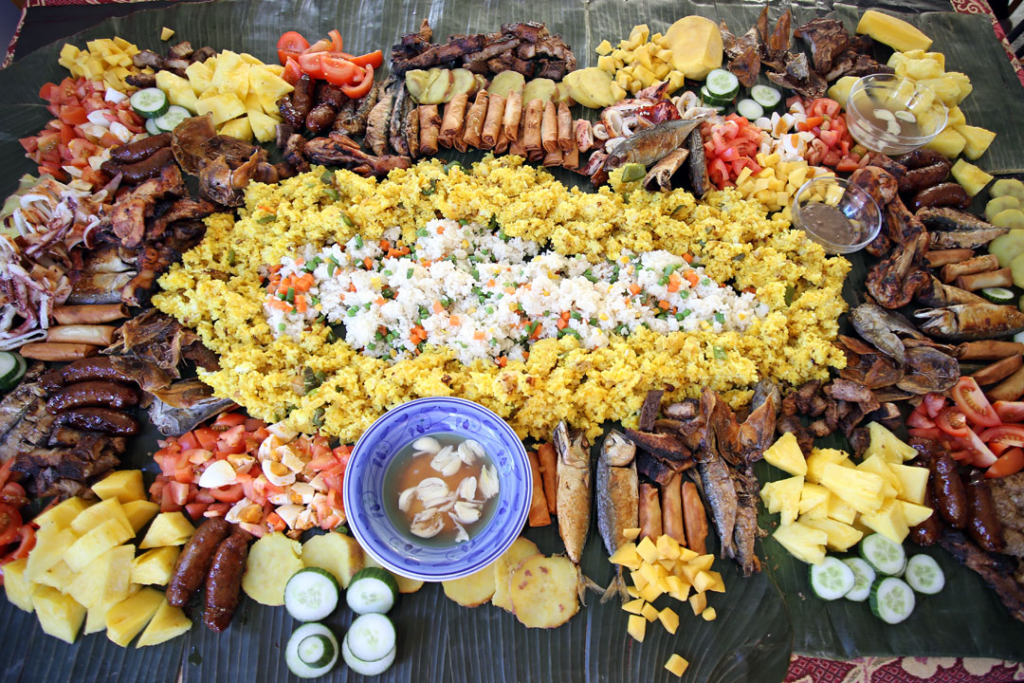
IMAGE CREDIT: Ang Sarap
A Buwan ng Wika gathering may include a potluck where every family contributes a dish. Parents can explain the difference between recipes from Ilocos, Pampanga, Bicol, Cebu, Iloilo, Mindanao, and other parts of the country. In multicultural families, Filipino dishes may also be served alongside food from the other parent’s culture.
These meals show that Filipino identity is not limited to a single language or region. It is built from many local traditions that families continue to carry with them abroad.
Songs, games, and stories bring communities together
Music and play make cultural learning less intimidating, particularly for children who are still building their Filipino vocabulary.
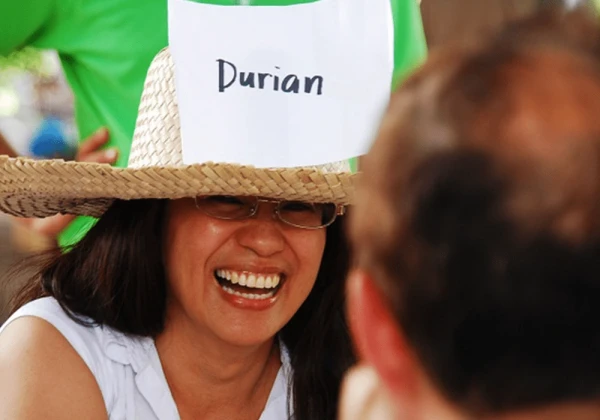
IMAGE CREDIT: LUMINA HOMES
Embassy celebrations in Tokyo have previously included the singing of “Lupang Hinirang” and “Bahay Kubo,” the dancing of “Itik-Itik,” Philippine flag activities, storytelling, and animated Filipino folktales. These familiar activities gave young children a lively introduction to language and culture rather than presenting them as formal lessons.
Filipino communities organize poetry readings, OPM performances, traditional dance presentations, parlor games, and costume activities.
Madrid’s month-long Buwan ng Wika program has also used online discussions, featured-word videos, singing competitions, virtual museum tours, and a Baybayin workshop to reach Filipinos across Spain and beyond. hnology has expanded what these celebrations can look like. Families can now join livestreamed programs, watch Filipino storytellers, learn dances through online videos, and connect with relatives in the Philippines during community events.
Traditions must grow with younger generations
Keeping traditions alive does not require overseas Filipino children to experience culture exactly as their parents did.
The more important goal is to give them room to understand, question, and reinterpret their heritage. A child may learn a folk song before discovering modern OPM. Another may become interested in Filipino food, textiles, comics, films, history, or regional languages.
Programs such as the Commission on Filipinos Overseas’ Youth Leaders in the Diaspora similarly encourage young Filipinos who were born abroad or migrated at an early age to learn more about Philippine history, culture, values, and identity. se experiences can help children see their background as something they can carry proudly, rather than something that belongs only to their parents.
A celebration that continues beyond August
Buwan ng Wika gives overseas Filipino families a reason to gather, but cultural preservation happens throughout the year.
It continues whenever parents speak Filipino at home, cook a family recipe, play an OPM song, tell a provincial folktale, teach children to greet elders respectfully, or explain why certain traditions matter.
For OFWs, these practices provide comfort and connection to home. For their children, they build a sense of identity that can exist alongside the culture of the country where they are growing up.
Distance may change how traditions are practiced, but it does not have to weaken them. In many Filipino communities abroad, Buwan ng Wika is proof that language and culture can travel, adapt, and remain alive wherever Filipino families choose to build a home.