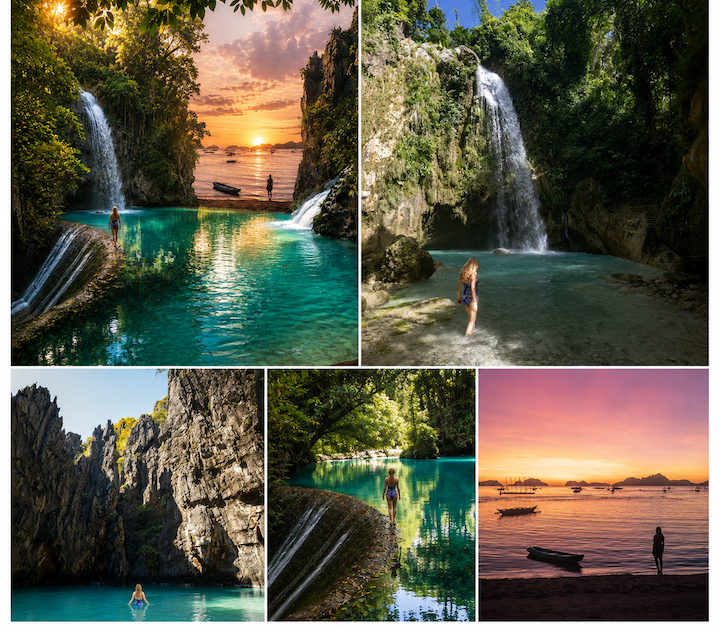
Instagrammable places in 2026 are no longer defined only by neon signs, flower walls, and carefully arranged photo corners.
Travelers still want destinations that look good on camera, but visual appeal matters more when it’s backed by thoughtful architecture, memorable food, sustainable practices, and meaningful connections to the local community.
IMAGE CREDIT: mashable.com
The desire to photograph and share a destination has not disappeared. What has changed is the standard. A beautiful backdrop may attract attention online, but it is rarely enough to convince people that a place is worth the journey.
Instagrammable is not disappearing – it‘s evolving
In an essay asking whether Instagrammable restaurants are dying, chef and restaurateur Milena Pagán argued that visually distinctive spaces remain valuable because guests continue to document and share experiences that capture their attention.
The problem isn’t aesthetics themselves. It is aesthetics without a meaningful payoff.
A café may have dramatic lighting, sculptural furniture and a carefully framed view, but visitors will quickly notice when the food is forgettable, the service is poor or the design feels copied from somewhere else.
Social media can create the first wave of curiosity, but the actual experience determines whether guests recommend the place or return.
In 2026, being Instagrammable is less about installing a designated photo wall and more about creating an environment that feels coherent from arrival to departure.
Architecture must tell a story
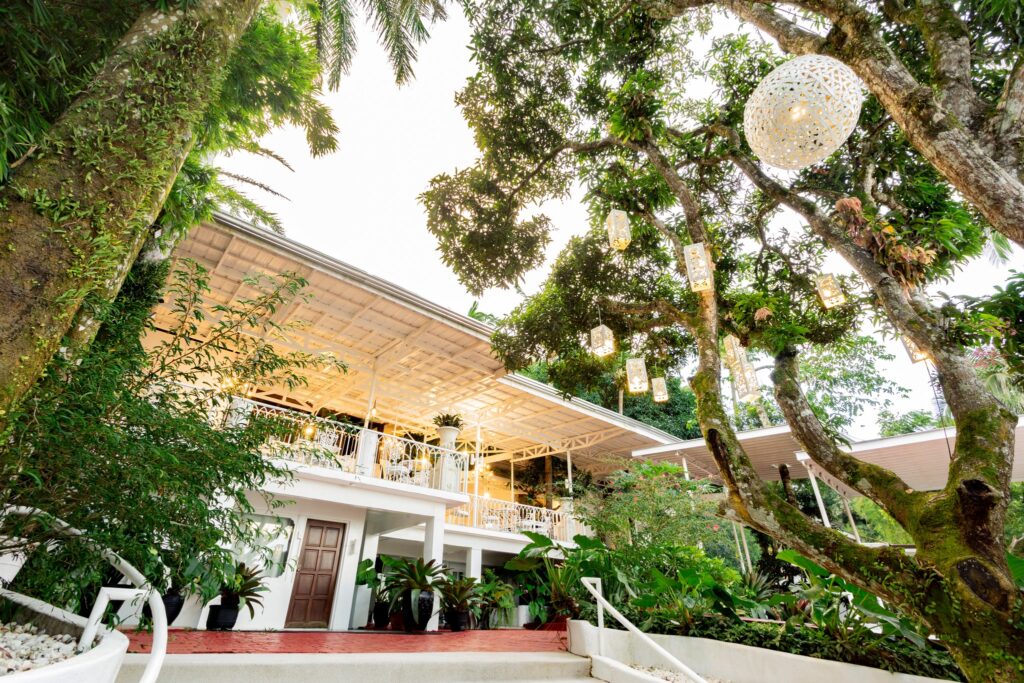
IMAGE CREDIT: Tripadvisor
Thoughtful architecture gives visitors something deeper to photograph than decoration.
A destination may become memorable because it follows the natural slope of the land, frames a mountain view or incorporates an old structure into a new purpose. Materials such as bamboo, rattan, wood, stone, and woven textiles can also connect a space with its geographic and cultural setting.
This does not mean every restaurant or resort must look traditionally Filipino. The stronger approach is to design around the identity of the site rather than applying local elements as surface decoration.
Philippine adaptive reuse projects show how architecture can preserve identity while meeting modern needs. Former ancestral homes, warehouses and institutional buildings are increasingly being converted into hotels, restaurants, museums and creative spaces.
Reusing these structures can reduce construction waste while allowing visitors to engage with local history in an active setting rather than viewing it from a distance.
Architecture becomes Instagrammable when people can understand why a place looks the way it does.
Sustainability is becoming part of the appeal
Travelers are also paying closer attention to what lies behind the photograph.
According to Booking.com’s 2025 sustainability research, 77 percent of surveyed travelers wanted authentic experiences representative of local culture, while 73 percent wanted their spending to benefit the communities they visited.
This changes how destinations communicate sustainability. A collection of plants or reusable straws is no longer enough to establish environmental responsibility. Visitors may look for stronger evidence, such as adaptive reuse, renewable energy, water conservation, waste reduction, local sourcing and construction practices that protect existing landscapes.
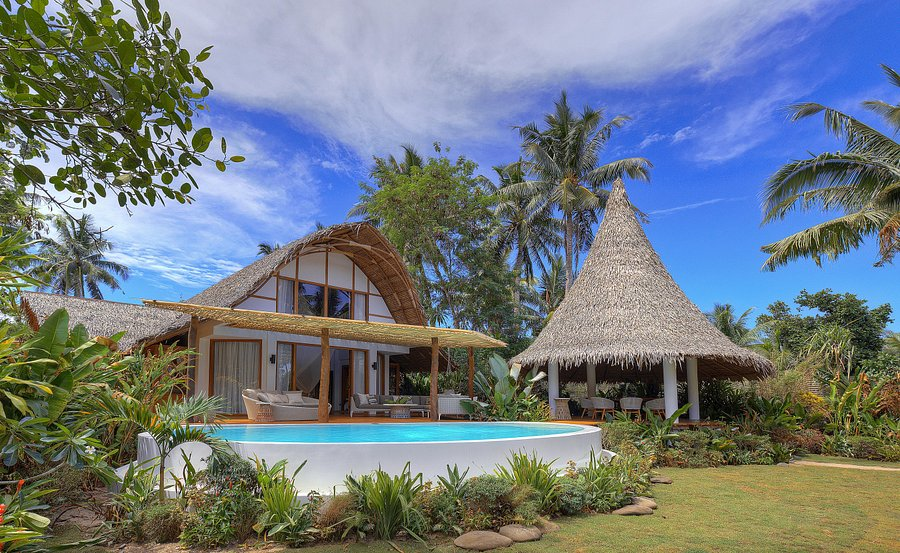
IMAGE CREDIT: Tripadvisor
Properties using regional materials and traditional building techniques can be visually striking while supporting local craftspeople. Nay Palad Hideaway in Siargao, for example, incorporates hand-weaving, wood carving and locally rooted building methods while minimizing disruption to its natural surroundings.
However, sustainability claims must be specific. Guests can distinguish between a place designed around environmental responsibility and one using greenery mainly as a marketing theme.
Food must deliver beyond the photograph
Food remains one of the most photographed parts of any trip. Colorful drinks, dramatic tableside presentations and carefully plated dishes naturally perform well in photographs and short-form videos.
But travelers are increasingly interested in the story behind what they eat. A dish becomes more memorable when it introduces an unfamiliar ingredient, reflects the region’s agricultural traditions or offers a fresh take on a local recipe.
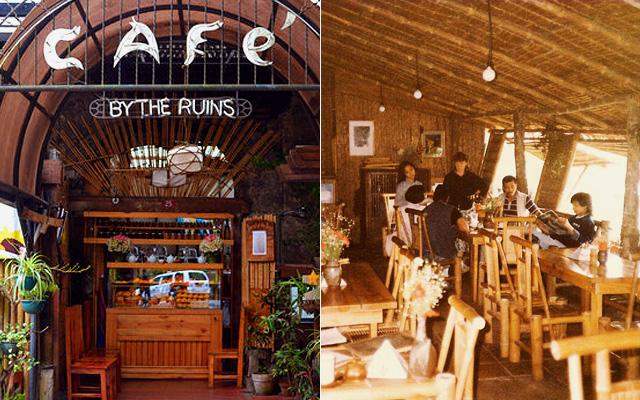
IMAGE CREDIT: Spot.ph
Café by the Ruins in Baguio demonstrates how food, design and place can work together. Its architecture uses natural materials and open spaces, while its menu highlights local and seasonal ingredients sourced from farmers and producers.
The result feels unmistakably Baguio rather than a concept that could exist in any city.
Markets, bakeries, roadside eateries and farm restaurants may therefore be just as Instagrammable as highly designed dining rooms. Their appeal comes from showing something visitors cannot easily reproduce at home.
Local participation makes a visit worth sharing
In 2026, travelers are not only searching for attractive places. They’re looking for experiences that let them participate.
The American Express 2026 Global Travel Trends Report found that 83 percent of respondents prioritized unique and authentic experiences, while 87 percent liked leaving room in their itineraries for unexpected local discoveries.
That experience might involve learning to weave, visiting a coffee farm, joining a community-led walking tour, preparing a regional dish or speaking with the person who made a product. These activities give visitors a narrative to share rather than only a location tag.
The Philippine Department of Tourism has similarly highlighted community-based tourism experiences that connect travel with farming, conservation, traditional livelihoods and local enterprises.
When residents participate directly, tourism can generate income while giving travelers a more accurate understanding of the destination. The people behind a place are increasingly part of what makes it memorable.
The most shareable places feel real
A place does not need to reject aesthetics to feel authentic. Good lighting, carefully selected materials and visually appealing food remain valuable. The difference is that each design choice should contribute to a larger experience.
The places most likely to stand out in 2026 are those that photograph well from several perspectives because there is something real behind the image. They reveal their architecture, landscape, food, people and purpose naturally instead of directing every visitor toward the same manufactured frame.
Instagrammable places aren’t disappearing. They’re simply becoming harder to fake — and that’s good news for travelers.