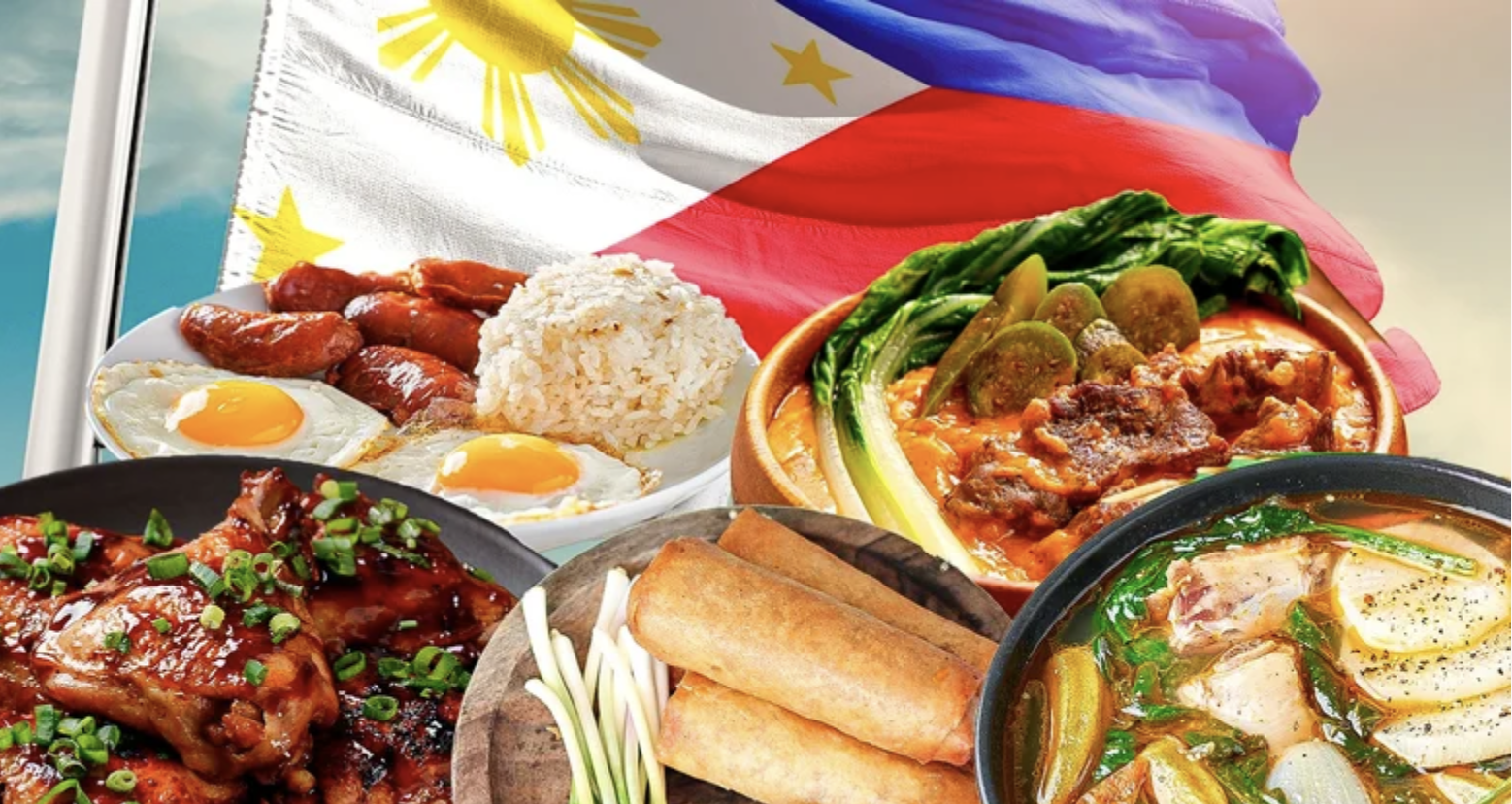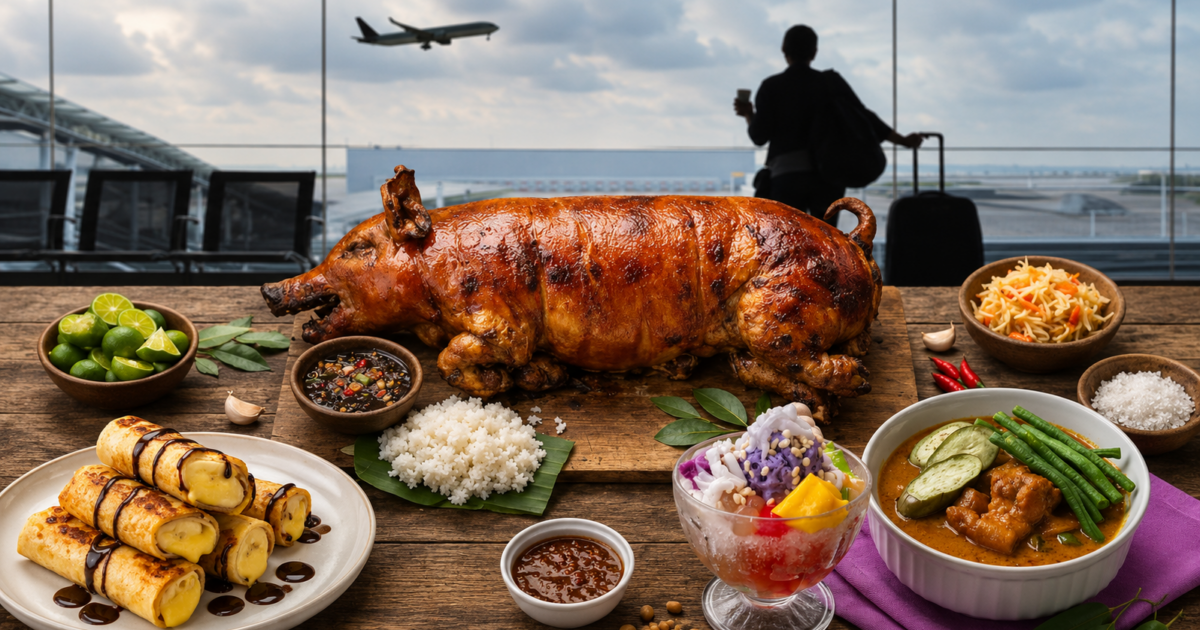
For millions of Overseas Filipino Workers (OFWs), coming home is about more than family reunions and long-awaited vacations. It’s also about rediscovering the flavors they’ve missed while living abroad.
While many countries offer their own versions of Filipino cuisine, nothing quite compares to the taste of a home-cooked meal shared around the family dining table.
From a steaming bowl of sinigang to crispy lechon served during family gatherings, Filipino comfort food carries memories that no overseas restaurant can fully replicate.
After years abroad, many returning OFWs find themselves craving the dishes they grew up eating — a reminder that food remains one of the strongest connections to home.
Whether you’re welcoming home a loved one or planning your own balikbayan food trip, here are some of the Filipino dishes OFWs miss the most—and where you can enjoy authentic versions across the country.
Sinigang: The taste of home in every spoonful
Few dishes evoke nostalgia like sinigang. Its signature sour broth, paired with tender pork, shrimp, beef, or fish, has long been a symbol of Filipino home cooking.
:max_bytes(150000):strip_icc()/simply-recipes-pork-sinigang-lead-3-3e1c7d7868fc487bab86135550d31006.jpg)
Sinigang (IMAGE CREDIT: Simply Recipes)
Many OFWs say that while they can prepare sinigang abroad using imported ingredients, the taste never feels quite the same.
Fresh local vegetables, native tamarind, and meals shared with family give every bowl a flavor that can’t easily be recreated overseas.
Where to enjoy it:
- Sentro 1771 (Metro Manila)
- Kanin Club (Metro Manila)
- Local carinderias and family-run eateries throughout the country
Bulalo: Worth every road trip
For many returning OFWs, no road trip is complete without a stop for bulalo.

Whether enjoyed in Tagaytay, Batangas, or on roadside eateries across Luzon, its rich broth, tender beef shank, vegetables, and flavorful bone marrow make it one of the country’s ultimate comfort meals.
Where to enjoy it:
- Mahogany Market eateries, Tagaytay
- Leslie’s Restaurant, Tagaytay
- Family-owned bulalo houses in Batangas
Lugaw and arroz caldo: Comfort in its simplest form
Sometimes, it’s the simplest meals that are missed the most.

Lugaw (IMAGE CREDIT: UFS)
Lugaw and arroz caldo remind many OFWs of rainy afternoons, childhood illnesses lovingly cared for by parents, or late-night snacks after long days. These humble rice porridges offer warmth and familiarity that few international dishes can match.
You’ll find excellent versions at neighborhood lugawan stalls, family restaurants, and even modern cafés serving elevated takes on these timeless classics.
Adobo: The dish that feels like home
Ask any OFW which Filipino dish they crave the most while abroad, and adobo will almost certainly make the list.
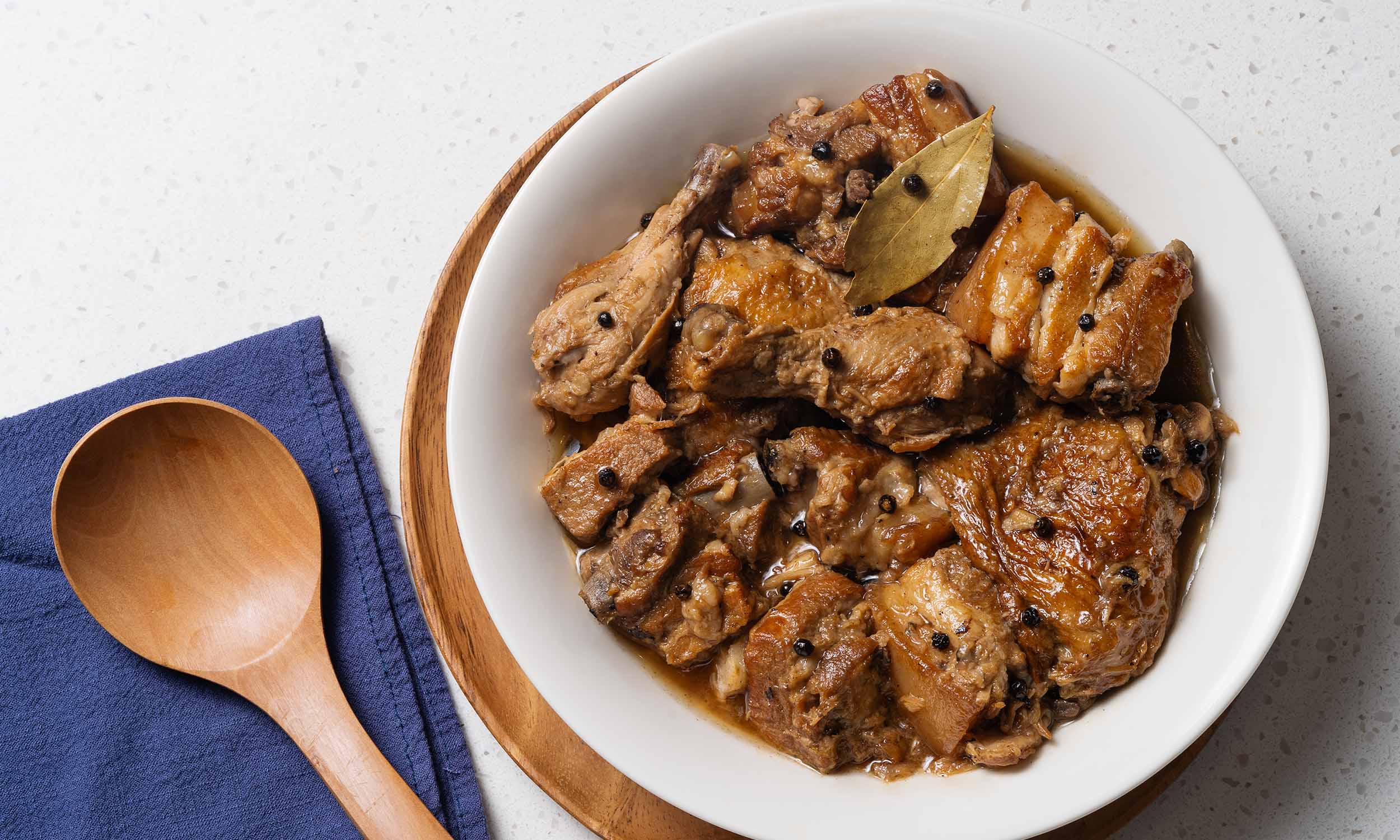
Adobo (IMAGE CREDIT: Pepper.ph)
Its savory blend of soy sauce, vinegar, garlic, and spices has become synonymous with Filipino cuisine around the world. Although many OFWs cook adobo themselves while abroad, nothing compares to enjoying a family recipe lovingly prepared by parents or grandparents.
Every household has its own version, making every homecoming meal uniquely personal.
Kare-kare: A dish saved for special occasions
Rich peanut sauce, tender oxtail, vegetables, and bagoong come together in a dish that’s difficult to replicate outside the Philippines.
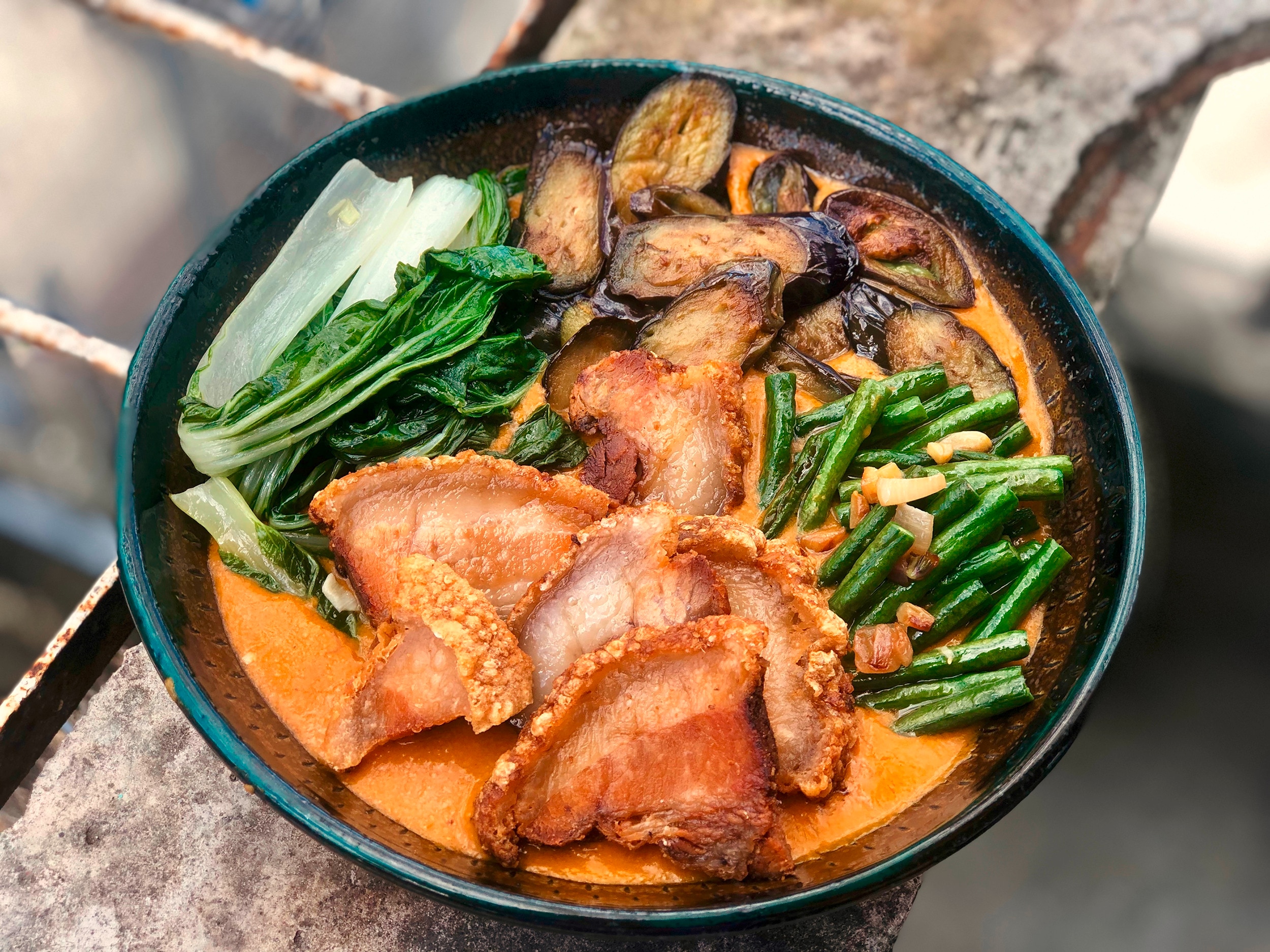
Kare-kare (IMAGE CREDIT: Knorr)
Because authentic ingredients aren’t always readily available overseas, kare-kare often becomes one of the first meals returning OFWs request upon arriving home.
Many traditional Filipino restaurants continue to serve regional variations, allowing diners to rediscover familiar flavors while sampling different local interpretations.
Lechon: The ultimate homecoming feast
Whether it’s Cebu’s famous roasted pig or lechon prepared for birthdays, fiestas, and family reunions, this iconic dish has become synonymous with celebration.
Lechon (IMAGE CREDIT: TasteAtlas)
For many balikbayans, the first family gathering isn’t complete without lechon at the center of the table. Its crispy skin and juicy meat instantly transform an ordinary meal into a memorable welcome-home feast.
Where to enjoy it:
- Rico’s Lechon
- House of Lechon (Cebu)
- Local lechon restaurants nationwide
Halo-halo and merienda favorites
Homecoming isn’t just about lunch or dinner. Returning OFWs also miss the afternoon snacks and desserts that are uniquely Filipino.
Halo-halo (IMAGE CREDIT: Better Homes & Gardens)
Halo-halo, bibingka, puto bumbong, turon, banana cue, kutsinta, and freshly baked pandesal are among the treats many balikbayans look forward to enjoying as soon as they arrive home. Affordable, familiar, and deeply nostalgic, they’re woven into countless childhood memories.
Traditional bakeries, neighborhood cafés, and local eateries continue to keep these beloved merienda staples alive for every generation.

IMAGE CREDIT: Flickr
Why food is more than just a meal
The dishes OFWs miss aren’t always the most elaborate or expensive. More often, they’re the meals that remind them of ordinary moments — Sunday lunches with family, rainy afternoons at home, neighborhood fiestas, or simple dinners after work.
Food carries memories that survive both distance and time. Every bite of Filipino comfort food reconnects returning Filipinos with the people, places, and traditions they temporarily left behind in pursuit of better opportunities.
A homecoming best celebrated around the dining table
For every OFW returning to the Philippines, homecoming begins long before the suitcases are unpacked. It starts with familiar aromas drifting from the kitchen, shared meals around the family table, and the comforting taste of the Filipino dishes that have always defined home.
Whether it’s sinigang simmering on the stove, freshly cooked adobo, a hearty serving of bulalo, or a bowl of halo-halo shared on a warm afternoon, Filipino comfort food continues to welcome balikbayans in the most meaningful way possible.
Because sometimes, the best way to say “welcome home” isn’t through words — it’s through a meal lovingly prepared and shared with the people you’ve missed the most.