Hidden cafés in the Philippines are giving historic neighborhoods new life by transforming former banks, department stores and ancestral houses into places for coffee, food, art and community gatherings.
Heritage tourism in the Philippines often brings Intramuros to mind, but some of the country’s most interesting preservation efforts are happening along quieter streets in Escolta, Binondo, Taal, Iloilo and other historic communities.
Inside former banks, department stores and ancestral homes, cafés and creative businesses are giving visitors new reasons to enter buildings they might otherwise admire only from the outside. These spaces show how a cup of coffee, a meal or a small art exhibition can help historic districts become part of everyday life again.
A cup of coffee can make an old building useful again
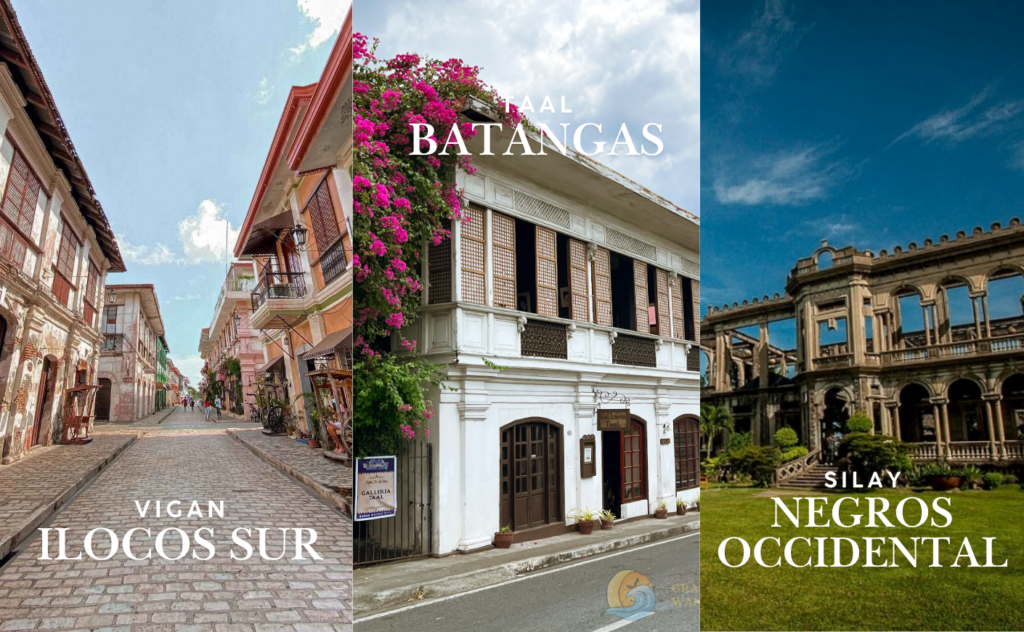
The approach is known as adaptive reuse. Under the Philippine Cultural Heritage Act, it means giving a culturally valuable building or site a new purpose while conserving its structural integrity and the authenticity of its design.
Cafés are particularly suited to this kind of reuse. They can occupy relatively small spaces, work around existing architectural details and attract repeat customers instead of relying entirely on occasional heritage tours.
A restored ancestral house may be visited once as a museum. Add a café, restaurant, gallery or locally owned shop, and the same building can become a regular meeting place for residents, students, artists and travelers.
Escolta shows how creative businesses can revive a street
One of the clearest examples can be found inside the First United Building on Escolta Street. Completed in 1928 and designed by Andrés Luna de San Pedro, the Art Deco landmark once housed Berg’s Department Store when Escolta was one of Manila’s leading commercial districts.
Today, its ground floor is home to a mix of enterprises that includes The Den, a heritage café serving Philippine single-origin coffee, and HUB: Make Lab, a creative space that has hosted independent shops, exhibitions, workshops and community events. The building also contains a museum presenting Escolta’s commercial and architectural history.
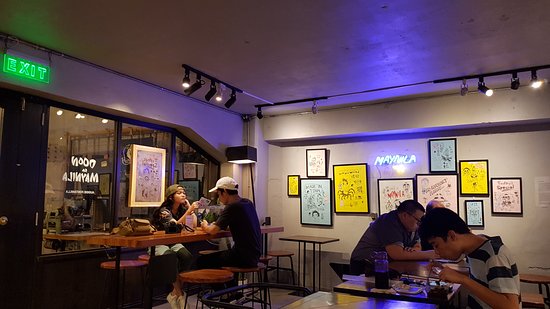
The attraction is not only the coffee or the preserved interiors. Visitors entering The Den may also discover local art, small Filipino brands and the stories behind the building itself. This creates foot traffic that can benefit several tenants rather than a single establishment.
The First United Building’s restoration and adaptive reuse received the Malasakit Gran Prix at the 2024 Good Design Award Philippines. The project was recognized as an example of how restoring one historic property can contribute to wider urban regeneration.
Binondo turns a former bank into a place to linger
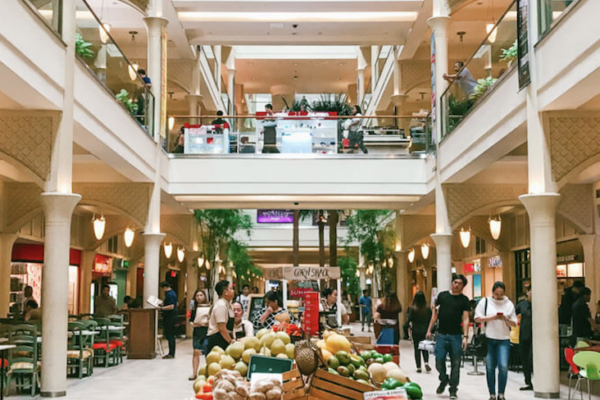
Nearby in Binondo, Grand Café 1919 occupies a former Hongkong and Shanghai Banking Corporation building along Juan Luna Street. The structure dates to the early 1920s and retains prominent features of its original Neoclassical design, including its façade and columns.
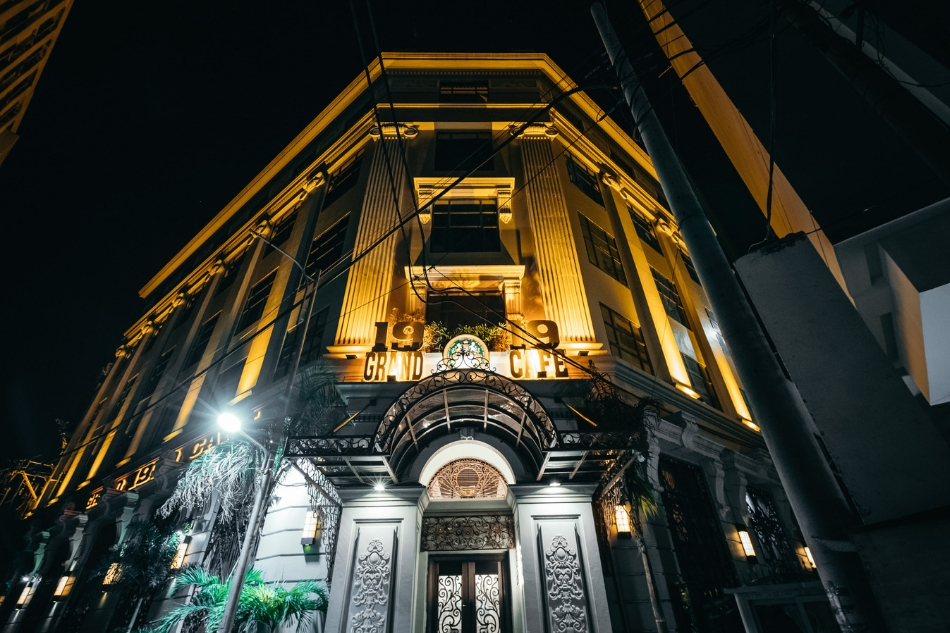
Its transformation matters because historic districts need more than landmarks that people photograph before leaving. Restaurants and cafés encourage visitors to stay longer, walk through nearby streets and include older commercial areas in their regular dining plans.
This extended activity can support surrounding bakeries, shops, galleries and traditional businesses. The café becomes an entry point into Binondo’s wider history rather than an isolated attraction.
However, successful adaptive reuse should not reduce an old structure to a decorative backdrop. Menus, signs, exhibitions and staff-led storytelling can help customers understand what the building was, who used it and why it matters to the neighborhood.
Taal and Molo prove revival is not only a Manila story
In Taal, Batangas, ancestral homes have gradually taken on new roles as museums, restaurants, cafés and accommodations. Establishments such as Tampuhan Café and Feliza Taverna y Café have operated from heritage houses, allowing visitors to experience traditional architecture as living spaces rather than sealed historical displays.
This kind of activity fits naturally into Taal’s walkable town center. A visitor may tour an ancestral house, stop for Batangas food or coffee and continue toward the basilica, public market and neighboring heritage properties.
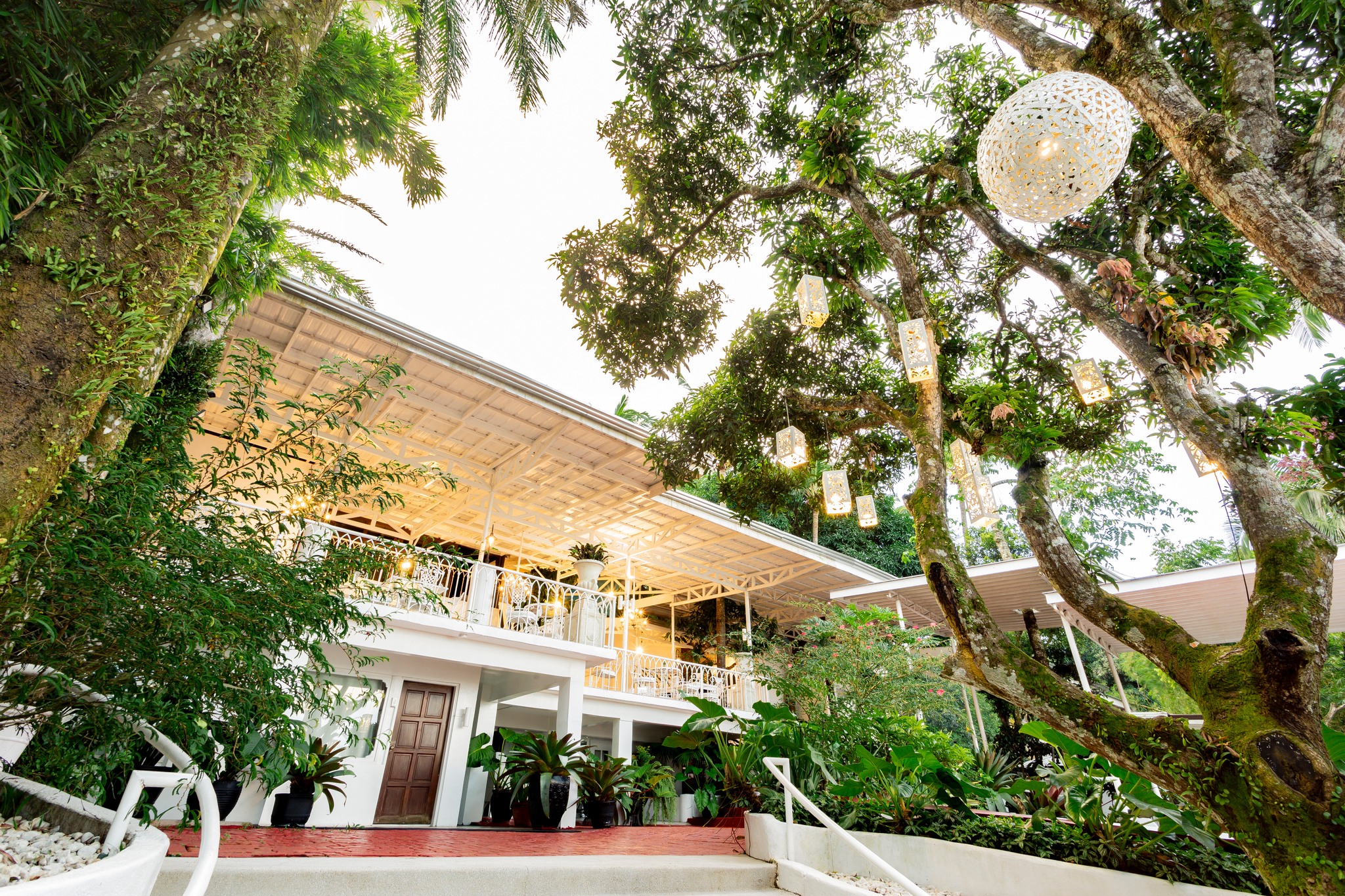
In Iloilo City, the restored Molo Mansion offers another model. Built in 1926, the former residence was rehabilitated for retail, dining and cultural use while retaining features such as its hardwood flooring, ceilings and period details.
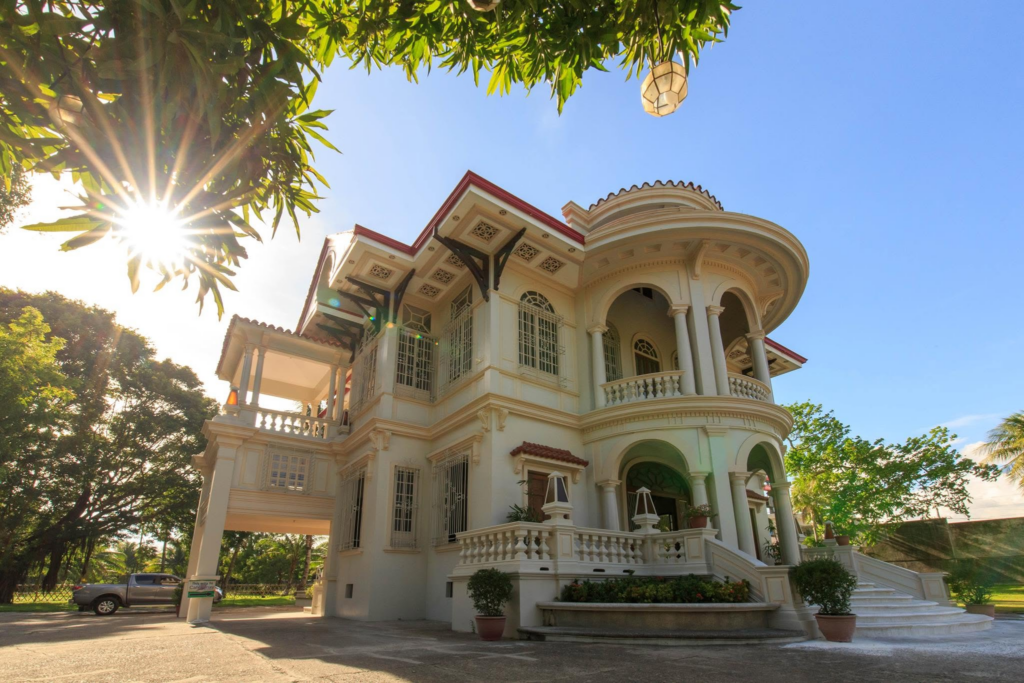
Its grounds have hosted cafés and food businesses, while the mansion itself has provided space for Filipino products and local art exhibitions. Instead of preserving the building as an isolated monument, the project connects it with Iloilo’s food, crafts and contemporary creative community.
Visitors can appreciate the architecture while also supporting businesses rooted in the region.
The best heritage cafés preserve more than façades
Not every renovation inside an old building automatically supports heritage conservation. A business can keep the exterior walls while removing the details, stories and local character that made the property significant.
Thoughtful projects tend to retain original materials where possible, make modern additions clearly distinguishable and use furniture, art and signage that complement rather than imitate the past.
They also work with conservation professionals when structural changes, plumbing, accessibility or fire-safety upgrades are required. As highlighted in a Philstar Property report on adaptive reuse, old structures can serve modern purposes without erasing their architectural identity.
Local participation is equally important. Heritage revival becomes more meaningful when nearby residents, craftspeople, food producers and small businesses share in the economic activity created by the destination.
Guidance from the UNESCO World Heritage Sustainable Tourism Programme also emphasizes involving communities and local enterprises in decisions affecting historic places.
Historic districts need regular visitors, not occasional nostalgia
The hidden cafés reviving historic Philippine districts offer a practical lesson: preservation becomes easier when old buildings remain useful.
A café alone cannot rescue an entire neighborhood. But when it is connected with galleries, museums, independent shops, walking tours and community events, it can help create a district people repeatedly visit rather than remember only through old photographs.
The challenge is to make these places commercially sustainable without turning heritage into a theme. The most successful spaces allow old buildings to change while ensuring that their architecture, stories and connection to the community remain visible.