A trip to the mall is no longer just about shopping — it’s increasingly about embracing a lifestyle, with many properties evolving into lifestyle destinations where a day can begin with a pickleball game, a restaurant reservation, a concert ticket, a pet day out, or an appointment for a massage, facial, or health checkup.
That evolution is becoming more evident across the Philippine retail landscape.
A 2026 Philippine retail outlook points to renovations, redesigned tenant mixes, and more experience-focused concepts as mall operators respond to changing consumer expectations and growing competition from newer developments and online shopping.
Rather than relying solely on department stores and fashion brands to draw crowds, malls are creating more reasons for people to visit, gather, and spend several hours, even when shopping is not the primary purpose. Dining, recreation, wellness, entertainment, and community activities are increasingly becoming just as important as retail.
Shopping remains at the heart of the mall experience, but it is now only one part of a much broader lifestyle destination.
Restaurants are becoming destinations of their own
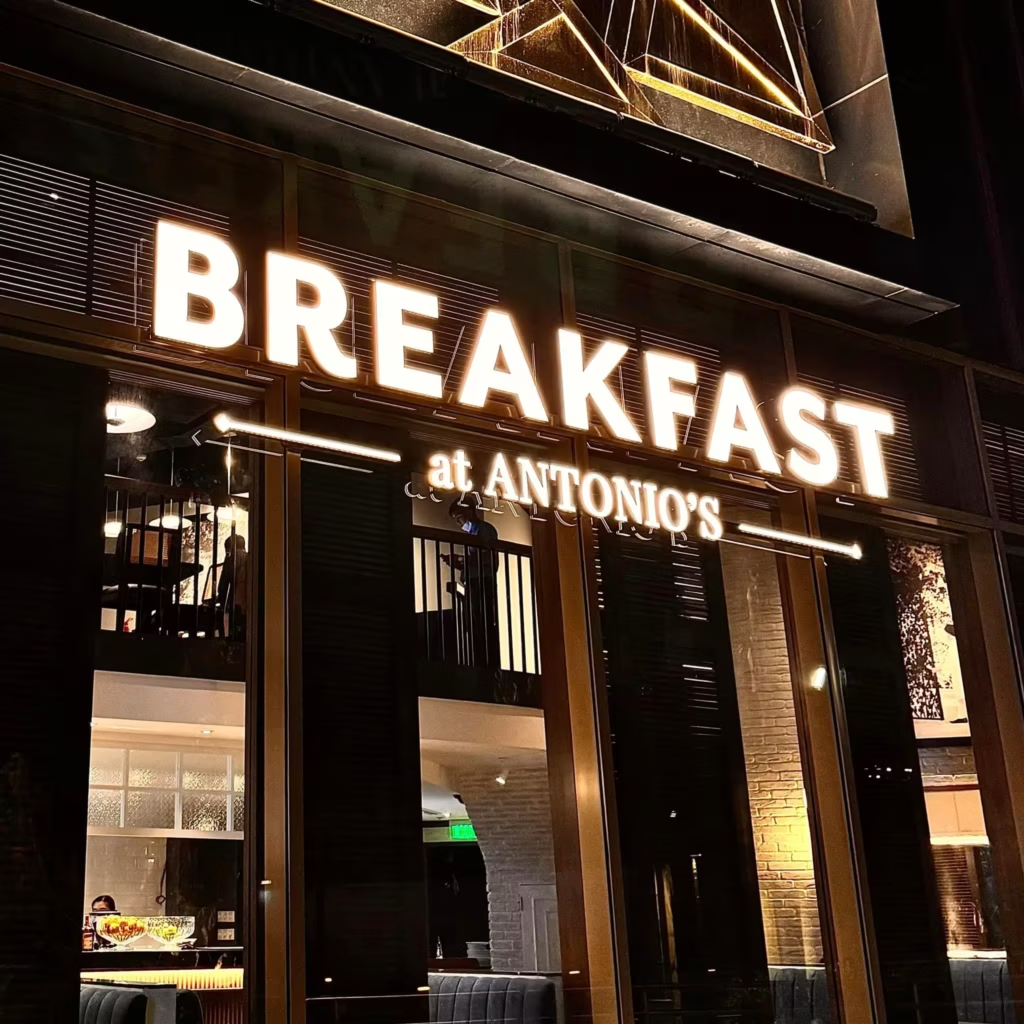
Food has become one of the strongest reasons to choose one mall over another.
A customer may visit specifically to try a restaurant that just opened, celebrate a birthday over a long meal, or meet friends at a café that is not available anywhere else nearby.
This is why newer malls are treating dining as a major attraction rather than simply filling a floor with familiar food chains.
Opus Mall in Bridgetowne, for example, positions itself as a lifestyle destination built around dining, shopping, and entertainment. Its restaurant mix includes Breakfast at Antonio’s, Il Lupino, Hoshino, Key Coffee, Paul, Wildflour, Tim Ho Wan, and Australia’s St. Ali café.
Other Robinsons properties have also brought destination restaurants closer to urban customers.
In 2025, Paradise Dynasty opened its first Quezon City branch at Robinsons Magnolia, while Sogeum by Soban launched its first Philippine location at Opus. Azela by Balay Dako, a concept from The Antonio’s Group, opened its first mall branch at Robinsons Manila.
These are not only places to grab a meal between errands. Their interiors, menus, private dining areas, and signature dishes are designed for celebrations, social media posts, family gatherings, and planned dining trips.
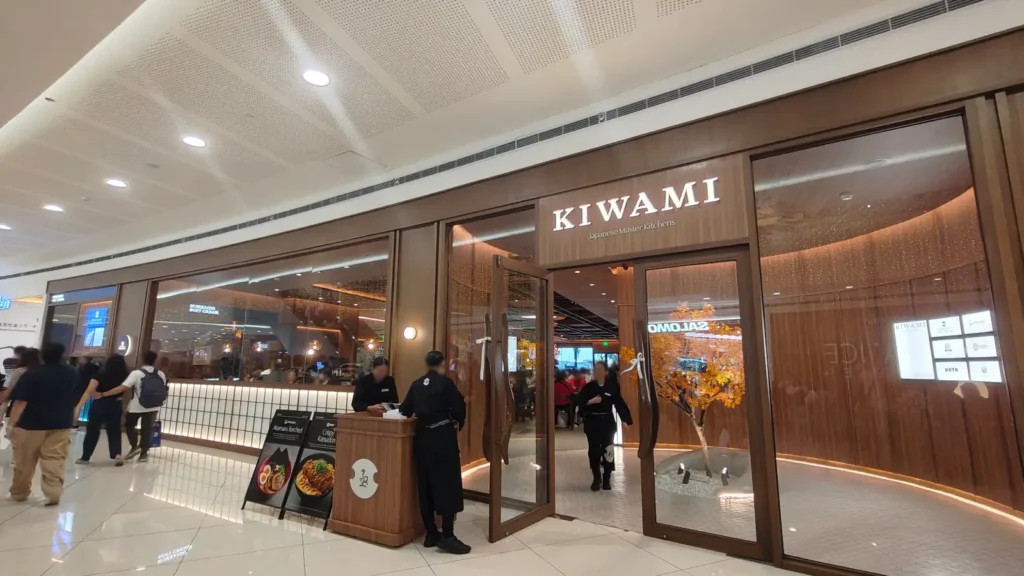
IMAGE CREDIT: Foods
SM Mall of Asia has followed the same direction with the opening of the largest Kiwami Japanese Master Kitchens branch in 2025.
When a restaurant becomes the main reason for visiting, the rest of the mall benefits. Diners may arrive early, browse nearby stores, have coffee after the meal, or watch a movie before heading home.
Sports are turning malls into community spacess
Exercise is also moving into malls.
Running groups, fitness classes, basketball courts, and pickleball communities allow people to use mall spaces in ways that have little to do with traditional retail.
The expansion of SM Active Hub is one of the clearest examples.
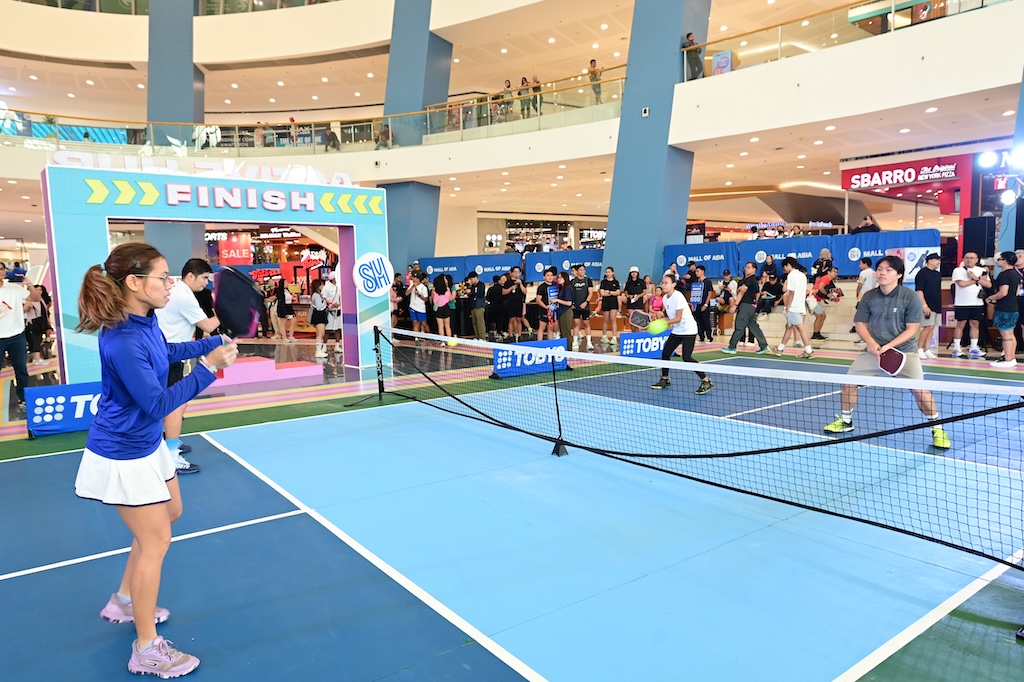
IMAGE CREDIT: SM Active Hub
By May 2026, its pickleball network had grown to 86 courts across 29 malls, alongside tournaments, clinics, social games, and community activities.
Some events combine sports with music, lights, nightlife, and social gatherings. Pickleball is not being presented only as exercise. It has become another mall-based lifestyle activity where people can play, meet others, and spend the rest of the day dining or shopping nearby.
This format encourages repeat visits.
A customer may try a new restaurant only once, but someone who joins a weekly game or running group can make the mall part of a regular routine. Friends and family members who come along may also spend time in cafés, cinemas, stores, and other facilities while waiting.
Pet-friendly spaces influence weekend plans
For many Filipinos, a weekend destination also needs to welcome their pets.
Malls have responded with pet registration systems, designated areas, outdoor dining spaces, pet supply stores, grooming services, and events created specifically for animal owners.
Ayala Malls’ pet policies show how pets have become part of the regular mall experience, although rules can vary depending on the property, restaurant, store, and size of the animal.
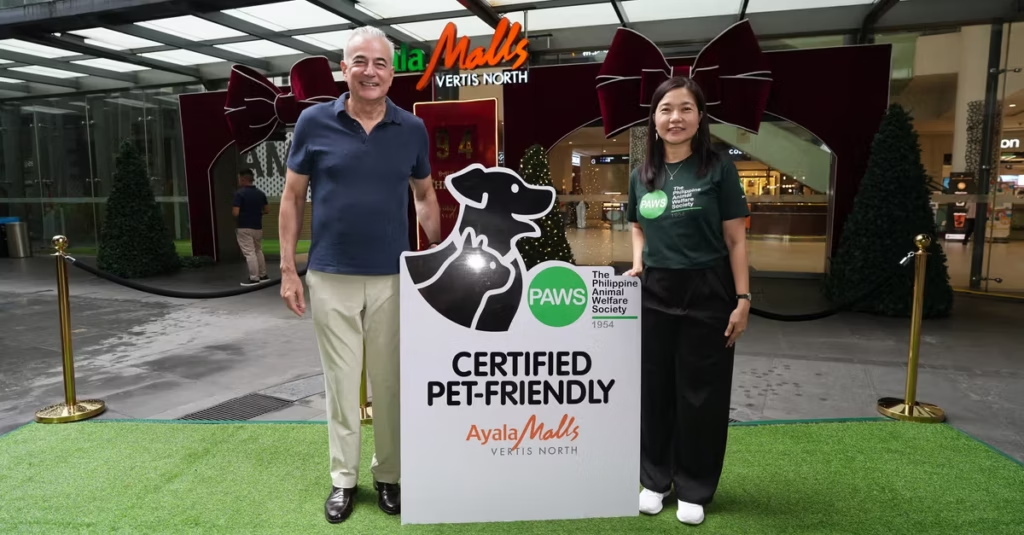
IMAGE CREDIT: Ayala Land
At Ayala Malls Vertis North, for example, cats and dogs are permitted in mall hallways and in establishments that identify themselves as pet-friendly. Other properties may require pets to be carried, placed in strollers, registered, or accompanied by updated vaccination records.
These policies can influence where families spend their free time.
Instead of leaving their pets at home, owners can plan lunch, coffee, shopping, grooming, and social activities around places where the entire household is welcome.
Wellness is becoming part of the mall day
Salons and spas have long been mall staples, but health and wellness services are becoming more visible and organized.
Some properties now group dental clinics, skin centers, beauty services, massage facilities, gyms, and health-focused dining options into dedicated zones.
The Wellness Space at SM City BF Parañaque, located on the mall’s third level, brings together dental care, facials, body treatments, massages, nail services, grooming, and other self-care options.
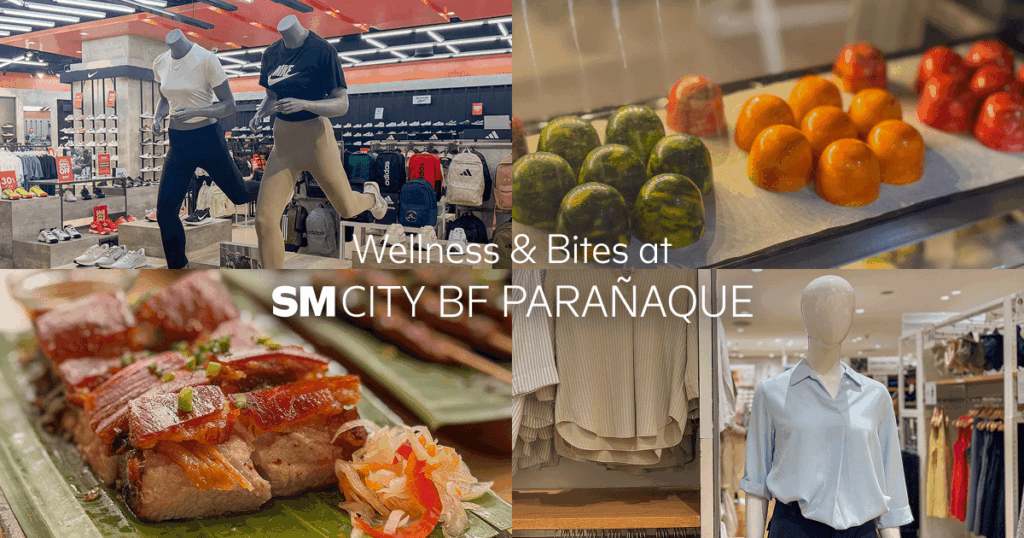
IMAGE CREDIT: SM Supermalls
The format makes it possible to turn an appointment into a full day. A customer can visit a clinic, have lunch, buy groceries, and meet a friend without traveling to several separate locations.
SM Mall of Asia has also added a Department of Health Wellness Clinic offering preventive care, health screenings, and wellness programs.
This reflects a broader idea of convenience. In cities where traffic can make even simple errands exhausting, having health, dining, recreation, and shopping in one place becomes part of the attraction.
Concerts turn mall visits into full-day experiences
Live events give people a reason to visit a mall complex at a specific time.
Concerts, fan meetings, sports competitions, weekend markets, and cultural performances create a sense of urgency that ordinary retail cannot always offer.
The SM Mall of Asia Arena continues to attract local and international concerts, worship gatherings, sporting events, and fan-driven shows. Its 2026 calendar includes performers and acts such as XG, AHOF, Kodaline, Rex Orange County, Charlie Puth, Jason Mraz, and 5 Seconds of Summer.
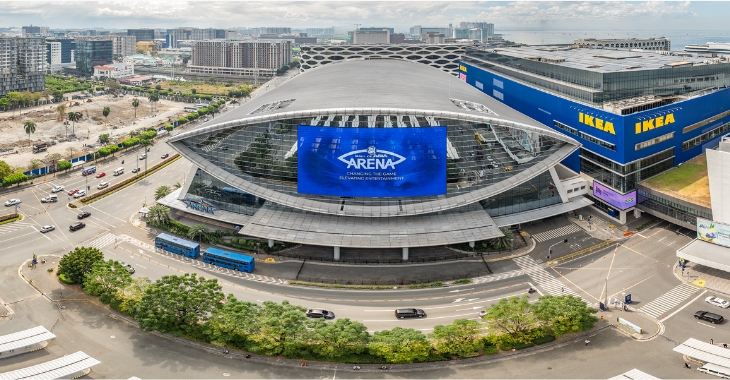
IMAGE CREDIT: SM Supermalls
An event at the arena can easily turn into an entire day around the Mall of Asia complex.
Fans may arrive early to avoid traffic, eat before the show, buy merchandise, explore nearby shops, and stay for dessert afterward. Even people without tickets can be drawn to the surrounding activity.
Smaller properties use the same strategy through community concerts, pop-up markets, hobby conventions, fitness events, and seasonal celebrations.
The scale may differ, but the goal is the same: create something that cannot be delivered to a customer’s doorstep.
Malls are competing with the comfort of home
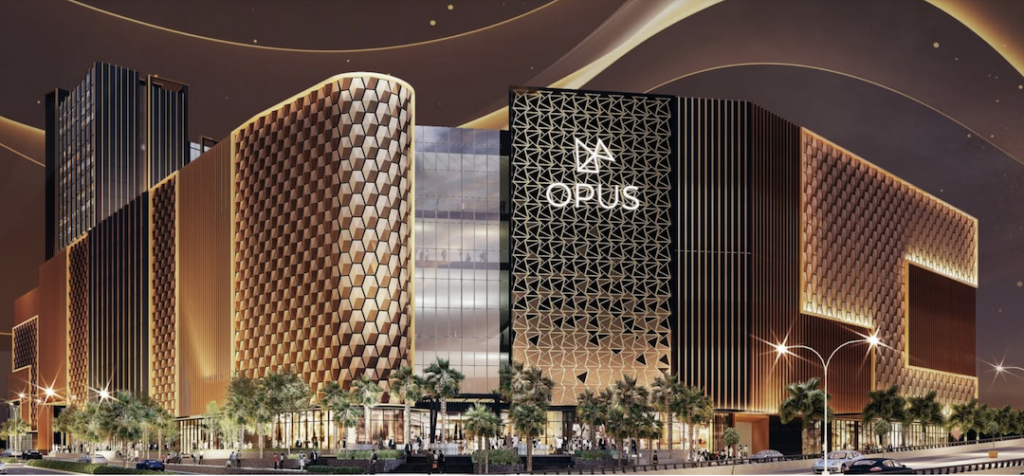
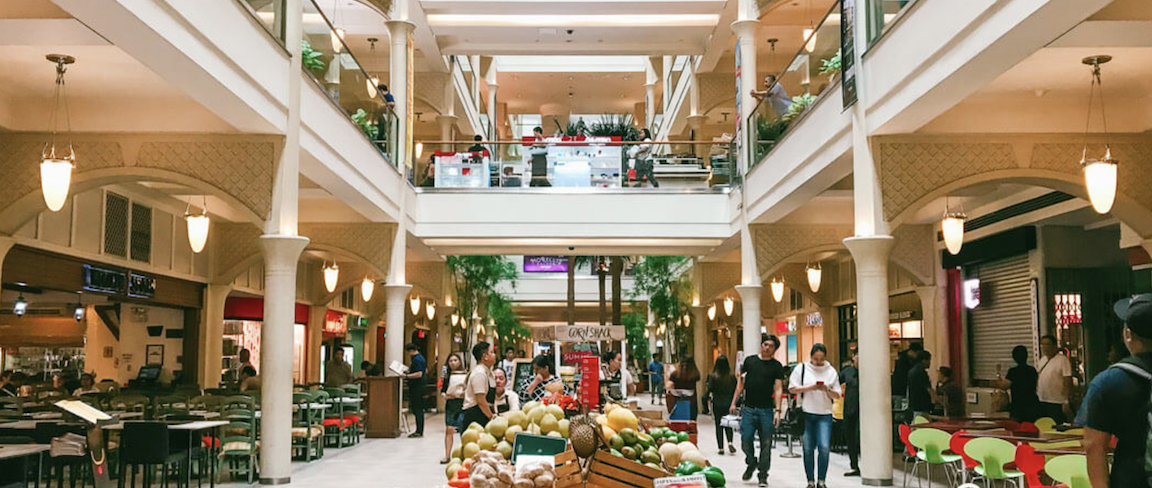
Facade shot of Opus Mall at Bridgetowne Destination Estate in Q.C.
Online shopping allows consumers to buy clothes, gadgets, beauty products, and groceries without leaving home.
Physical malls need to offer something a delivery app cannot reproduce.
A delivery can bring dinner, but it cannot completely replace the atmosphere of trying a new restaurant with friends. A livestream can show a concert, but it cannot recreate the energy of being inside a packed venue. A fitness video can guide a workout, but it does not offer the same community as a weekly sports group.
This is why the modern mall is selling more than products. It is selling convenience, discovery, entertainment, food, wellness, and social connection.
The longer people stay, the more likely they are to move between restaurants, services, events, cinemas, and stores. A one-hour errand can become an afternoon or an entire day.
The mall is still a place to shop. Increasingly, however, shopping is becoming optional.
What matters is giving people enough reasons to leave home, bring their friends, and keep coming back.