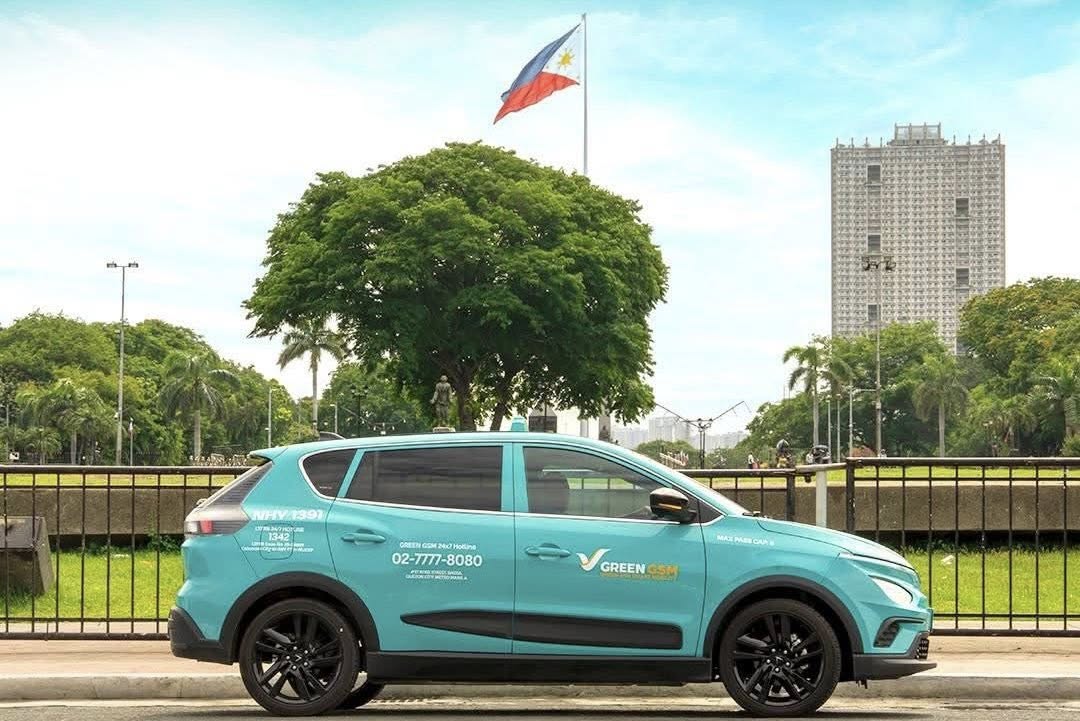
Rain does not necessarily mean a ruined Philippine vacation.
From June to November, the country enters its rainy season, but that does not mean every island is constantly drenched. Weather patterns vary considerably across the archipelago, and a rainy forecast in one destination does not automatically mean bad weather everywhere else. According to the Philippine Atmospheric, Geophysical and Astronomical Services Administration (PAGASA), the country’s rainy season generally runs from June to November, while the Southwest Monsoon or Habagat particularly affects western sections of the country.
For travelers, that distinction matters.
A September trip can still mean beaches, road trips, mountain escapes and city weekends. It simply requires more flexibility, better packing and a willingness to change plans when the weather does.
Pack for sudden changes, not just rain
The most important rainy-season travel item is not necessarily an umbrella. It is something that keeps your essentials usable when the weather changes within minutes.
A lightweight waterproof or water-resistant jacket is useful for both city trips and outdoor destinations. A compact umbrella can help during short downpours, while a dry bag or waterproof pouch is worth bringing for phones, chargers, passports and other electronics.
Shoes also deserve more attention during the wet season. Instead of packing only fashionable sandals or canvas sneakers, bring footwear with decent traction that can handle wet streets, muddy paths and slippery surfaces.
For beach trips, add a waterproof phone pouch, quick-drying clothes and a reusable water bottle. For mountain destinations, pack an extra layer because rain, wind and elevation can make temperatures feel considerably cooler.
The rainy season is also a good reason to avoid overpacking. If an itinerary changes because of bad weather, carrying several heavy bags can make transfers between hotels, buses, ferries and airports even more inconvenient.
Where to go when the western side gets wet
One of the biggest mistakes travelers make is treating the Philippines as if it has one weather pattern.
During the Habagat season, the western portions of the country are generally more exposed to monsoon rainfall. PAGASA notes that the Southwest Monsoon brings warm, moist winds and rain particularly to western areas.
That makes the eastern side of the country worth considering when planning a rainy-season escape.
Siargao

Siargao offers an island escape beyond just beach weather
Siargao can be an appealing option for travelers who want an island atmosphere without making the trip solely about beach weather.
General Luna has developed into a year-round destination with cafés, restaurants, coworking spaces and accommodations catering to longer-stay travelers. Even when rain interrupts outdoor plans, there are plenty of ways to spend the day without leaving town.
Surfing, however, should always depend on actual sea and weather conditions. Travelers should check local advisories rather than assuming that a surf destination is automatically safe simply because the activity is popular there.
Bohol
Bohol offers more than its beaches.
Travelers can build an itinerary around food, cafés, heritage sites, countryside drives and indoor activities, giving them alternatives if an island-hopping schedule gets cancelled.
Panglao remains popular for its beaches and diving, but travelers visiting during the rainy season should leave room in their schedule for weather-related changes rather than booking every activity back-to-back.
Cebu
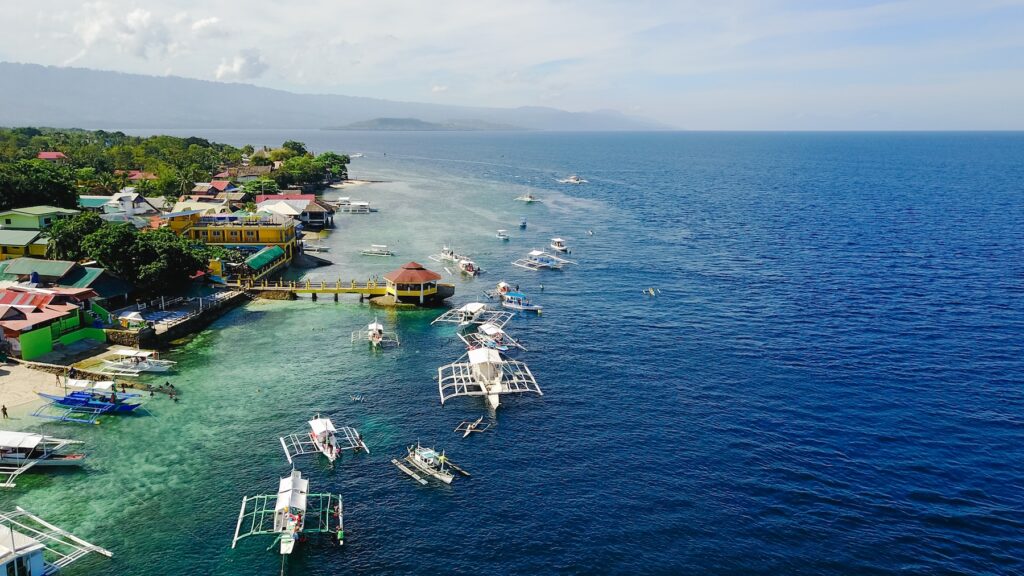
Aerial view of Sumilon Island beach near Oslob, Cebu
Cebu is another practical choice for travelers who want a combination of urban conveniences and outdoor attractions.
A rainy day can become a food trip around Cebu City, a café-hopping day or an opportunity to explore museums and heritage sites. If the forecast improves, travelers can then move their outdoor activities to another day.
That flexibility makes larger destinations particularly attractive during unpredictable weather.
Davao
For travelers who want to minimize reliance on beach weather, Davao can be a strong alternative.
The city offers restaurants, cafés, shopping and cultural attractions, while destinations outside the city provide nature-oriented experiences when conditions allow. Its location in Mindanao can also make it a useful option when weather systems are affecting other parts of the country.
The key is still to check the forecast before traveling, since tropical weather can change quickly.
Where to think twice before booking
The answer is not simply “skip all beaches.”
Instead, travelers should be more cautious about destinations where the experience depends almost entirely on calm seas, clear skies or mountain visibility.
Baguio during severe rain
Baguio is one destination where weather conditions deserve particular attention.
In August 2026, continuous heavy rain associated with Tropical Storm Maymay and the Southwest Monsoon caused flooding in parts of Baguio. Tourist attractions including Burnham Park and strawberry farms were affected, while the Office of Civil Defense urged tourists to postpone nonessential trips because of the hazardous conditions.
This does not mean Baguio should be permanently removed from a rainy-season travel list. It means travelers should distinguish between ordinary rainy days and periods of dangerous weather.
Fog, landslides, flooded roads and road closures can turn a scenic mountain trip into a difficult journey.
Mountain and waterfall trips during heavy rain
Waterfalls, river adventures and mountain trails can become significantly more dangerous after prolonged rainfall.
Fast-rising water levels, slippery rocks, landslides and reduced visibility are risks that cannot be solved by simply bringing better rain gear.
If PAGASA or local authorities issue warnings, postponing the trip is the better travel decision.
Island-hopping on a tight schedule
Island-hopping is one of the activities most vulnerable to weather disruptions.
Strong winds and rough seas can lead to cancelled boat trips even when the destination itself looks perfectly fine from the shore. This is particularly frustrating for travelers who have booked a short two-day or three-day trip around a single major activity.
During the rainy season, it is better to give yourself an extra day whenever possible.
Plan around the weather, not against it
PAGASA’s 2026 rainy-season announcement is a useful reminder that rain does not necessarily arrive continuously. The agency noted that monsoon breaks, or periods of reduced rainfall, can last for several days or even weeks.
That means flexibility can sometimes matter more than choosing a supposedly “rain-free” destination.
Instead of filling every day with non-refundable tours, travelers can leave one or two open periods in the itinerary. If the weather clears, that becomes the beach or hiking day. If rain arrives, it becomes the café, food or museum day.
It is also worth checking PAGASA forecasts immediately before departure and again during the trip. The Philippines averages around 20 tropical cyclones entering the Philippine Area of Responsibility each year, and multiple weather systems can sometimes affect the country at the same time.
Travelers should also monitor ferry and airline advisories, particularly when a tropical cyclone or strong monsoon is forecast.
The rainy-season travel checklist
Before leaving, make sure your bag includes a compact umbrella, rain jacket, waterproof pouch, quick-drying clothes, extra socks and shoes with good traction.
Keep digital copies of important documents and avoid placing electronics in exterior pockets where they can easily get wet.
Most importantly, build some flexibility into the itinerary. A cancelled boat ride is inconvenient. Missing a flight because of a storm, getting stranded on a mountain road or ignoring a local safety warning is a much bigger problem.
The rainy season can make the Philippines look different from the postcard version travelers often expect. Skies turn dramatic, roads become quieter and some attractions become less crowded.
For travelers willing to slow down and adjust, that can be part of the experience.
The best rainy-season trip is not necessarily the one where you never see a cloud. It is the one where the weather does not get to decide whether the entire trip is ruined.