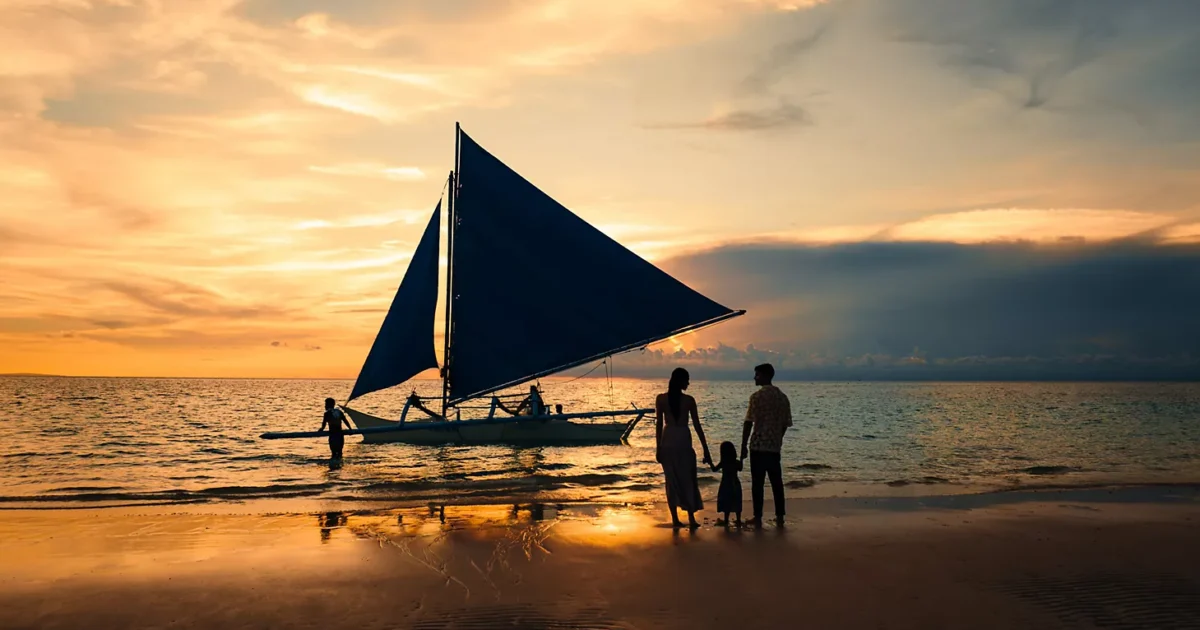
Travel experiences are becoming a bigger part of how Filipinos decide whether a vacation is worth the money.
Filipinos have not stopped wanting to travel. But amid higher everyday costs, the idea of what makes a good vacation is beginning to change.
For some travelers, the dream trip is becoming less about an expensive resort, a long-haul flight or a packed week-long itinerary. A weekend road trip, a food crawl in another province, an overnight stay in a heritage town or a few days spent discovering somewhere closer to home can feel just as rewarding.
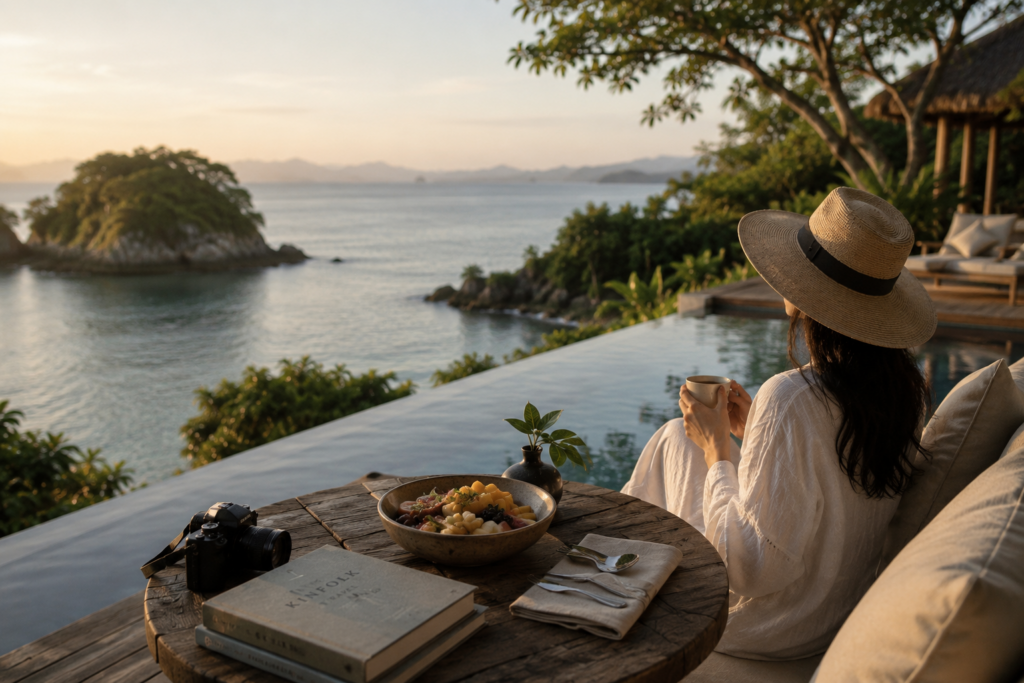
The shift is partly practical. Philippine headline inflation stood at 6.2 percent in July 2026, while transport prices were 11.9 percent higher year-on-year and restaurant and accommodation services rose 6.8 percent, according to the Philippine Statistics Authority.
Yet rising costs do not appear to be eliminating travel from Filipinos’ priorities. Instead, travelers are becoming more selective about where their money goes.
Travel is staying, but the budget is moving
The latest Klook Travel Pulse research suggests travelers across Asia Pacific are adjusting their spending rather than abandoning trips altogether.
The July 2026 study found that 95 percent of surveyed APAC travelers had not canceled or postponed a trip despite higher costs. Instead, 25 percent were cutting spending on flights and accommodation, while only 18 percent were reducing their budgets for experiences.
Filipinos also emerged as the region’s most active bargain hunters, with 59 percent looking for deals, discounts and bundled offers to make their travel budgets go further.
That changes the calculation behind a trip.

A cheaper plane ticket or discounted hotel room may still help, but price alone does not necessarily make a vacation worthwhile. Travelers increasingly want to know what they will eat, see, learn or experience once they arrive.
Instead of upgrading the room, someone might spend on a guided heritage walk. Instead of staying for five nights, a traveler could book two or three and use the difference for a cooking class, island tour or memorable meal.
The question becomes less about how luxurious the vacation looks and more about how much experience it delivers for the money spent.
Short trips can still feel like real vacations
This also helps explain why shorter trips have become more attractive.
According to Agoda’s 2026 Travel Outlook findings, 32 percent of surveyed Asian travelers were planning trips lasting just one to three days, while 35 percent expected to take four to six trips during the year.
For Filipinos, this can make the long weekend particularly valuable.
Metro Manila residents can build trips around Batangas, Rizal, Laguna, Quezon, Pampanga or nearby parts of Central Luzon without necessarily committing to airfare or several days of accommodation. Elsewhere in the country, the same approach works through neighboring provinces and regional cities reachable by bus, ferry or car.
A road trip through Batangas, for example, could combine local restaurants, heritage sites and a small guesthouse. A Pampanga weekend can revolve almost entirely around food. Someone based in Cebu or Iloilo can similarly look toward nearby towns rather than automatically booking a flight to another major destination.
Shorter does not necessarily mean less memorable.
It can simply mean concentrating the budget on the parts of travel that matter most.
Food is becoming part of the destination
Sometimes, travelers do not need a famous beach or luxury resort to justify leaving home.
They just need something worth eating.
Food has climbed into the top three travel motivators among surveyed Asian travelers, according to Agoda’s 2026 research on culinary travel.
That works particularly well in the Philippines, where a regional food trip can become an itinerary by itself.
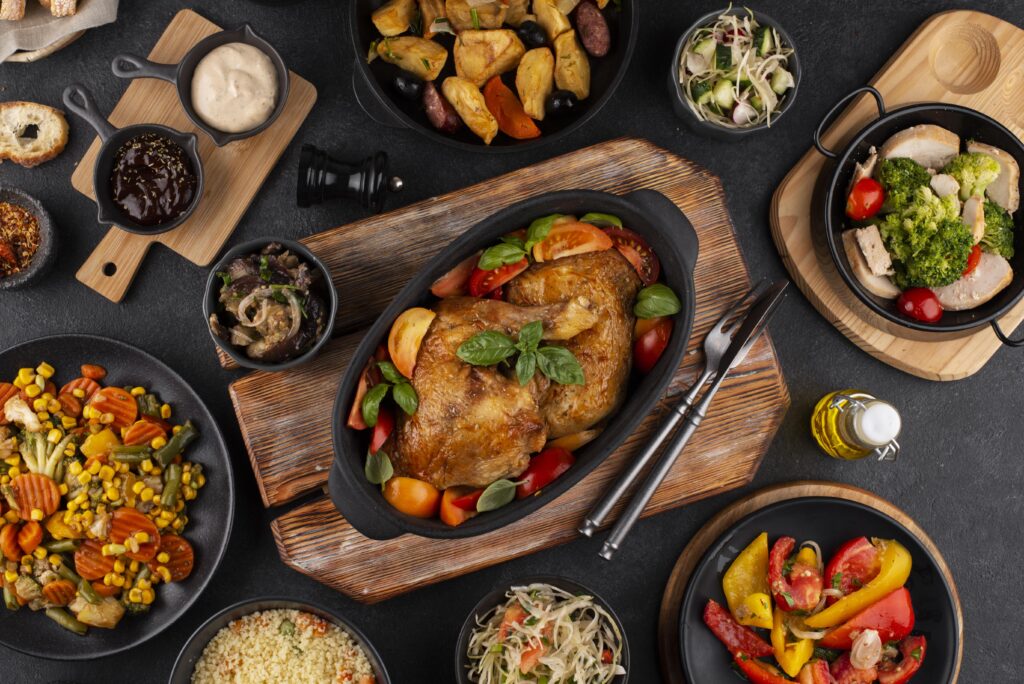
A weekend could revolve around Kapampangan cooking in Pampanga, Ilonggo dishes in Iloilo, seafood in Roxas, lomi in Batangas or restaurants and bakeries that have been part of a town for generations.
These trips also give travelers a reason to move beyond the most photographed attractions. A meal shared at a family-run restaurant, a morning trip to a public market or discovering a regional dish that is difficult to find back home can become the moment they remember most.
The experience does not have to be expensive to feel special.
Heritage towns and homestays offer a different kind of value
The search for memorable experiences is also making lesser-known destinations more attractive.
Klook’s 2026 research found that authentic local experiences, discovering hidden gems and affordability were among the biggest reasons travelers were interested in destinations outside the usual tourism hotspots. Klook also found that 42 percent cited authentic local experiences as a reason to explore lesser-known places, followed by discovering hidden gems at 39 percent and affordability at 37 percent.
For the Philippines, that creates room for destinations where the main attraction is not necessarily a large resort complex.
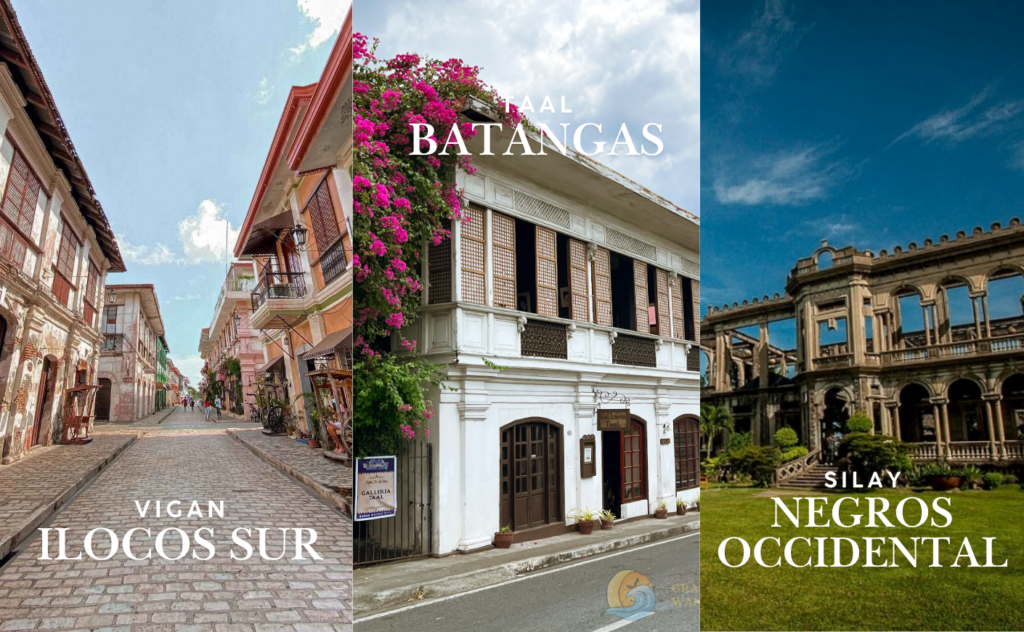
Walking through the ancestral houses of Taal, exploring heritage districts in Iloilo, spending a weekend in Vigan or choosing a small guesthouse in a provincial town can give travelers a closer connection to the destination.
Homestays and locally run accommodations can add another layer. Breakfast may come from a family kitchen. Hosts can point visitors toward neighborhood restaurants, workshops or attractions that rarely appear on standard itineraries.
In these cases, the accommodation does not need to imitate a five-star hotel. Its value comes from helping travelers experience the place differently.
The experience can decide the destination
There is another important change happening in how trips begin.
Travelers traditionally chose a destination first and figured out what to do afterward. But Klook’s latest research found that 23 percent of APAC travelers now begin with a specific activity and choose where to travel from there. The same study found that 73 percent would consider traveling to a secondary or lesser-known city specifically for a unique event, festival or activity.
That mindset opens up more possibilities for domestic travel.
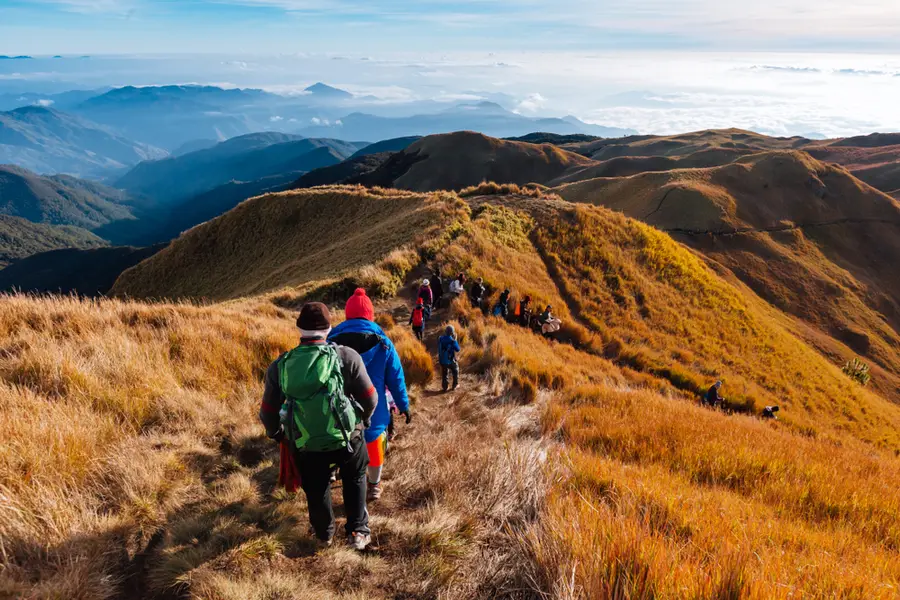
Someone might travel for a marathon rather than a beach. Another might plan a weekend around a festival, diving trip, hiking trail, pottery workshop, farm visit or particular restaurant.
When the experience becomes the reason for traveling, destinations that might have once been overlooked suddenly become viable vacation choices.
A good vacation no longer needs to look expensive
None of this means Filipinos no longer want international holidays, resorts or once-in-a-lifetime trips.
There will always be vacations worth saving for.
The bigger change is how travelers measure value. In a year when transportation, accommodation and everyday expenses are competing for the same household budget, getting the most out of a trip does not necessarily mean getting the most luxurious version of it.
Sometimes it is a two-hour drive followed by a meal you have been wanting to try. It is waking up inside an old heritage house, discovering a quiet coastal town, attending a local festival or spending an afternoon learning how something is made.
The most memorable vacation may still involve a plane ticket and an expensive hotel.
But increasingly, it does not have to.
For travelers becoming more careful about what they spend, a good getaway is less about how much it costs and more about having something worth remembering when they get home.