Ask most people if they use AI, and the honest answer is usually “not really — I just use my phone.”
That answer is wrong. The AI features hiding in your everyday apps have quietly become the plumbing of modern life, and most of them do not even carry the label anymore.
The obvious ones you already use
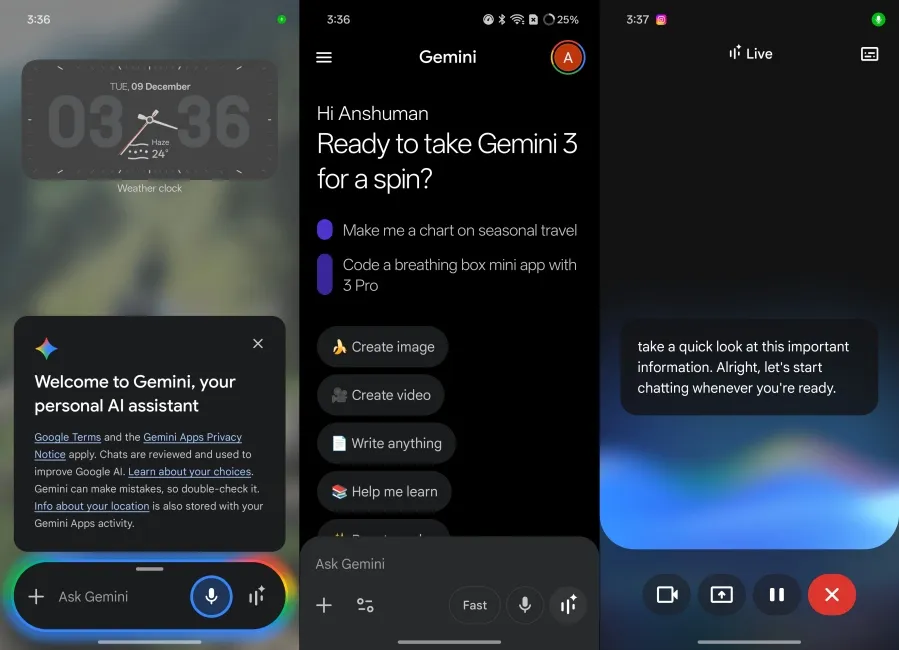
IMAGE CREDIT: Beebom
For obvious AI features, start with what’s in plain sight. Gmail’s spam filters block roughly 99.9% of spam — that’s a machine-learning system, not a rules engine. Smart Reply drafts one-tap responses by reading the tone of the incoming message.
Google Photos surfaces old memories, groups faces, and through a Gemini-powered feature called Ask Photos, lets you find pictures by describing them in plain language.
The sneakiest ones: your photos
Photography is where another AI feature hides best. Portrait mode, Night Sight, Magic Eraser, and Apple’s newer Spatial Reframing all use on-device models that decide what to sharpen, blur, or remove.
Photos edited with Apple Intelligence now include a hidden SynthID watermark to identify AI-touched images. It’s exactly this quiet computational layer that’s pushing some Filipinos back toward film cameras and imperfect photography — a reaction to phones that “improve” every shot by default.
The invisible ones
Netflix and Spotify recommendations. Uber’s ETA. Waze rerouting. YouTube’s autoplay. Instagram’s Reels queue. Google Maps guessing you’re about to leave for work.
None of these apps advertise “AI inside” — they just work slightly better than they used to, and you stop noticing the difference within a week. Even the transport apps we use daily are quietly moving in this direction, as our piece on integrated mobility platforms explores.
Messaging catches up
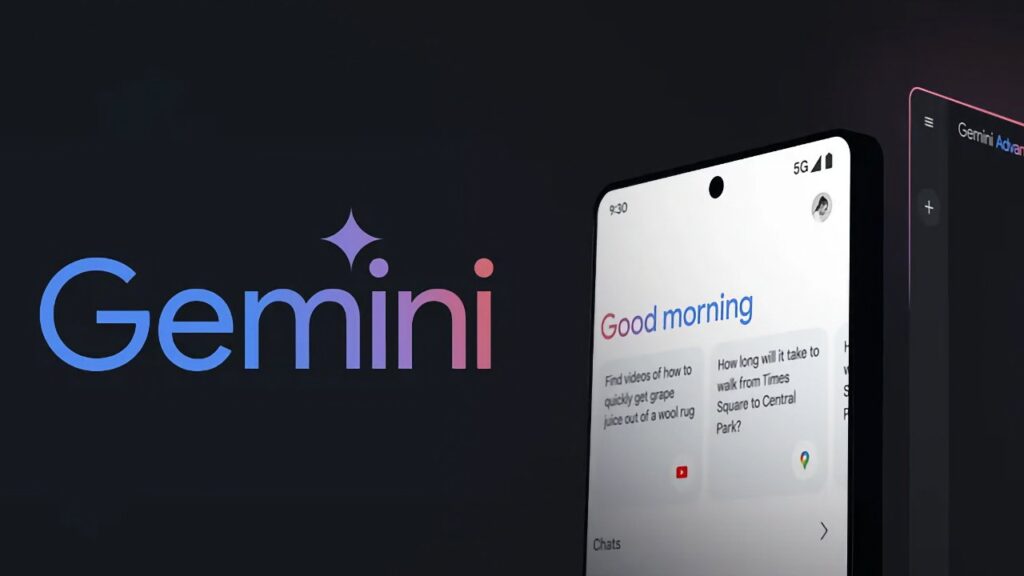
IMAGE CREDIT: Apple Insider
WhatsApp filters spam. iMessage suggests replies. Gmail on Android is rolling out a Gemini-powered Q&A feature that lets you ask questions about old emails instead of scrolling forever.
Google’s Gemini Intelligence, which is rolling out through 2026, promises multi-step automation across apps — take a photo of a menu, ask a question, and let the phone plan the rest. It’s also why the question of whether you really need a new phone every year matters more than ever: most of the AI upgrades now arrive through software, not hardware.
Two practical takeaways
The shift isn’t simply that AI has arrived — as Mindanao’s own storytellers recently discussed at Istoryahay 2026, the more urgent question is what stays human.
So: first, if a feature saves you a step you didn’t know you were taking, it’s probably AI. Second, most of these have an off switch buried in settings. If you’d rather your phone not read your photos or inbox, you can say no — but you have to know the door is there.