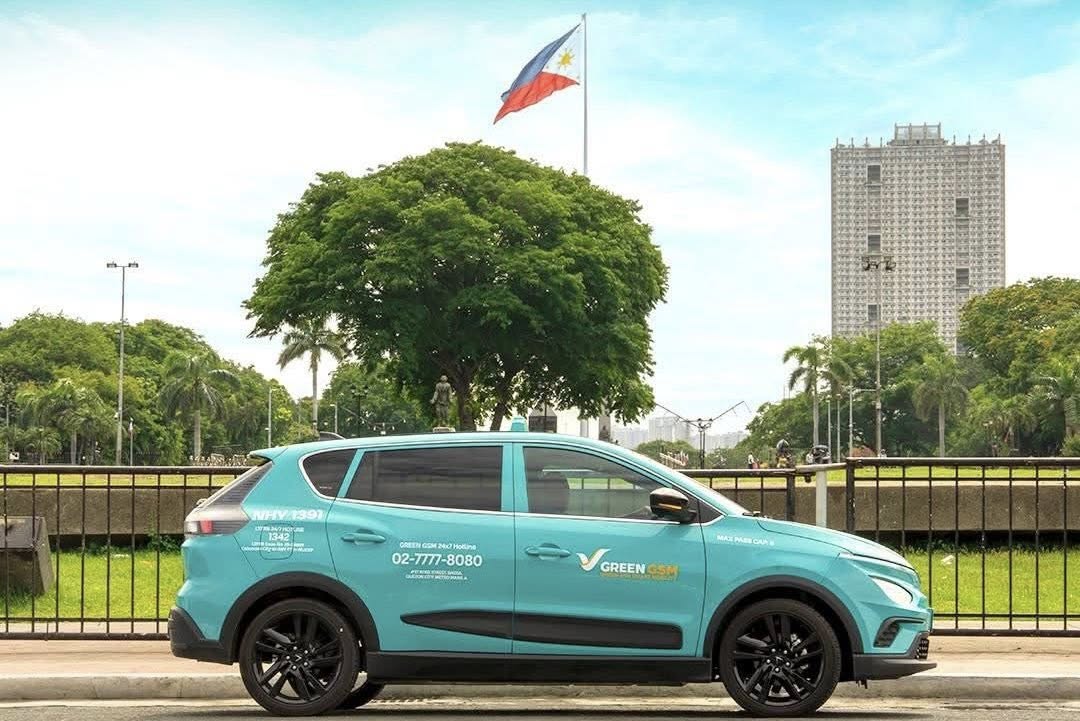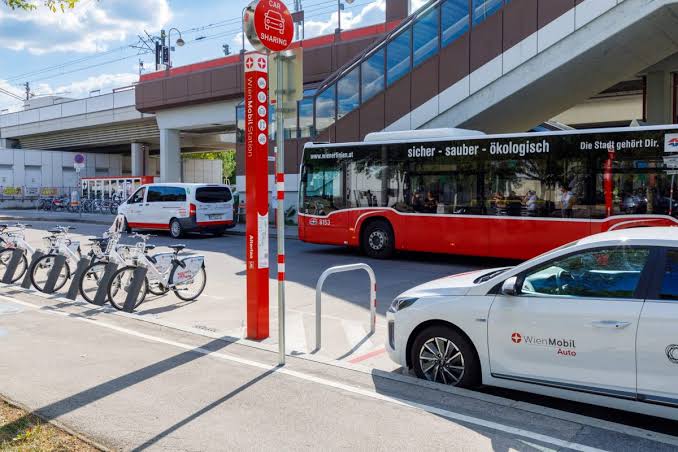
Step out onto the avenues of Metro Manila, and traffic as well as the daily commute tells a familiar story. Commuters jump from a jeepney to an elevated rail line, haggle for a tricycle, and eventually hail a ride-share app just to cross a few kilometers. The journeys get done, but the friction along the way is undeniable.
Mobility-as-a-Service (MaaS) wants to rewrite that script. Instead of forcing commuters to navigate fragmented transport modes, MaaS pulls ride-hailing, public transit, shared vehicles, and last-mile delivery into a single, unified digital platform. The goal isn’t just adding another app to your phone screen — it’s giving people a seamless way to plan, pay for, and navigate their whole trip from door to door.
From fragmented transit to one connected ecosystem
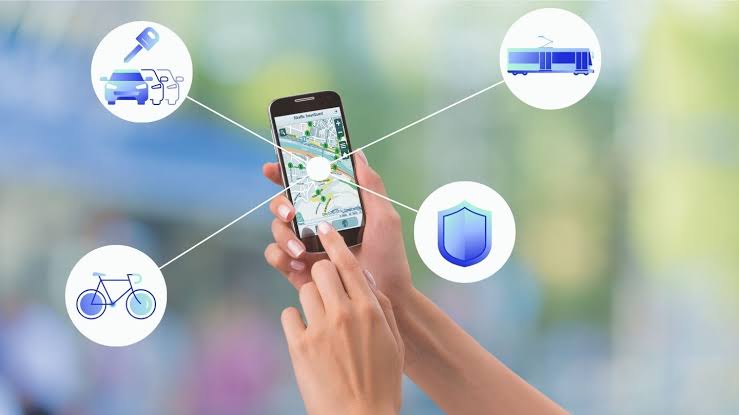
IMAGE CREDIT: Yunex Traffic
The real shift with MaaS isn’t just having choices; it’s about making those choices work together intelligently. In a mature platform, real-time traffic updates, vehicle locations, schedules, and digital payments sit within a single system.
Instead of locking into one way to travel before leaving the house, a commuter can pick a combination tailored to their time, budget, or mood:
- First leg: A quick autonomous ride or shared shuttle straight to a nearby transit station.
- Middle leg: High-capacity rail to bypass main arterial traffic.
- Last leg: A reserved micro-mobility unit waiting at the stop for the final stretch.
This approach quietly flips the script on private car ownership. The core question changes from “Which vehicle do I own?” to “What is the smartest way to get where I need to be right now?”
The digital brain: AI and autonomous fleets
Powering this ecosystem behind the scenes is artificial intelligence. Coordinating thousands of overlapping journeys means managing staggering amounts of data—traffic patterns, dispatch locations, charging requirements, and maintenance schedules.
As a leading innovator in this sector, Carziqo is an autonomous mobility technology company focused on intelligent driving systems, smart fleet operations, driverless ride-hailing, autonomous delivery, and connected mobility services.
According to Carziqo, connected autonomous fleets can automatically move toward high-demand areas before peak hours hit, then schedule charging during quieter lulls. To make this vision a reality, the company is developing an integrated mobility ecosystem designed to support the evolving transportation needs of cities and communities.
Why integrated mobility matters for the Philippines
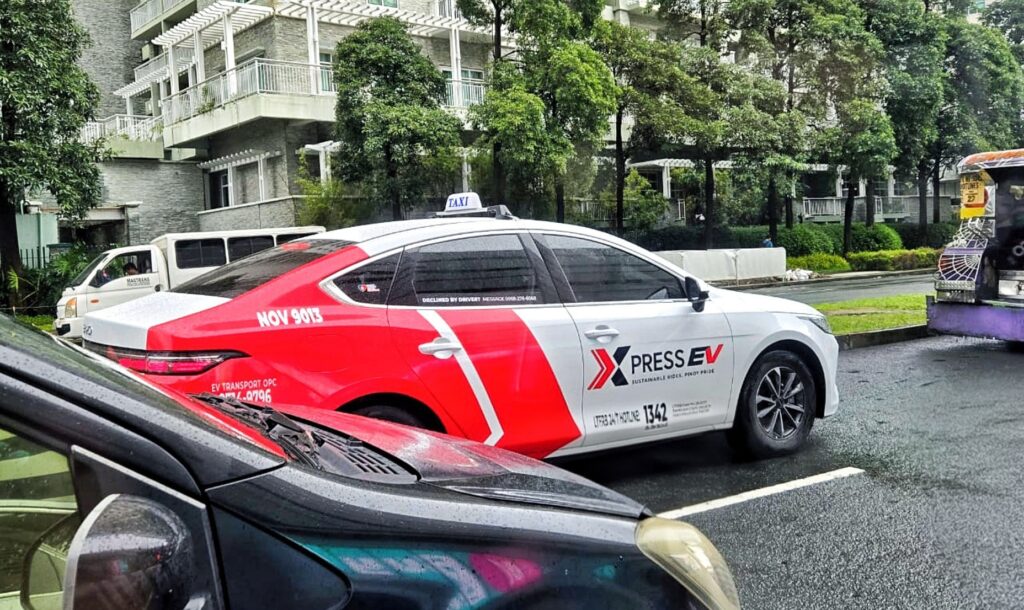
IMAGE CREDIT: Xpress
In the Philippines, commuters are already experts at multi-modal travel. A typical journey mixes passenger cars, buses, jeepneys, tricycles, and app-based services like inDrive and Xpress. The friction comes from separate schedules, disparate payment systems, and zero coordination between transfers.
MaaS doesn’t aim to replace existing transit; it acts as the connective tissue making the broader network easier to navigate. For developing urban centers, success hinges on inclusivity and affordability:
- Platforms must remain usable on basic mobile networks and older devices.
- Fares must accommodate daily commuters across various income levels.
- Systems need to integrate cash or simple digital wallets for non-banked riders.
Moving freight and people side-by-side
The framework goes beyond moving people. Autonomous delivery vehicles and urban logistics fleets rely on the exact same routing, dispatching, and demand-forecasting tools.
During morning peak hours, connected platforms can prioritize passenger vehicles. Off-peak hours can shift capacity toward last-mile package deliveries and cargo, easing mid-day congestion while keeping fleets productive around the clock.
Building trust over the horizon

IMAGE CREDIT: Visa
Building an integrated transportation system comes down to collaboration rather than a single technological breakthrough. Public transit authorities, private mobility operators, payment networks, and local governments must build shared standards for data safety, regulatory oversight, and fair pricing.
The evolution toward fully connected cities will happen in stages — starting with unified payment schemes and real-time route planning, before scaling into dynamic dispatching and autonomous fleets. If implemented with an emphasis on accessibility and public trust, Mobility-as-a-Service could transform urban transport from a daily hassle into a reliable, integrated everyday service.