There is a particular kind of menu fatigue that happens when you start seeing the same word everywhere.
For one diner, it was “swicy.” It appeared on four menus in a single week, prompting a question to a male server: What exactly does it mean? He laughed. Apparently, plenty of diners had been asking the same thing.
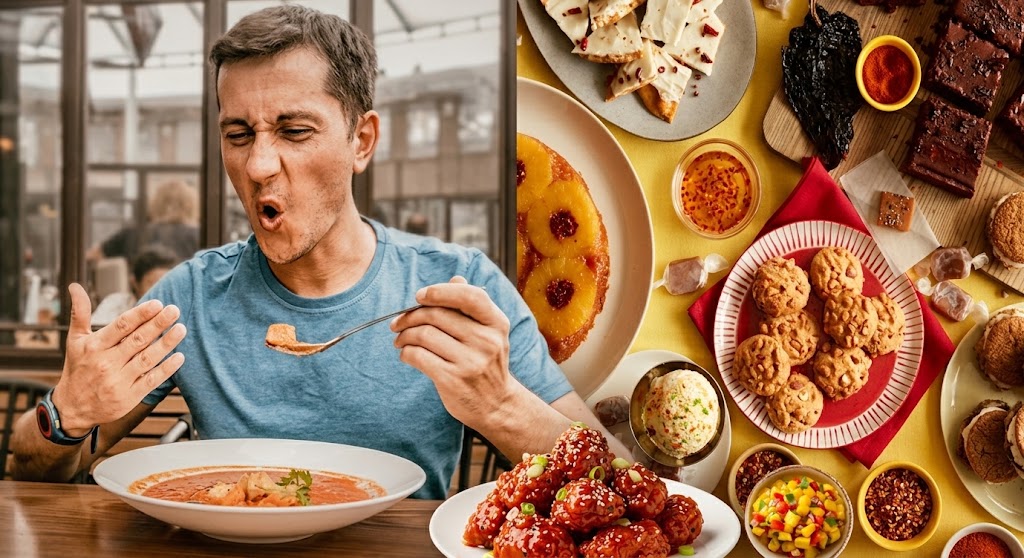
The answer is simple: swicy is short for sweet and spicy — a flavor combination that has moved from social media and snack aisles into restaurant menus, sauces, beverages and contemporary food culture.
The trend has become prominent enough that even major food brands are building entire menu offerings around the flavor pairing.
In January 2026, Dairy Queen (DQ) launched its DQ Swicy Menu in the US, putting the contrast of heat and sweetness at the center of both food and drinks.
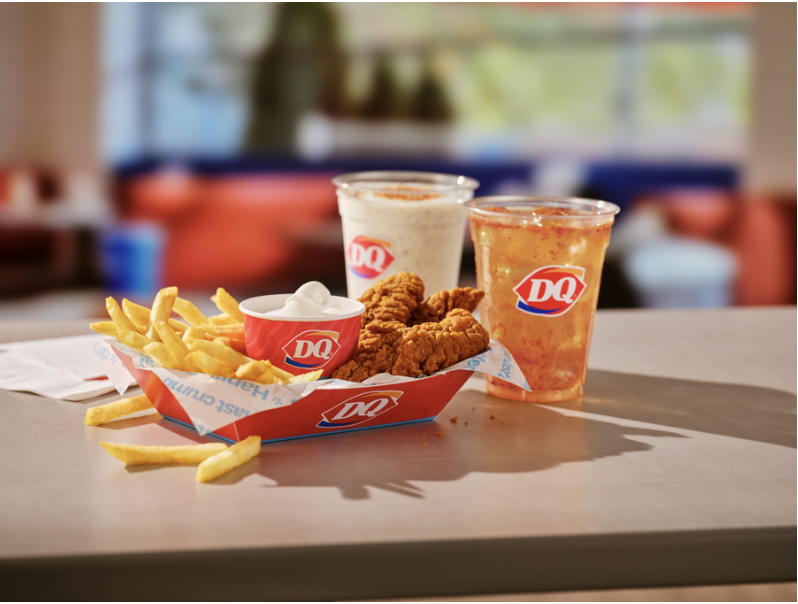
IMAGE CREDIT: Dairy Queen
Its lineup included the spicy and smoky FlameThrower Chicken Strip Basket, featuring four 100% all-white-meat seasoned chicken strips served with fries and Texas toast, alongside a cool and sweet vanilla DQ soft-serve dipping sauce.
The menu also extended the swicy idea to beverages, with Pineapple Lemonade DQ Cooler with Tajín and Pineapple Lemonade DQ Sparkler with Tajín, combining fruit, citrus, sweetness and a chili-lime kick.
It is a telling example of how far the sweet-and-spicy combination has moved from being a niche flavor profile to a mainstream menu idea.
But while the word may feel new, the idea behind it is anything but.
Sweet meets heat
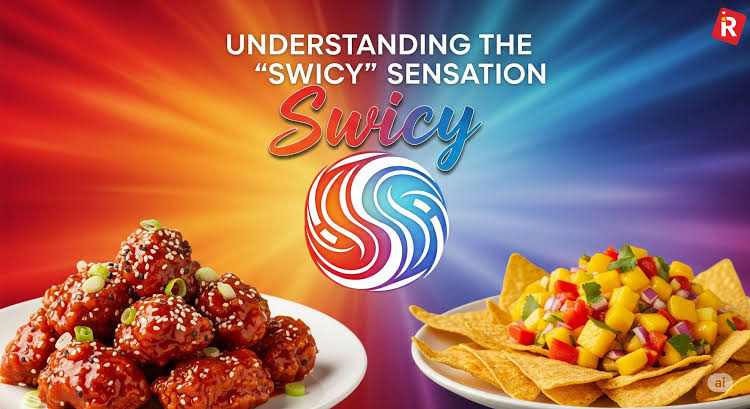
Swicy has gained momentum alongside the growing popularity of Korean and Mexican flavors, helped by streaming shows, social media videos and the continuing influence of Korean culture on Filipino food trends.
One of its biggest drivers has been gochujang, the Korean fermented chili paste known for bringing together heat, sweetness, salt and umami in one ingredient.
Once diners become accustomed to that combination, it becomes easier to recognize — and seek out — similar flavors elsewhere.
That helps explain why swicy has found such a comfortable place on Filipino menus.
Because, really, Filipinos have never been strangers to sweet and savory combinations.
The Filipino connection was already there
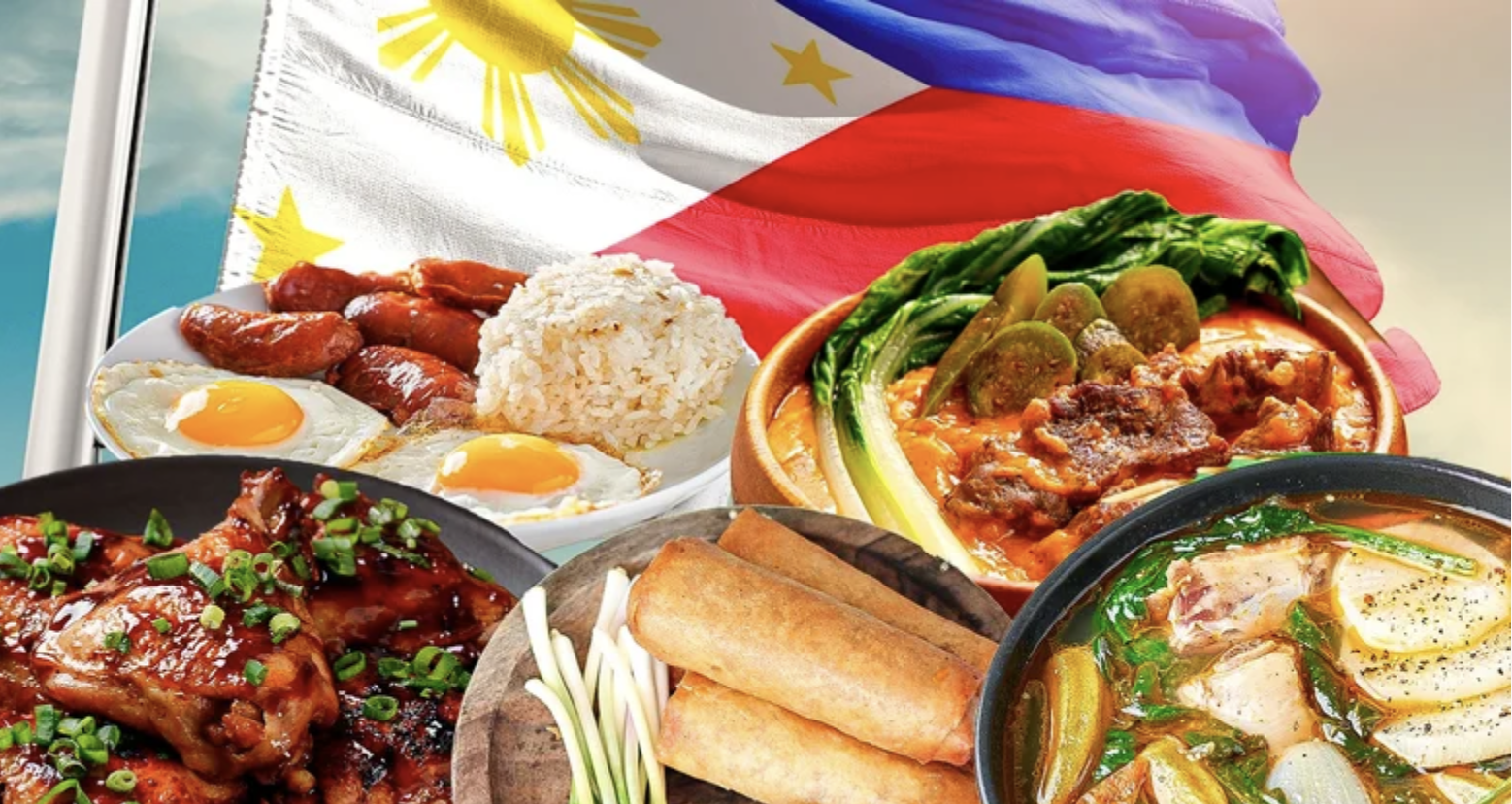
Think banana ketchup. Tocino. Sweet-style spaghetti. Even the many regional interpretations of adobo can involve a touch of sugar.
Filipino cooking has long played with contrasts — sweet against salty, rich against sour, and heat against sweetness.
So, swicy did not necessarily introduce a new flavor to the country.
It simply gave an old instinct a catchy new name.
That may be part of the reason the trend feels so natural here. Rather than requiring Filipino diners to acquire a completely unfamiliar palate, swicy builds on combinations they may already recognize from the food they grew up eating.
Why the combination works
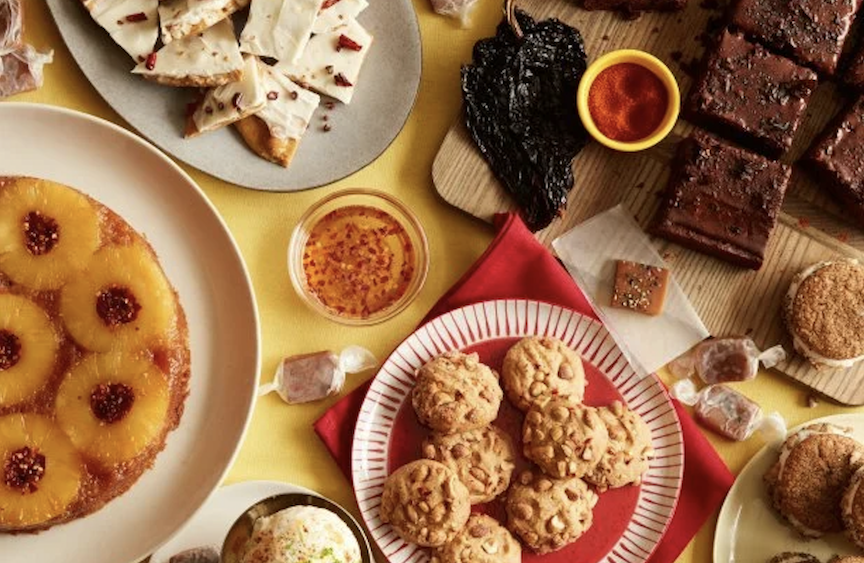
IMAGE CREDIT: Food Network
The appeal of swicy lies partly in the tension between opposing sensations.
Spice creates heat. Sugar softens it. Acidity can sharpen the flavors, while salt and umami give the combination depth.
That makes the profile remarkably versatile.
DQ’s recent menu illustrates just how broad the combination can be. Its chicken strips pair smoky spice with a cool, sweet vanilla soft-serve dip, while its pineapple lemonade beverages add Tajín to a refreshing fruit-and-citrus base.
Even within one menu, swicy can move from crunchy and savory to creamy, fruity and refreshing.
And that versatility is likely one reason restaurants and food brands continue experimenting with it.
What makes a good swicy dish?
The best versions do more than simply add sugar to something spicy.
The sweetness needs to be part of the dish’s structure, rather than a heavy glaze that overwhelms everything underneath it.
Hot honey on properly fried chicken, for instance, works because the sweetness and heat meet the salt and crunch of the chicken. The flavors change as you chew instead of delivering the exact same sensation in every bite.
That movement matters.
A good swicy dish should make you notice the sweet first, the heat next — and ideally leave enough acidity, salt or savory depth to make you want another bite.
When sweet and spicy becomes too much

IMAGE CREDIT: Flying Goose
The trend becomes less interesting when the same formula is applied indiscriminately.
A familiar example is spicy mayonnaise, particularly when a restaurant relies on essentially the same sriracha-and-mayo combination for everything from fries to sandwiches and fried chicken.
The problem is not the combination itself.
It is when every dish starts tasting like the same sauce.
Swicy works best when the sweet and spicy elements complement the ingredients rather than become the entire personality of the dish.
The Filipino secret ingredient: acidity
For anyone experimenting with swicy flavors at home, there is another element worth paying attention to: acid.
Sugar and heat alone can quickly become overwhelming. A little vinegar, calamansi or tamarind can give a sweet-spicy sauce the lift it needs, cutting through the richness and keeping the flavor from becoming flat.
It is an approach not written in the MICHELIN Guide but should feel familiar in Filipino kitchens.
Our food has long understood the value of balancing opposing flavors, whether through vinegar-based dishes, souring agents or fermented ingredients. That same instinct can make contemporary swicy dishes feel more distinctly Filipino.
What comes after swicy?
Food trends rarely stay at their peak forever. Once a flavor combination becomes almost impossible to avoid, diners eventually start looking for something else.
That does not necessarily mean sweet heat will disappear. Instead, the next wave may push menus toward more sour, fermented and citrus-forward flavors — profiles that can already be seen emerging in everything from savory dishes to desserts.
For now, though, swicy remains firmly in the conversation.
And perhaps that is because it is not entirely new to begin with.
Swicy may be the trendiest word on the menu, but sweet heat has been part of the Filipino palate for generations. The difference is that now, we finally have a name for it.