Wellness is no longer just about hitting the gym or following a strict diet. In 2026, Filipinos are approaching this concept in ways that fit into everyday life, from mindful movement and better sleep to healthier food choices, mental resets and digital detoxes.
For a generation constantly balancing work, social media, long commutes and rising living costs, mindful living is becoming less about chasing an ideal lifestyle and more about finding realistic ways to feel better without completely changing how we live.
Wellness is becoming more personal
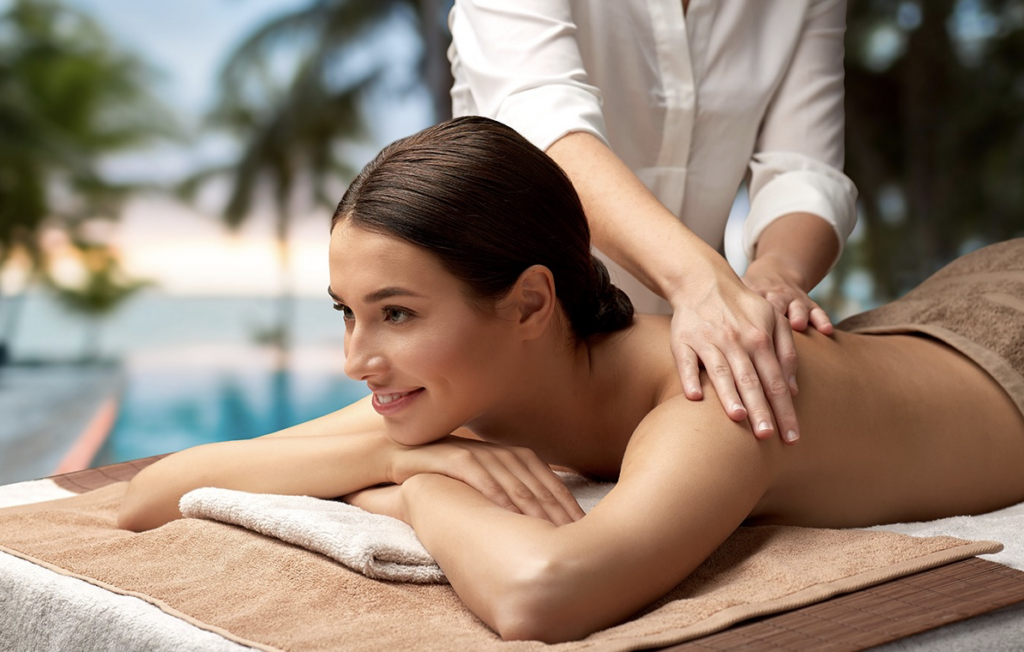
IMAGE CREDIT: Klook
The biggest shift in achieving a balanced lifestyle is that there is no longer one formula that works for everyone.
Some Filipinos are prioritizing physical activity, while others are focusing on mental health, nutrition, rest or simply creating more space away from screens. The result is a more personalized approach to feeling well.
Instead of following every viral wellness hack, people are increasingly asking a more practical question: Does this actually make me feel better?
Walking is having a main-character moment
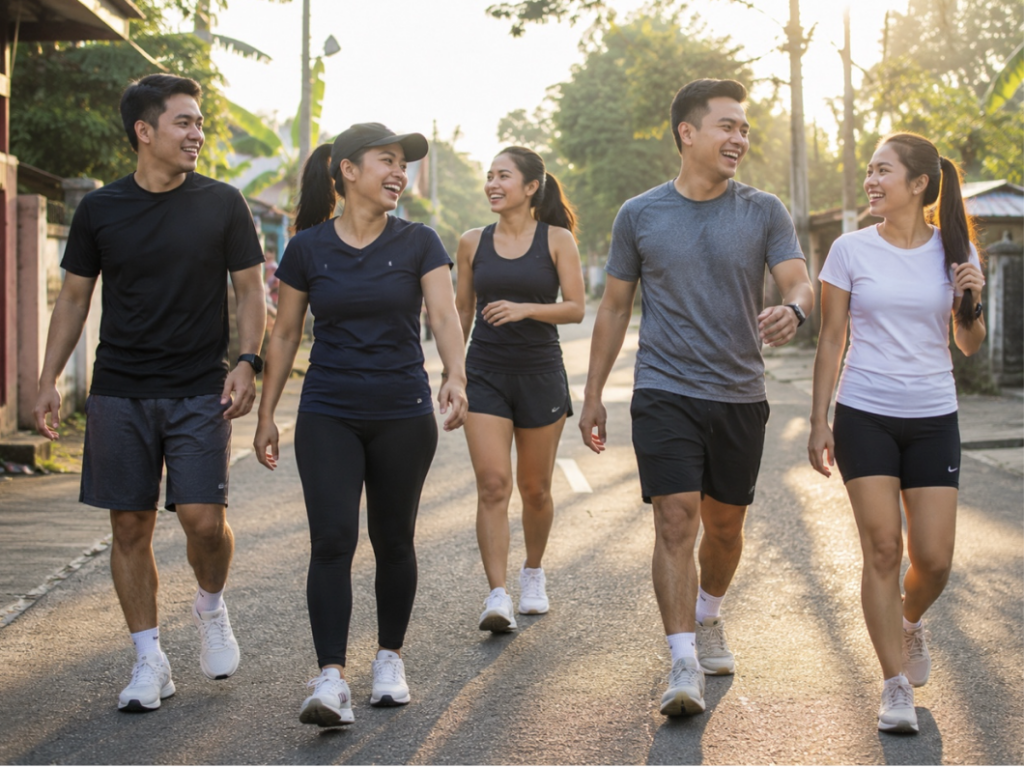
IMAGE CREDIT: Magnific
You do not need an expensive gym membership to become more active.
Walking has become one of the easiest ways for Filipinos to incorporate movement into their daily routines. Whether it is taking an evening walk, exploring a new neighborhood or simply choosing to walk short distances instead of taking another ride, the activity can fit into almost any lifestyle.
It also makes wellness feel less intimidating. No complicated workout plan, matching gym set or fitness influencer required.
Pilates and low-impact workouts keep growing
High-intensity workouts are not disappearing, but low-impact exercise has become increasingly attractive to people looking for movement that feels sustainable.
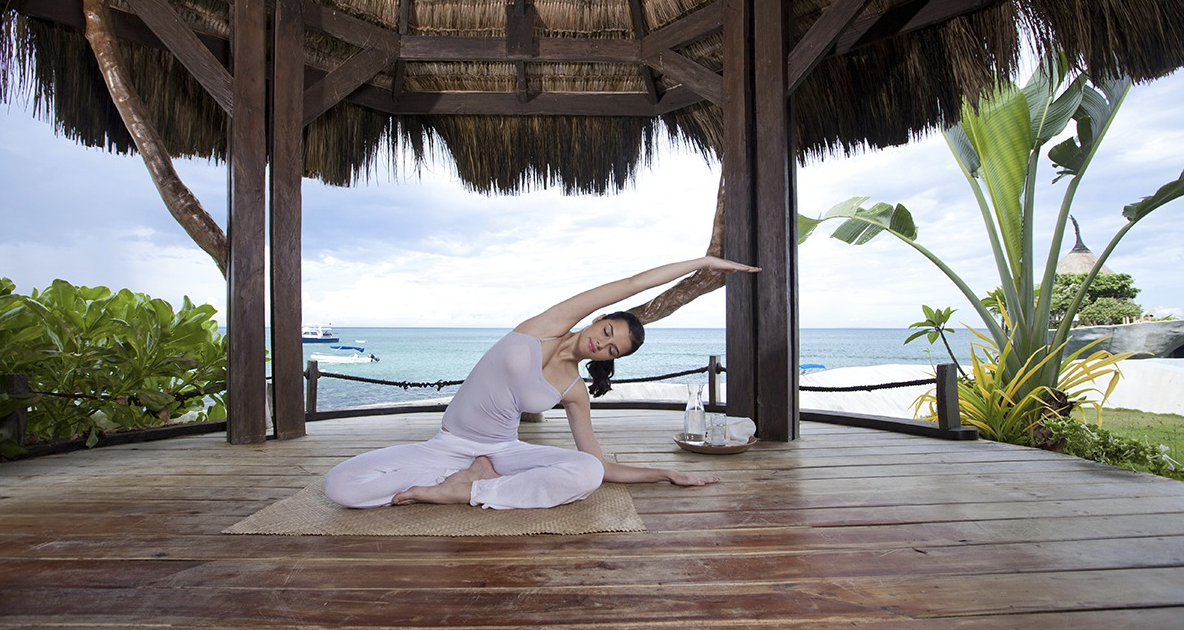
Pilates, yoga, stretching and mobility workouts can be found everywhere online, making them easier to try at home. Studio-based classes have also become popular among young professionals looking for an activity that combines exercise with social and lifestyle experiences.
The appeal is simple: you can work your body without feeling completely destroyed afterward.
Sleep is finally getting the attention it deserves
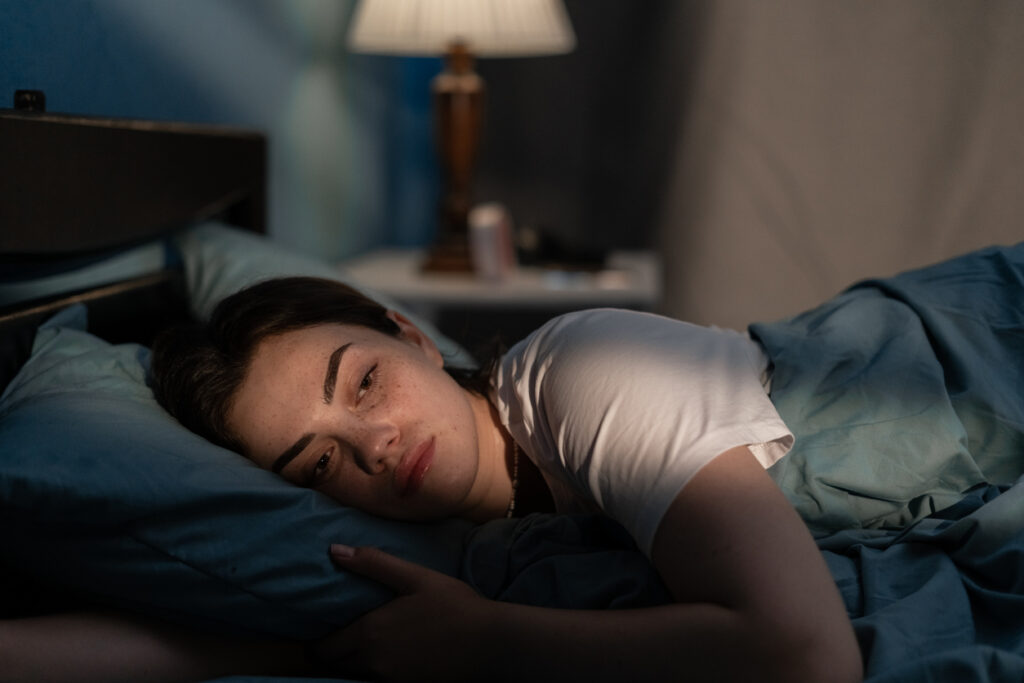
IMAGE CREDIT: istockphotos
Wellness content often focuses on what people should do more of, but sleep is pushing the conversation toward what people should stop sacrificing.
Late-night scrolling, demanding work schedules, long commutes and the pressure to stay constantly connected can make adequate rest difficult. As conversations around burnout and exhaustion become more common, sleep is increasingly being treated as part of a healthy routine rather than something to catch up on during weekends.
For some Filipinos, the ultimate wellness goal might simply be getting to bed on time.
Filipino food is getting a wellness makeover
Healthy eating does not necessarily mean abandoning Filipino food.
Instead, people are finding ways to make familiar dishes work with their health goals. More vegetables, leaner proteins, balanced portions and less processed food can fit naturally into Filipino meals without turning every lunch into a sad salad.
There is also growing interest in regional Filipino ingredients and traditional dishes, particularly those that use fresh, locally sourced ingredients.
The trend suggests that healthy eating does not have to mean choosing between Filipino food and wellness.
Mental wellness is part of the routine
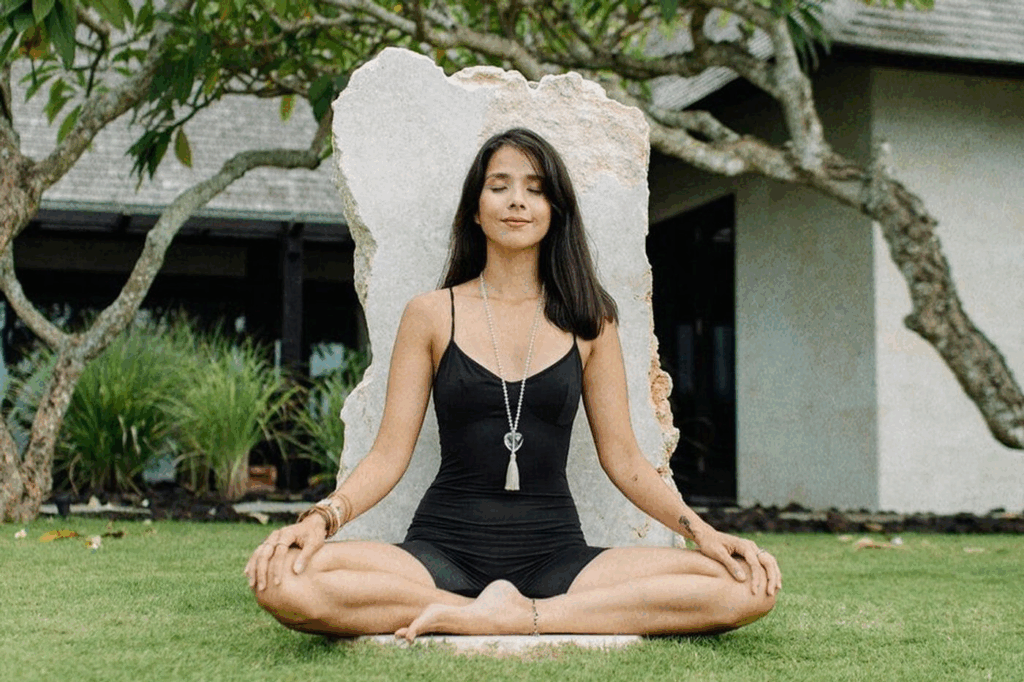
IMAGE CREDIT: Maxene Magalona
The self-care conversation is also becoming less focused on appearance and more focused on how people actually feel.
Journaling, meditation, therapy, spending time with friends, taking breaks and setting boundaries are increasingly being treated as legitimate parts of self-care.
For younger Filipinos especially, protecting mental energy can be just as important as getting enough physical activity.
That could mean saying no to plans, muting notifications, taking a social media break or simply spending an afternoon doing absolutely nothing.
Digital detox is the new “Do not disturb”
It is difficult to talk about modern wellness without talking about smartphones.
Filipinos spend significant amounts of time online for work, entertainment, shopping, communication and social interaction. But being connected 24/7 can also make it difficult to properly disconnect.
Digital detoxes do not necessarily mean deleting every social media app. Sometimes, it simply means putting your phone away during meals, turning off unnecessary notifications or avoiding the instinct to check your screen every few minutes.
In other words, touching grass is officially part of the wellness plan.
Overall well-being is becoming an experience
Another noticeable shift is the way wellness is becoming tied to experiences.
People are looking for activities that allow them to move, relax and socialize at the same time. This can include wellness retreats, nature trips, spa days, yoga sessions, hiking, beach trips or simply spending time somewhere that feels calmer than the usual urban routine.
For younger consumers, wellness can therefore become part of how they travel, spend weekends and discover new places.
The rise of “realistic wellness”
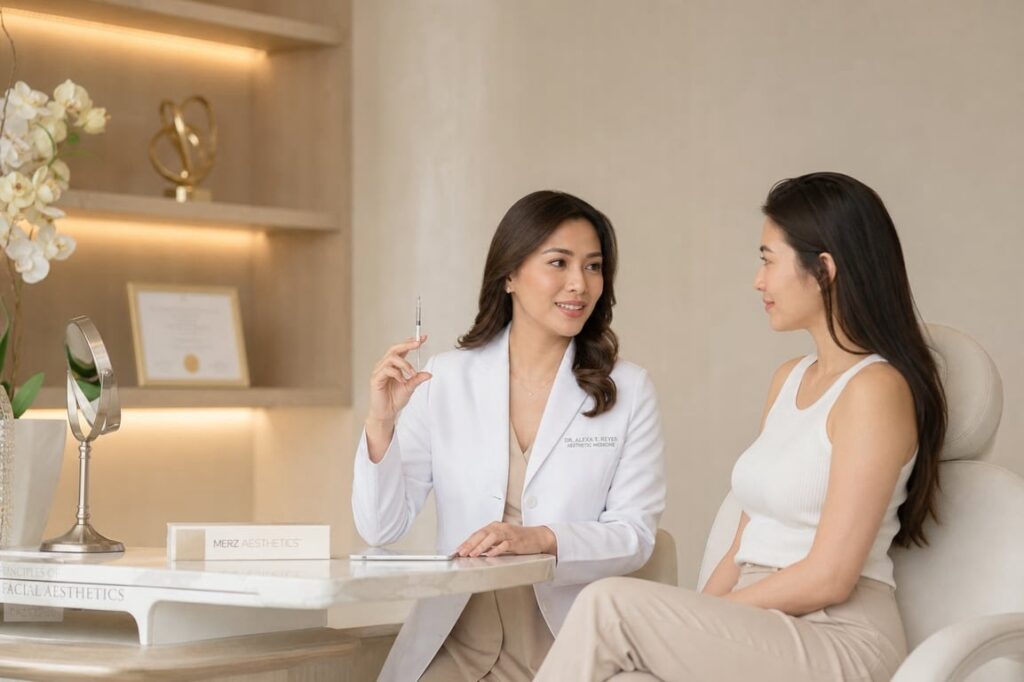
IMAGE CREDIT: MOLD Manila
Perhaps the biggest wellness trend of 2026 is moving away from perfection.
Not everyone can afford expensive supplements, boutique fitness classes, wellness retreats or elaborate meal plans. And not everyone needs them.
For many Filipinos, wellness can look much simpler: getting enough sleep, drinking more water, walking regularly, eating a little better, spending less time doomscrolling and making time for people who make life feel lighter.
The most sustainable wellness routine may not be the most aesthetic one. It is the one you can actually maintain.
Less about looking healthy, more about feeling good
The wellness industry will continue to introduce new trends, products and routines, but Filipinos appear to be becoming more selective about what actually deserves a place in their lives.
Whether it is Pilates, walking, better sleep, healthier Filipino meals or a much-needed social media break, the common thread is practicality.
Because in 2026, wellness does not have to mean becoming a completely different person.
Sometimes, it just means taking better care of the person you already are.