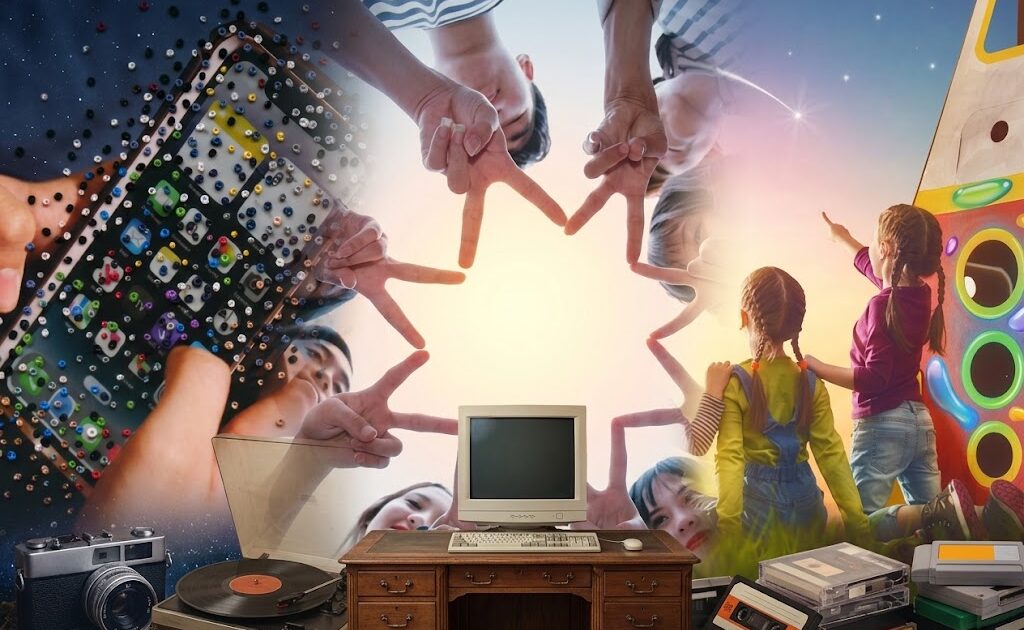
Today’s youth are increasingly looking backward. Across the country, there is a growing movement of young people collecting, preserving, and appreciating the artifacts of decades past.
Their longing for yesterday is not limited to the pop culture of their own childhoods — it reaches back well before the turn of the millennium.
In a world that is now moving at a breakneck pace — where the old is routinely discarded for the next big thing — young people are discovering something enduring and magical in the memories left behind.
The 2010s: A wave of nostalgia sends ripples
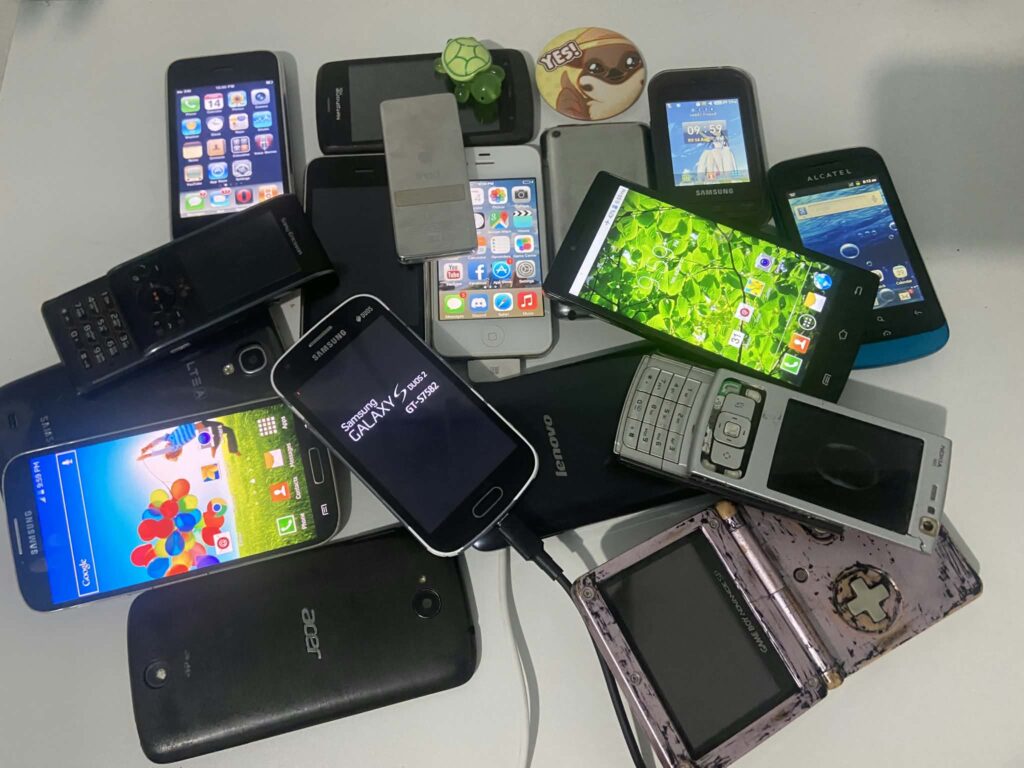
Gadgets from the turn of the millennium until the mid-2010s. (IMAGE CREDIT: @shuutoravt)
While yearning for the warm embrace of nostalgia is nothing new, the 2010s marked a distinct turning point as young consumers grew weary of fast-paced consumerism.
During that decade, vinyl records shifted from a niche hobby into a massive cultural phenomenon, particularly among young audiophiles. Other physical media formats, including cassette tapes and MiniDiscs, also saw a resurgence — defying an era increasingly defined by digital streaming.
By the mid-to-late 2010s, an internet-driven musical aesthetic known as vaporwave took hold. Defined by slowed-down, chopped-and-screwed samples of 1980s and 1990s smooth jazz, R&B, and elevator music, it paved the way for genres like lo-fi and “bedroom pop” to thrive on platforms such as YouTube and SoundCloud.
Simultaneously, retro gaming entered the mainstream. Young enthusiasts began collecting vintage consoles and physical cartridges, seeking a return to a simpler era when games were unburdened by microtransactions and simply meant to be enjoyed.
This retro movement extended into vintage computing, with late-1980s to mid-2000s hardware finding new life among a new generation of hobbyists.
The 2020s: Nostalgia hits its peak

KDE Plasma Workspaces, with their interfaces inspired by the “Frutiger Aero” (IMAGE CREDIT: KDE)
When the COVID-19 pandemic forced millions indoors, isolation sparked a collective deep-dive into the past. People dusted off long-forgotten family relics and used the internet to discover subcultures from previous decades.
The 2020s accelerated visual movements like Y2K and Frutiger Aero —both centered on the optimistic, glossy vision of the future that defined the early 2000s. In an era where modern design often feels corporate, sleek, and sanitized, young people began embracing the expressive, tactile, and vibrant design languages of the past.
Indie game developers capitalized on this shift, creating titles designed to evoke retro vibes and emotional resonance. Games like Until Then offered players a nostalgic glimpse into an era that feels both distant and intimately familiar.
The boom in retro collecting also served a practical purpose. Amid growing anxieties over digital rights management, cloud access, and software ownership, young consumers flocked to second-hand and refurbished markets to secure physical technology they could truly own.
What drives the nostalgic impulse?
What lies behind this generational pull toward the past?
According to Dr. Krystine Batcho, a psychology professor at Le Moyne College, engaging with nostalgic media helps individuals reflect on their identity and make sense of their purpose. It fosters feelings of warmth, comfort, and belonging.
Beyond psychology, nostalgia serves as a quiet rebellion against modern consumer culture. Today’s youth face the forced integration of generative AI into daily tools, the normalization of endless digital subscriptions, and the relentless pressure of hyper-capitalism. Looking back offers a sense of control and authenticity.
Perhaps most importantly, nostalgia creates community. Online and offline spaces dedicated to retro technology, vintage fashion, and forgotten media have brought together like-minded individuals — building connections rooted in shared appreciation, optimism, and inspiration.
Looking back to move forward
The appeal of nostalgia among young people is not merely about a desire to live in the past. In an unpredictable world, looking back is simply a way to find something solid to hold onto.
Many young collectors acquire these pieces not through store shelves, but as hand-me-downs or second-hand discoveries. Though these items may not have originally belonged to their generation, they still carry a tangible sense of history and human connection. Their true value lies not in their age, but in the stories they preserve.
That may be why nostalgia remains so enduring. We cannot return to the past, but the artifacts left behind continue to enrich the present. Sometimes, looking backward is the clearest way to understand where we stand today.