For Gen Z, shopping is no longer simply about finding something new.
Sometimes, it is about finding something that feels like you — even if someone else owned it first.
That may explain why thrift stores, ukay-ukay stalls, vintage shops, and secondhand marketplaces continue to attract a generation that has grown up surrounded by fast fashion and an endless stream of new products.
For young Filipinos, thrifting offers something that conventional retail often struggles to provide: the thrill of the hunt.
You never quite know what you will find.
One rack might have a vintage jacket that looks like it came straight out of another decade. Another might hold a nearly unused designer piece at a fraction of its original price. And sometimes, after digging through piles of clothes, you stumble upon something so unexpectedly perfect that it feels less like shopping and more like winning.
The appeal of finding something different
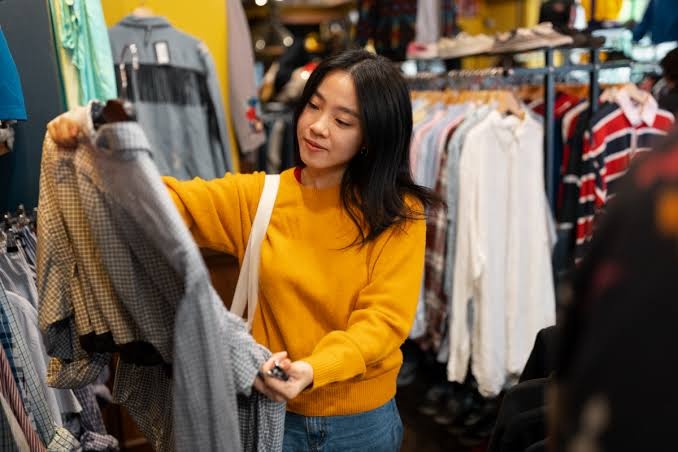
IMAGE CREDIT: Frontiers in Sustainability
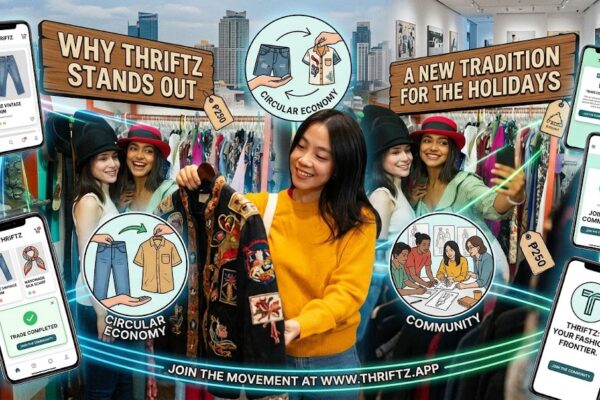
A 2026 study published in Frontiers in Sustainability found that part of thrifting’s popularity comes down to individuality.
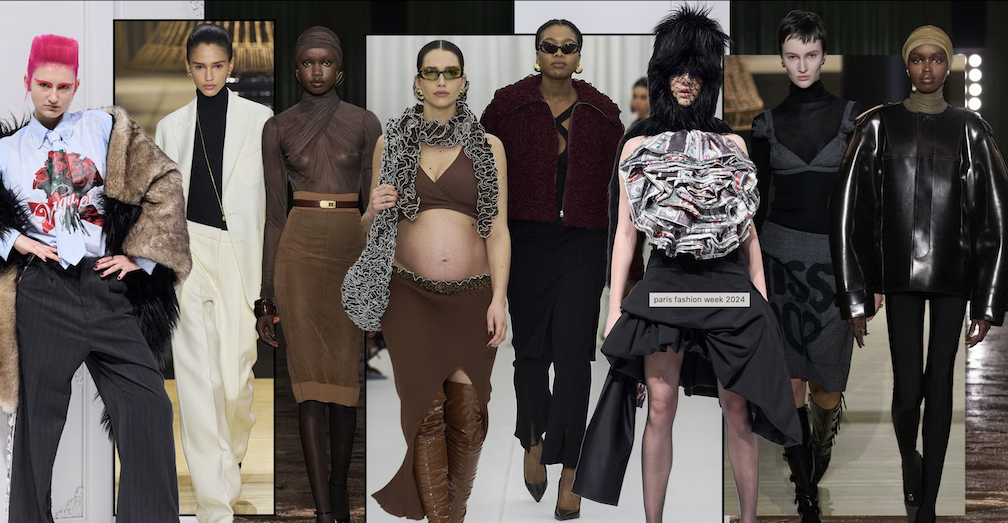
Social media has made fashion trends move faster than ever. A look can become popular on TikTok today and feel overdone a few weeks later. For Gen Z shoppers who want to stand out rather than simply follow the latest trend, secondhand clothing offers an easy way to create a wardrobe that feels more personal.
There is also something satisfying about finding a piece that nobody else in the room is wearing.
A vintage shirt. A forgotten pair of jeans. An oversized blazer. A bag with just the right amount of character.
Thrifting allows shoppers to experiment with their style without necessarily committing to the price tag that often comes with new fashion.
When affordability becomes part of the appeal

IMAGE CREDIT: Magnific
Let’s be honest: price matters.
With everyday expenses continuing to shape how young Filipinos spend their money, getting more value from every peso has become increasingly important.
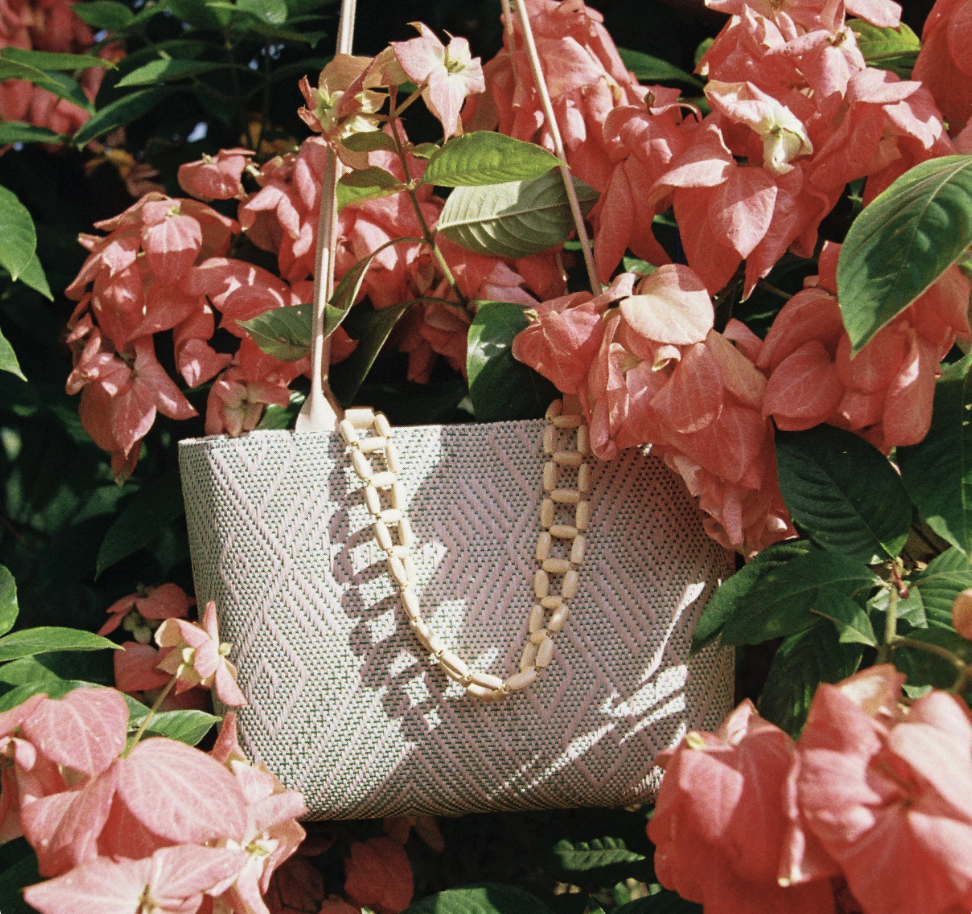
Secondhand shopping can make fashion more accessible, particularly for students and young professionals who want to refresh their wardrobes without spending a significant portion of their income.
A ₱200 or ₱300 find can sometimes deliver the same sense of excitement as a much more expensive purchase.
And unlike scrolling through an online store, thrifting comes with the possibility of discovering a bargain that you were never actually looking for.
That element of surprise is part of the fun. And it just looks like you.
The sustainability conversation
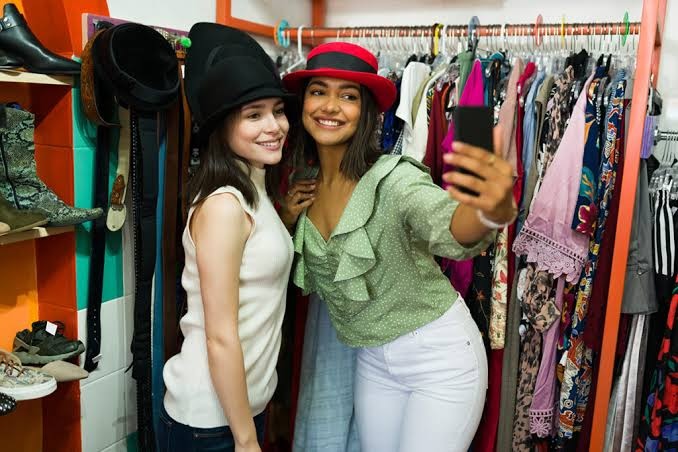
IMAGE CREDIT: Magnific
There is another reason Gen Z is turning to secondhand fashion: sustainability.
Younger consumers have become increasingly aware of the environmental cost of constantly producing, buying, and discarding clothes. While thrifting alone cannot solve the problems associated with fast fashion, extending the life of existing clothing offers a more circular approach to consumption.
Instead of a shirt ending its journey in someone’s closet, or eventually in a landfill, it gets another chance with a new owner.
For some shoppers, that makes the purchase feel a little more meaningful.
It is fashion, but with less pressure to constantly buy new.
From ukay-ukay to TikTok
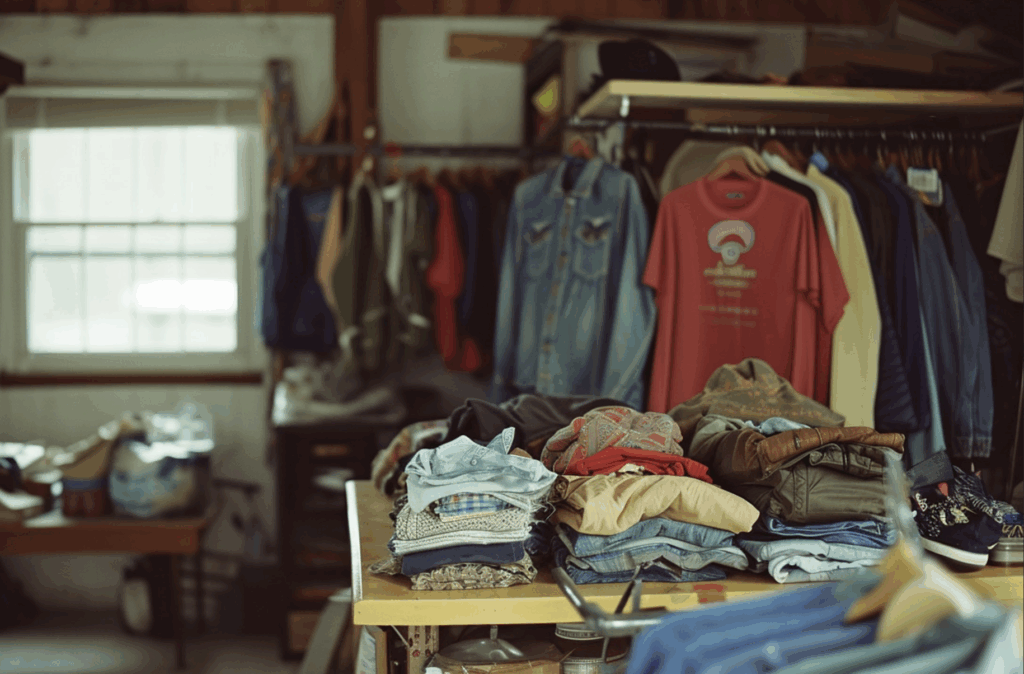
IMAGE CREDIT: Freepik
Perhaps the most interesting thing about the current thrifting boom is how an old habit has been given a distinctly modern makeover.
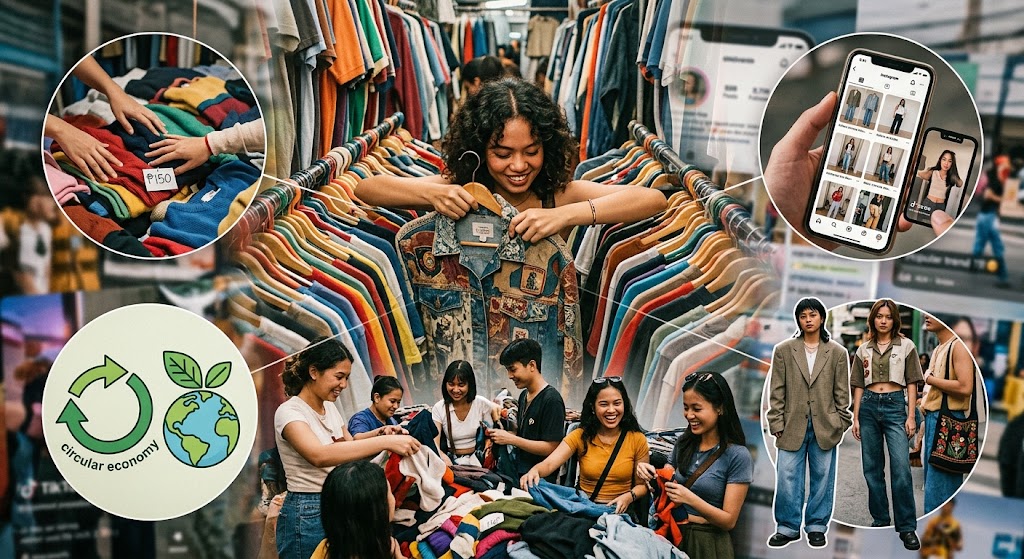
Ukay-ukay has been part of Filipino shopping culture for decades. What may once have been seen primarily as a practical way to find affordable clothes has increasingly become a lifestyle choice and a form of self-expression.
Social media has helped accelerate that shift.
Thrift hauls, vintage finds, styling videos, “what I found at the ukay” clips, and before-and-after outfit transformations have turned the experience into content. The hunt itself has become something worth sharing.
And digital marketplaces have made secondhand shopping even more convenient.
Gen Z can now discover pre-loved pieces without physically walking through rows of clothing racks, while sellers can build entire businesses around curating and reselling vintage and secondhand fashion.
The traditional ukay-ukay experience has, in many ways, moved online.
The joy is in the hunt
Perhaps that is what makes thrifting particularly appealing to Gen Z.
It combines several things that matter to today’s young shoppers: affordability, individuality, sustainability, and the opportunity to discover something unexpected.
But beyond all of those reasons is something much simpler.
Thrifting is fun.
There is a certain satisfaction in finding the one piece hidden among dozens of others. It feels personal. It feels earned. And when you find something great for a fraction of what you might have paid elsewhere, it feels even better.
In a shopping culture increasingly dominated by algorithms that tell us what to want next, thrifting offers something refreshingly unpredictable.
You don’t always know what you’re looking for.
You just know you’ll know it when you find it.
There’s something personal about finding it yourself

IMAGE CREDIT: Freepik
Maybe this is why thrifting has survived every new shopping trend.
Shopping online is convenient. Fast fashion is predictable. Malls are organized.
Ukay-ukay is messy.
You have to look.
You have to dig.
You have to decide whether that slightly oversized jacket is actually cool or whether you’re simply convincing yourself because it costs ₱150.
And when you finally find something great, the satisfaction is different.
It’s not just that you bought something.
You found it.
More than a shopping habit
For Gen Z, thrifting has become a combination of affordability, self-expression, social discovery, and conscious consumption.
It also fits neatly into a generation that values individuality. Instead of asking, “What’s everyone wearing?” the better question becomes, “What can I find that feels like me?”
That may explain why thrifting continues to remain relevant even as shopping becomes increasingly digital.
The ukay-ukay may have started as a practical destination, but for a new generation, it has become something more interesting: a place where fashion feels less predictable, more personal, and occasionally a lot more fun.
Because in a world where algorithms can recommend almost everything we buy, there is still something satisfying about discovering something on your own.
And really, where else can you walk in looking for a plain shirt and walk out feeling like you just won a fashion lottery?