“Deserve ko ‘to.”
It’s a phrase many Filipinos have probably said after a long week at work, a stressful day, or simply because payday has arrived.
Maybe it’s an iced coffee after surviving a busy morning. Maybe it’s a new pair of shoes, a skincare product, a restaurant meal, or something sitting in an online shopping cart for weeks. These purchases may not be essential, but they can provide a quick feeling of happiness.
The idea of treating yourself has become deeply connected with modern self-care. But why does spending money on ourselves feel so good? And when does a harmless reward become a habit of emotional spending habits?
Why Buying Something Feels Like a Reward
Purchasing something we want can activate the brain’s reward system. Anticipating a purchase, choosing an item, and finally getting it can all create a sense of pleasure and satisfaction.

This is one reason shopping can feel particularly appealing after a difficult day. The purchase provides something immediate and tangible to look forward to.
It doesn’t necessarily mean every treat-yourself purchase is an impulse buy. Sometimes, spending on something enjoyable is simply part of having a balanced lifestyle.
The important factor is understanding why you’re making the purchase.
The “I Deserve This” Effect
Treat-yourself spending often follows an emotional exchange: we experience something difficult, then reward ourselves for getting through it.

A demanding week at work might lead to an expensive dinner. Completing a major project might justify new clothes. Getting through a stressful month might become an excuse for a weekend staycation.
The purchase becomes symbolic. You’re not just buying an item or experience. You’re telling yourself that your effort has been recognized.
This can be positive when the reward is intentional and affordable. Problems arise when shopping becomes the primary way of coping with stress, sadness, boredom, or frustration.
Social Media Makes Treating Yourself Easier
Social media has also changed the way people think about self-reward.

TikTok, Instagram, and other platforms constantly expose users to products, restaurants, travel destinations, beauty treatments, and lifestyle experiences. Seeing other people enjoy these things can create the feeling that we should be enjoying them too.
Influencer marketing can make purchases feel less like advertising and more like recommendations from a friend.
The result is a culture where “you deserve it” can appear alongside a product only a few taps away.
Small Purchases Can Add Up
A single ₱200 coffee may not seem significant. Neither does a ₱500 dinner, ₱300 beauty product, or ₱700 online purchase.
The problem can emerge when these small rewards happen repeatedly.
Because each purchase feels relatively harmless, it’s easy to underestimate the total amount spent over a month. This is especially relevant when shopping apps, digital wallets, and one-click payments make transactions almost effortless.
This is where self-care spending Philippines can become a financial concern. Taking care of yourself should not consistently come at the expense of your financial goals.
Is It Self-Care or Emotional Spending?
One useful question to ask before buying something is: “Would I still want this if I weren’t having a bad day?”
If the answer is yes, the purchase may simply be something you’ve genuinely wanted.
If the answer is no, it may be worth pausing.
Other questions can help too:
- Can I comfortably afford this?
- Have I already bought something similar?
- Am I purchasing this because I need it or because I want to change how I feel?
- Will I still be happy with this purchase tomorrow?
- Does this purchase interfere with my savings goals?
A short pause can prevent an emotional decision from becoming buyer’s remorse.
Treating Yourself Doesn’t Have to Cost Money
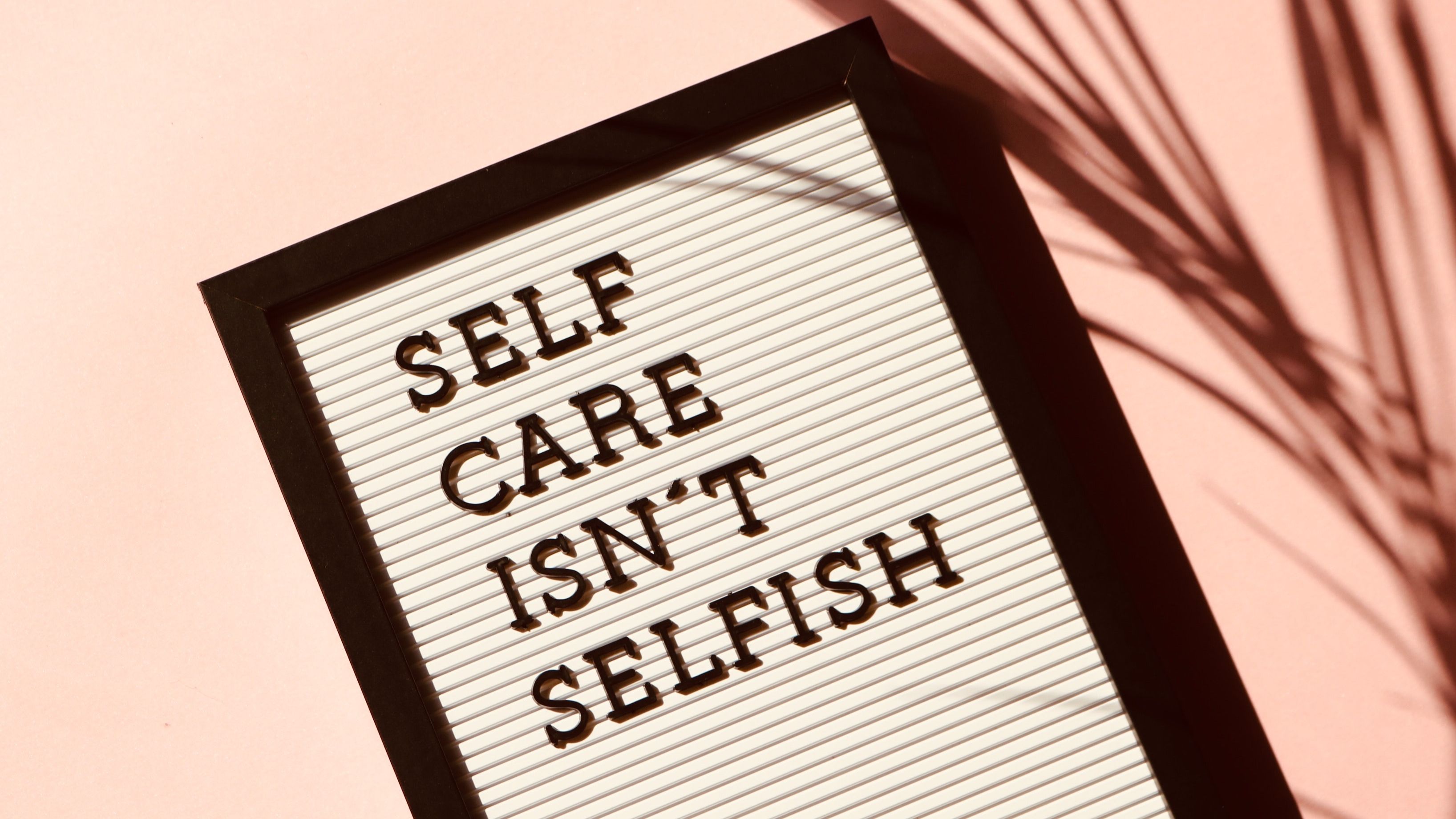
Perhaps the biggest misconception about self-care is that it requires spending.
A treat can be as simple as taking a long walk, watching a favorite movie at home, reading a book, cooking something special, taking an afternoon nap, or spending uninterrupted time with friends and family.
These activities can provide the same sense of reward without affecting your budget.
The goal isn’t to eliminate spending on things you enjoy. It’s to expand the definition of what makes you feel cared for.
Finding a Healthier Relationship With Spending
There’s nothing inherently wrong with buying yourself something nice.
In fact, planned discretionary spending can be part of a healthy financial lifestyle. Giving yourself permission to enjoy some of your money can make budgeting feel less restrictive and more sustainable.
The key is intentionality.
Instead of automatically reaching for your wallet whenever you’re stressed, create a personal “fun money” budget. Set aside an amount you can spend guilt-free each month, then enjoy it without feeling like every small purchase needs to be justified.
You Can Deserve It Without Buying It
The “treat yourself” mindset isn’t necessarily about shopping. At its heart, it’s about recognizing that you deserve rest, enjoyment, and meaningful experiences.
Sometimes that might mean ordering your favorite meal. Other times, it might mean closing your laptop early and taking a quiet evening for yourself.
The healthiest approach is not to stop treating yourself, but to become more intentional about what a treat actually means.
Because yes, you deserve it. Just make sure what you deserve isn’t followed by a credit card bill—or an empty savings account—you’ll regret later.