For many Filipinos, the day starts with a phone alarm and ends with one last scroll through social media. Between work messages, TikTok videos, online shopping, streaming platforms, and group chats, being connected has become part of everyday life.
But as screens take up more of our attention, some people are beginning to ask a simple question: Do we really need to be online all the time?
IMAGE CREDIT: LinenMe
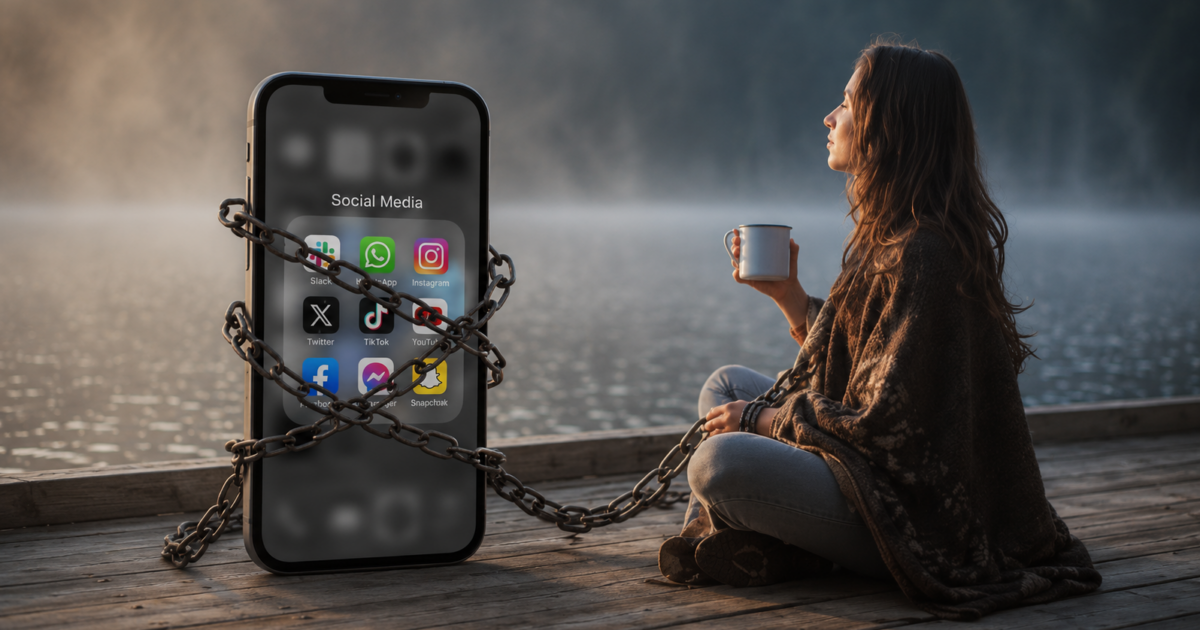
That question is helping fuel interest in digital minimalism in the Philippines, a lifestyle approach that encourages people to be more intentional about the technology they use.
Rather than abandoning smartphones or deleting every social media account, digital minimalism is about deciding which digital tools genuinely add value and reducing the rest.
What is digital minimalism?
Digital minimalism is more than simply spending less time on your phone.
IMAGE CREDIT: The Art of Digital Minimalism
The concept, popularized by author and computer science professor Cal Newport, encourages people to carefully evaluate the role technology plays in their lives. Instead of automatically using every app, platform, and notification available, digital minimalists focus on technology that supports their values and goals.
That could mean deleting apps that encourage endless scrolling, turning off unnecessary notifications, or setting specific times for checking social media.
The goal isn’t to reject technology. It’s to make sure technology works for you rather than constantly competing for your attention.
Why Filipinos may be looking for a digital reset
The Philippines has a highly connected population, with social media and smartphones deeply integrated into everyday communication, entertainment, shopping, and work.
For many Filipinos, being online is also part of maintaining relationships. Overseas family members use messaging apps and video calls to stay connected, while businesses rely heavily on social media to reach customers.

IMAGE CREDIT: Asia Media Centre
But constant connectivity can also make it difficult to disconnect.
Notifications can interrupt meals, work, conversations, and sleep. A few minutes of checking social media can easily turn into an hour of scrolling. Over time, some people may feel mentally exhausted despite spending much of their day doing relatively little physical activity.
This has made the idea of a digital detox Philippines lifestyle increasingly appealing to people looking for a healthier relationship with their devices.
It’s not about throwing away your phone
Digital minimalism doesn’t require going completely offline.
For someone who depends on their phone for work, banking, navigation, or family communication, a technology-free lifestyle simply isn’t practical.
IMAGE CREDIT: Vecteezy
Instead, small changes can make a difference. Turning off nonessential notifications, removing distracting apps from the home screen, creating phone-free meals, or keeping your phone away from your bed can help create boundaries.
Some people also choose specific hours during the day when they don’t check social media or email.
The important thing is to create a digital environment that supports your priorities rather than constantly distracting from them.
Social media is one of the biggest challenges
Social media can be particularly difficult to manage because platforms are designed to keep users engaged.

IMAGE CREDIT: LinkedIn
Endless feeds, personalized recommendations, notifications, and short-form videos make it easy to continue scrolling without realizing how much time has passed.
One approach to how to reduce screen time is to identify which platforms consume the most attention and set realistic limits.
Instead of trying to quit everything at once, users can start by removing one unnecessary app, unfollowing accounts that contribute to stress, or checking social media only at predetermined times.
The return of offline hobbies
Interestingly, digital minimalism can also encourage people to rediscover activities that don’t require a screen.

IMAGE CREDIT: 12 Best Offline Hobby Kits to Try in 2026
Reading physical books, journaling, cooking, exercising, gardening, visiting cafés, exploring local destinations, playing board games, or simply having conversations without phones can provide a different kind of satisfaction.
For some Filipinos, this could mean spending Sunday afternoons with family instead of scrolling through social media or choosing a quiet coffee date without constantly documenting the experience.
These activities aren’t necessarily new. What’s changing is the renewed appreciation for doing them without a digital audience.
Can digital minimalism become a lifestyle trend?
The growing interest in mindful technology use suggests that digital minimalism could become more than another short-lived wellness trend.
As technology becomes increasingly integrated into work, entertainment, shopping, and social relationships, people may become more conscious about how much attention they give to their devices.
The irony is that technology itself may help people achieve this balance. Screen-time trackers, app limits, focus modes, and notification controls can help users understand and manage their digital habits.
The future may not be completely screen-free. Instead, it could be about being more selective about when and why we use screens.
A more intentional digital life
Technology isn’t inherently good or bad. What matters is how we use it.
For Filipinos who feel overwhelmed by constant notifications, endless scrolling, or the pressure to always be available, digital minimalism offers a practical alternative: keep the technology that genuinely improves your life and let go of what doesn’t.
Maybe the next big lifestyle trend won’t be about buying something new. Maybe it will be about learning when to put the phone down.
In a world that constantly asks for our attention, choosing where to give it could become one of the most valuable forms of self-care.