Cooking, how home-based food businesses in the Philippines became a digital business model is best understood inside kitchens like this one in Quezon City.
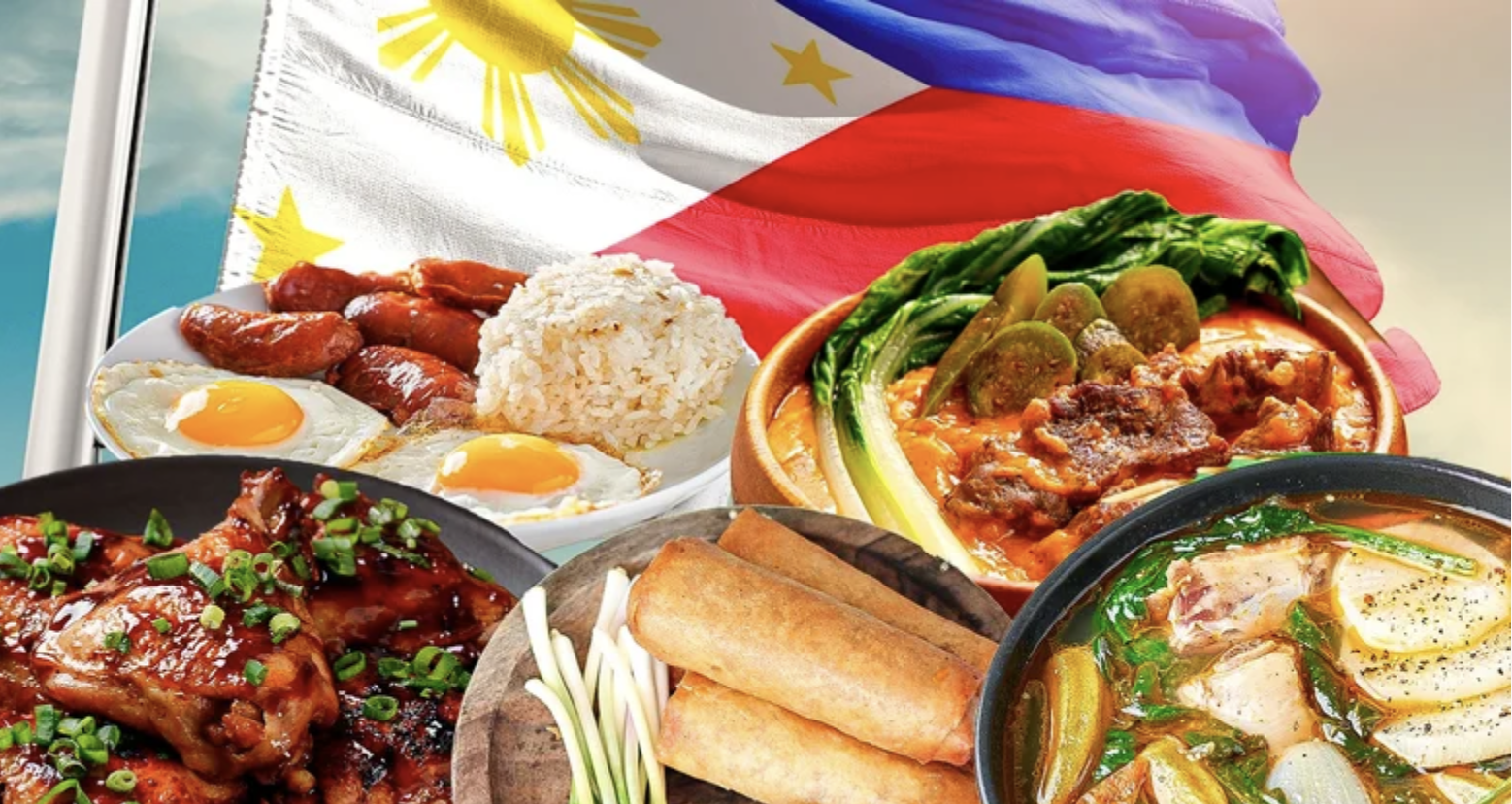
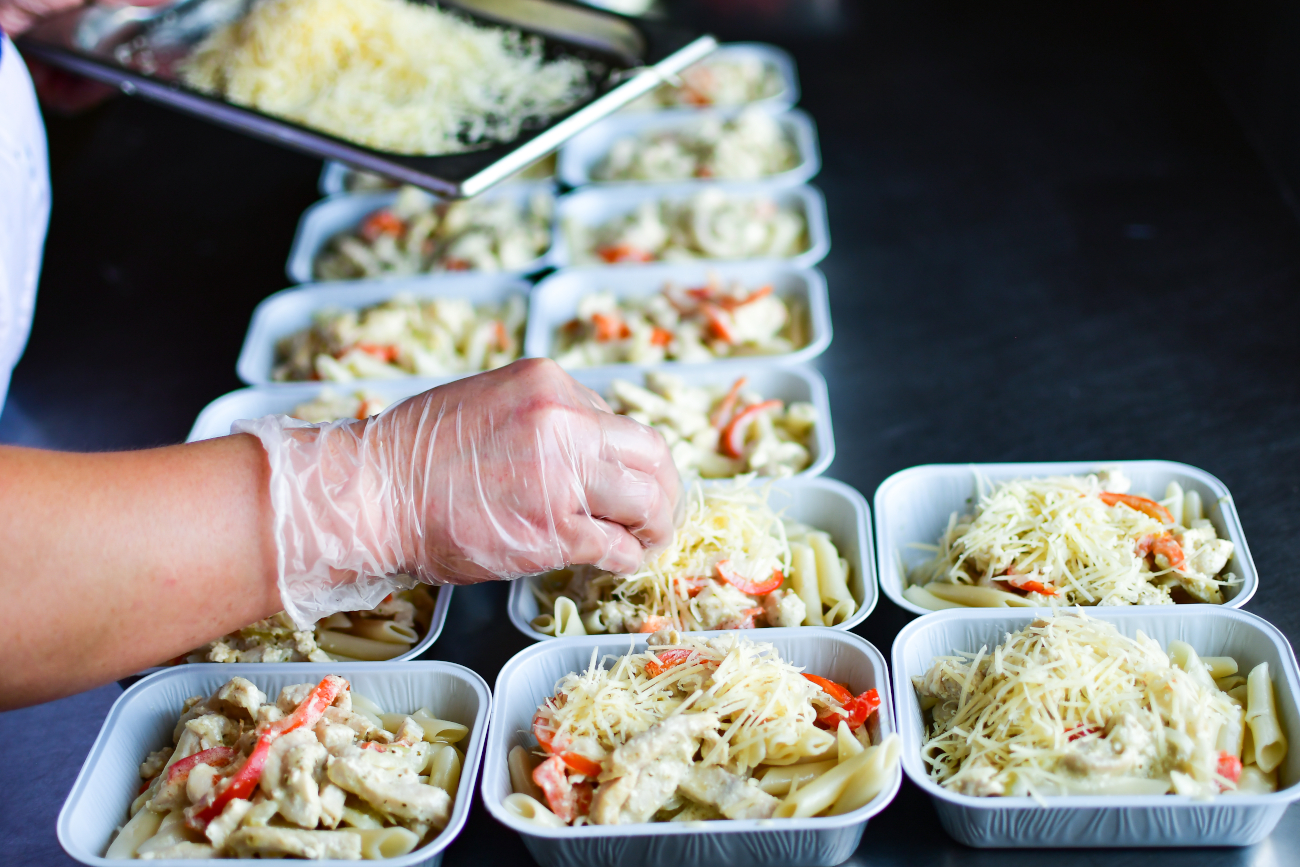
By 8 a.m., the townhouse kitchen is already in full swing. Chicken adobo simmers slowly in soy and vinegar, its aroma settling into the walls. Trays of home-cooked spaghetti rest on the counter beside neatly arranged containers, ready for sealing. A pan of chicken sisig crackles as it’s plated, while gising-gising is spooned carefully into bilao trays for midday pickup. Later, thin slices of beef will hit the pan for pork steak orders scheduled for evening delivery.
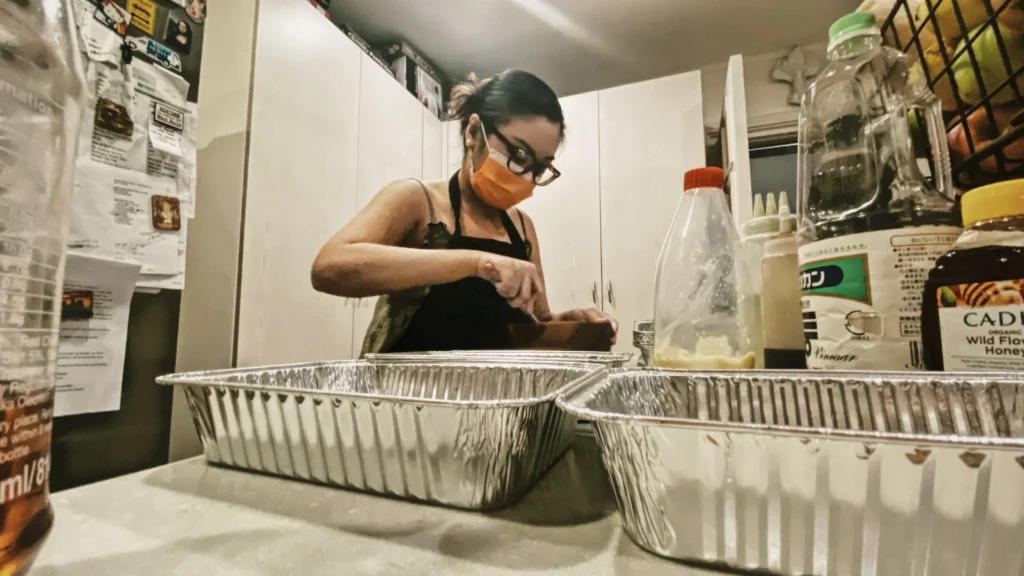
The dining table has been cleared of placemats and replaced with packing tape, thermal bags, and a laminated QR code propped up near the sugar jar. The phone, placed carefully within reach, lights up every few minutes.
Orders are confirmed not by waitstaff, but by notifications.
Across urban neighborhoods and provincial towns alike, home-based food businesses in the Philippines have transformed ordinary kitchens into small but disciplined operations. What began during lockdowns as a means of survival has evolved into a sustainable model of micro-entrepreneurship—one powered by social media visibility, delivery logistics, and digital payments.
From heirloom recipes to digital menus
When Elisa Reyes lost her job in events management in 2020, she returned to recipes she had grown up cooking. Her chicken adobo had always been a family favorite; her spaghetti was requested at nearly every birthday gathering. Initially, she prepared meals only for relatives who missed home-cooked dishes during movement restrictions. Soon, friends began asking if they could place orders for small celebrations.

Her entry into business required no storefront or formal launch. She uploaded photos to the townhouse’s Facebook group, listed prices in the caption, and included her GCash number in the comments. Orders arrived through Messenger. Payments were transferred before cooking began. Deliveries were arranged through third-party rider apps.
The process felt informal at first, but repetition introduced structure. She implemented weekly menus to manage ingredient costs, set order cut-offs to control volume, and required full payment to avoid cancellations. What started as a temporary income stream gradually became routine.
The strength of many home-based food businesses in the Philippines lies in this blend of familiarity and adaptation. Sellers rely on dishes that resonate—adobo, sisig, spaghetti trays for office potlucks—while adopting digital tools that expand their reach beyond immediate circles.
Social media as storefront and signal
In the absence of physical signage, visibility depends on algorithms.
Facebook pages function as storefronts. Instagram feeds double as menus. Short-form videos on TikTok showcase the sizzle of chicken sisig hitting a hot plate or the glossy finish of freshly cooked pork steak. Even simple kitchen snapshots can generate inquiries if posted consistently.
For 29-year-old Angelo Cruz of Cavite, who began selling marinated meats and ready-to-heat viands from his family home, content quickly became inseparable from cooking. He learned to plate dishes near windows for better lighting and to film short clips during peak cooking moments.


“If you don’t post regularly, people assume you’re closed,” he said.
Engagement requires attentiveness. Messages must be answered promptly. Comments need clarification on pricing or delivery coverage. Updates about sold-out items are posted in real time.
This digital upkeep forms an invisible layer of labor. Beyond chopping onions and marinating meat, sellers manage inquiries, track payments, and coordinate riders—all from a single device. The smartphone becomes as essential as the stove.
The stabilizing role of digital payments
Perhaps the most significant shift enabling home-based food businesses in the Philippines has been the normalization of digital wallets. Platforms such as GCash and Maya have removed much of the friction associated with small-scale transactions.
Before, sellers relied heavily on cash-on-delivery arrangements, which exposed them to canceled orders and logistical delays. Now, most require payment confirmation before food preparation begins. “Paid orders only” has become standard policy.
Prepayment protects margins. It allows sellers to purchase ingredients with greater certainty and reduces food waste. It also builds a more reliable workflow: once payment is received, production can be scheduled efficiently.
Digital payments have widened customer reach as well. A customer in Makati can send a tray of spaghetti or gising-gising to relatives in Pasig without physically handling cash. Transactions are completed within minutes, often confirmed by a screenshot.

In effect, fintech tools—often discussed in corporate contexts—have quietly strengthened kitchen-level enterprises.
Navigating scale and sustainability
While the model appears accessible, it is not without strain. Rising ingredient prices can quickly erode profits. Delivery fees fluctuate depending on demand and weather. Algorithm changes on social media platforms can reduce post visibility overnight.
Space limitations also affect output. A standard household refrigerator can only store so much marinated meat. A four-burner stove restricts how many dishes can be cooked simultaneously. Production must be planned carefully around available equipment.
Some sellers formalize operations by registering with the Department of Trade and Industry or securing barangay permits. Others remain informal, relying on neighborhood trust and repeat customers. The boundary between hobby and enterprise often remains fluid.
Yet flexibility is precisely what sustains the model. Sellers can adjust menus weekly, suspend operations temporarily, or limit production during personal commitments. Growth does not always mean expansion; for many, stability is the goal.
Redefining domestic space
Several years after their surge in popularity, home-based food businesses in the Philippines are settling into a quieter phase. Not every seller continues. Some return to full-time employment as opportunities reopen. Others scale modestly, renting small commissary spaces or investing in better equipment.
For many, however, remaining home-based is intentional.
Elisa now accepts pre-orders twice a week and occasional catering requests. She has organized her kitchen for efficiency and carved out clear preparation schedules. The dining table transforms into a packing station only during peak hours, reverting to family use by evening.

The shift is not just economic; it is spatial. The Filipino home has absorbed new functions. The refrigerator stores both groceries and business inventory. Group chats operate as customer databases. QR codes replace cash registers.
Cooking remains the foundation, but clicking and collecting are now part of the routine.
In countless households across the country, entrepreneurship no longer begins in commercial districts or mall food courts. It begins in kitchens—where chicken adobo simmers beside a smartphone, and a simple notification signals the next order.