As conversations around climate change and responsible consumption continue to grow, the restaurant industry is finding new ways to reduce its environmental impact.
One approach that is gaining momentum is sustainable dining.
More than just serving good food, sustainable dining encourages restaurants to adopt practices that minimize waste, support local producers and make better use of natural resources without compromising the dining experience.
As consumers become more conscious of where their food comes from and how it is produced, sustainability is increasingly becoming part of the conversation whenever people choose where to eat.
Why sustainable dining matters
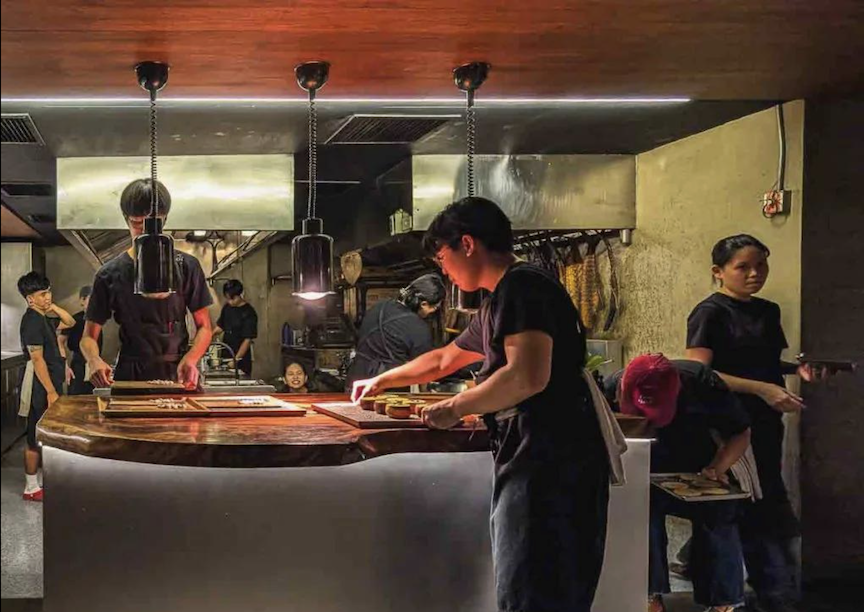
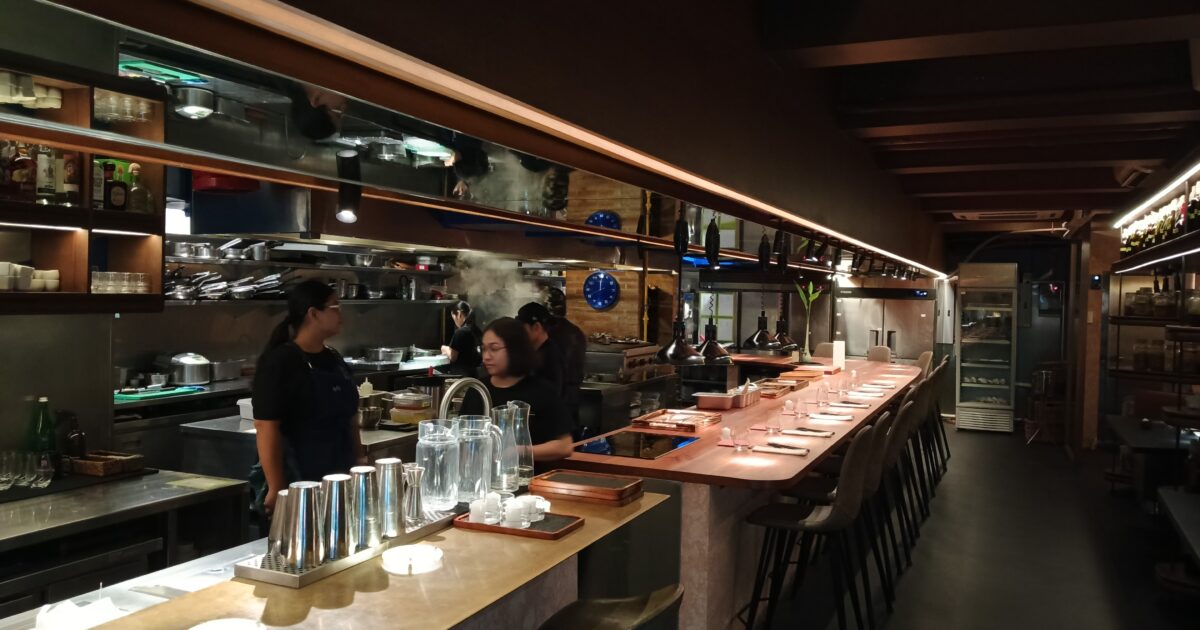
Metiz, one of sustainable dining restaurants located in Makati. (IMAGE CREDIT: TravelingFoodie)
Sustainable dining goes beyond using eco-friendly packaging or eliminating plastic straws. It looks at every stage of a restaurant’s operations — from sourcing ingredients to managing waste — to reduce its overall environmental footprint.
One of its key principles is minimizing food waste. Many restaurants now practice nose-to-tail and root-to-stem cooking, preserve seasonal ingredients through techniques such as fermentation, and source produce locally whenever possible. These efforts not only reduce waste but also help lower emissions associated with transporting food over long distances.
Technology is also beginning to play a role. Some restaurants are using artificial intelligence and data analytics to better forecast demand, optimize inventory and identify areas where food waste can be reduced.
Sustainable dining also resonates with diners who value responsible consumption. More customers today are choosing establishments that support local farmers, promote ethical sourcing and are transparent about where their ingredients come from.
Many restaurants have likewise expanded their menus to include more plant-based dishes and sustainably sourced seafood, giving diners environmentally conscious options without sacrificing flavor.
These practices also contribute to several of the United Nations Sustainable Development Goals (SDGs), including responsible consumption and production, climate action and support for local communities.
- Zero-waste – It encourages measures such as efficient waste management using locally sourced products, and reducing carbon footprint by reducing food waste. With the help of today’s technology such as artificial intelligence (AI), restaurants are able to effectively evaluate their menus for environmental impact.
- For the conscious customers – Not only is sustainable dining environmentally friendly – it also appeals to the conscious customers who wish to seek options that align with their lifestyle and values. Customers prioritize restaurants that support responsible consumption and environmental protection. Systems are implemented that provide transparency and feedback on their dining choices.
- Going green – On the topic of dining choices, it allows restaurants to consider alternative choices, particularly in choosing meat and seafood. Plant-based options are also provided in sustainable dining, allowing to maintain harmony in the ecosystem.
- Sustainable development goals (SDGs) – It also enables restaurants to contribute to the Sustainable Development Goals (SDGs), in particular goals like reducing inequalities, promoting local economic development, and advancing climate action.
Sustainable dining in the Philippines

Metiz’s fermented produce. (IMAGE CREDIT: Neo Magtira)
The Philippines has seen growing interest in sustainable dining over the past several years, with organizations, chefs and restaurants championing more responsible food practices.
In 2017, WWF-Philippines launched the Sustainable Diner initiative to encourage consumers, government agencies and food businesses to reduce food waste and embrace more sustainable dining habits.
The movement has also been highlighted through events such as The Final Course: Celebrating Sustainable Dining in the Philippines in 2021 and Terra Madre Asia Pacific in 2025, both of which showcased local producers, sustainable agriculture and responsible food systems.
Several restaurants across Metro Manila have also made sustainability part of their culinary philosophy. Some of them are as follows:
- Gallery by Chele – Known for its modern tasting menus, Gallery by Chele highlights indigenous Filipino ingredients and works closely with local farmers and producers. Seasonal ingredients, many sourced from forests and small communities, take center stage in its dishes.
- Toyo Eatery – Toyo Eatery has built its reputation around celebrating Filipino food traditions through locally sourced ingredients and artisanal products. Among its signature ingredients is asin tibuok, the rare handcrafted sea salt from Bohol that has become a symbol of the country’s culinary heritage.
- Hapag – Hapag showcases what it calls a Pan-Philippine approach by sourcing ingredients from different regions of the country. Many of these products come from small-scale producers whose traditional methods have been passed down through generations.
- Metiz – Located in Makati City, Metiz incorporates fermentation to extend the life of seasonal produce and reduce food waste. Much of its menu is built around ingredients sourced within the Philippines, reflecting both sustainability and locality.
- Your Local – Your Local combines contemporary cuisine with responsibly sourced ingredients, including sustainable seafood and locally raised poultry, while maintaining a menu that reflects both creativity and seasonality.
Is sustainable dining becoming the new normal?

COMPOSITE IMAGE: PeoplePlacesPlates
As the effects of climate change become more visible, sustainability is increasingly influencing how food is grown, prepared and consumed.
According to the United Nations, food systems account for a significant share of global greenhouse gas emissions, making restaurants and consumers important participants in creating a more sustainable future.
The shift, however, is not without challenges .
Inflation, supply chain disruptions and fluctuating agricultural production can make it difficult for restaurants to consistently source local ingredients. Seasonal availability also means chefs often need to adapt their menus throughout the year, while sustainably produced ingredients may sometimes come at a higher cost.
Despite these hurdles, more restaurants are proving that sustainability and good dining can go hand in hand.
Whether through reducing food waste, supporting local communities or celebrating indigenous ingredients, sustainable dining offers a way for restaurants to lessen their environmental impact, while giving diners a deeper appreciation of where their food comes from.
As more establishments embrace these practices, sustainable dining is no longer simply a trend — it is gradually becoming part of the future of Philippine cuisine.