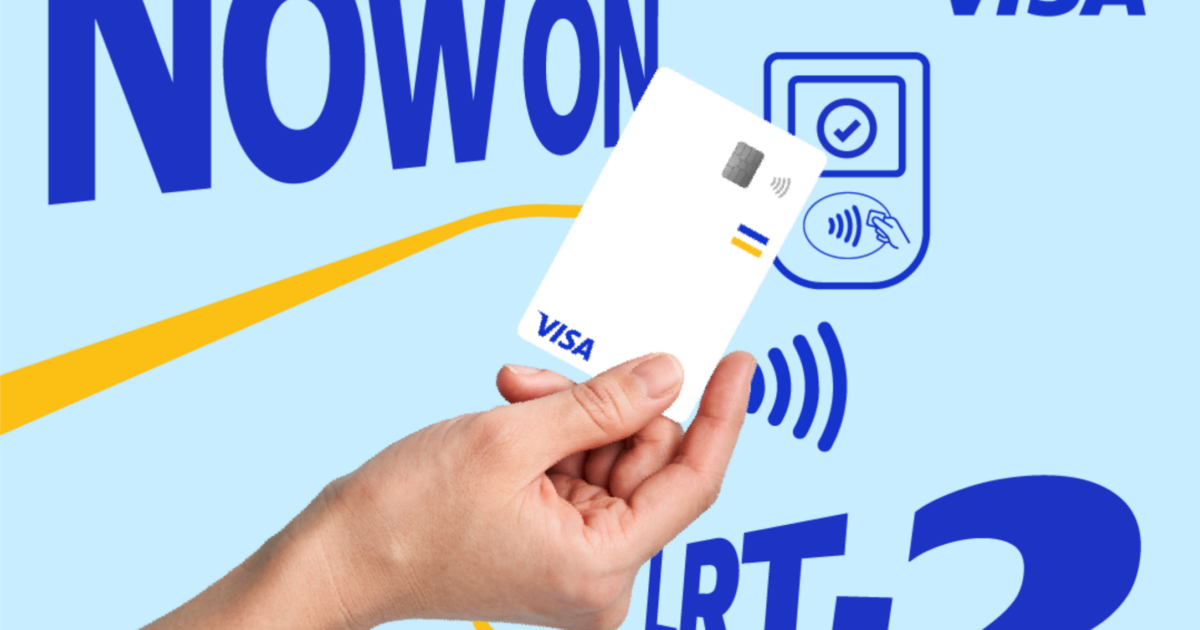
Navigating Metro Manila has become a little easier for both locals and visitors. Travelers can now pay for rides on the Light Rail Transit Line 2 (LRT-2) using Visa contactless cards, QR codes, and NFC-enabled devices, eliminating one more step from the daily commute.
The new payment system, rolled out in partnership with the Department of Transportation (DOTr), Rizal Commercial Banking Corporation (RCBC), and other industry partners, is now available across all 13 LRT-2 stations.
For anyone who has ever lined up to buy a ticket or searched for a place to reload a transit card, the change promises a smoother start to the journey.
Less time buying tickets, more time exploring
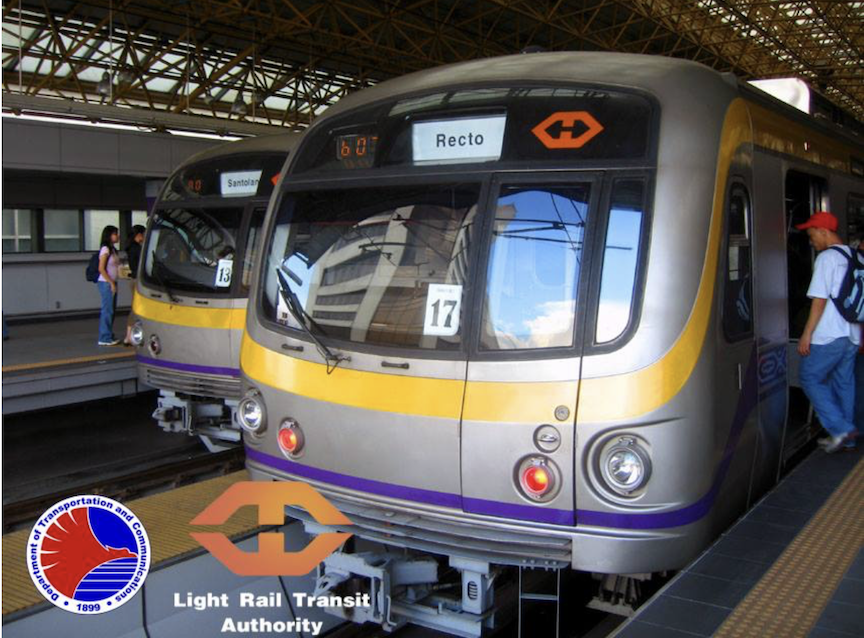
IMAGE CREDIT: Light Rail Transit
LRT-2 stretches from Recto in Manila to Antipolo in Rizal, linking travelers to shopping districts, universities, museums, restaurants, and cultural attractions along the route.
Instead of carrying a separate transit card, passengers can now simply tap a Visa card or use an NFC-enabled smartphone or supported QR payment option to enter the station.
It’s a small change that can make a noticeable difference, especially during rush hour or for travelers visiting the city for the first time.
The expansion also means all three major rail lines in Metro Manila now support Visa’s contactless transit payment system, making it easier to move around the capital using familiar payment methods.
A welcome upgrade for tourists
For international travelers, one of the biggest frustrations when arriving in a new city is figuring out how to pay for public transportation.
Many destinations now allow passengers to tap their bank cards directly at train stations instead of purchasing dedicated transit cards. Metro Manila is gradually moving in the same direction.
Visitors who already use contactless payments in cities like Singapore, London, Sydney, or Tokyo will find the experience increasingly familiar. Instead of worrying about buying another card or carrying exact cash, they can use payment methods they already have.
That convenience can make exploring the city feel less intimidating, particularly for first-time visitors.
Making everyday travel more seamless
IMAGE CREDIT: Freepik
LRT-2 serves more than 160,000 commuters daily and connects Metro Manila with communities in Rizal. Beyond office workers and students, the line is also a practical option for weekend explorers heading to destinations such as the historic streets of Manila, the University Belt, shopping centers in Cubao, or Antipolo’s growing food and café scene.
Visa says the project is part of a broader effort to expand digital payments in public transportation. Earlier deployments covered MRT-3 as well as bus systems in Cebu, Mandaue, and Bacolod.
According to Visa research, commuters increasingly expect contactless payments to be part of the public transport experience. The company found that 94% of riders across Asia-Pacific want tap-to-pay options, while nearly half said they would use public transportation more often if paying fares were easier.
Jeffrey Navarro, Visa Country Manager for the Philippines, said expanding automated fare collection across Metro Manila’s rail network supports both financial inclusion and better urban mobility.
For travelers, though, the biggest benefit is much simpler: one less ticket to buy, one less card to carry, and one more reason to leave the car behind and discover the city by rail.