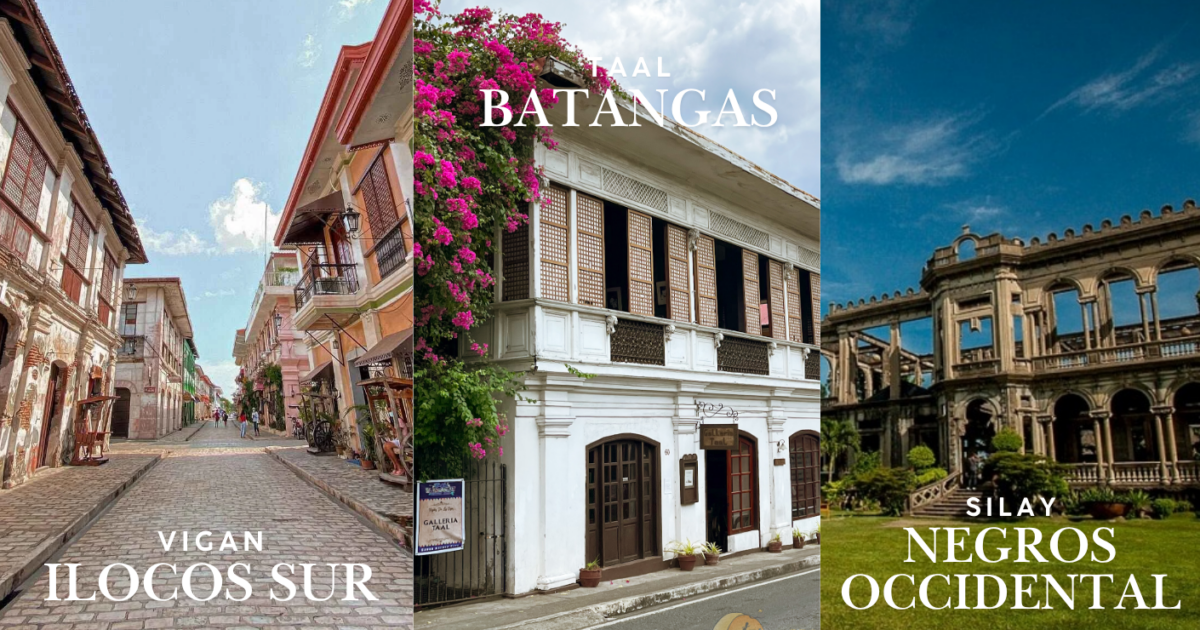
Heritage towns are often reduced to postcard-perfect streets, centuries-old churches, and social media-worthy landmarks. Yet beyond the selfie spots lies a richer story—one told by the people who continue to preserve traditions, pass down skills, and keep local culture alive despite modernization.
Across the Philippines, travelers are increasingly seeking experiences that go beyond sightseeing. They want to understand the stories behind ancestral homes, taste recipes handed down through generations, and meet the artisans, historians, and residents who shape a heritage town’s identity.
In places such as Vigan, Taal, and Silay, heritage is not merely found in old buildings. It lives in the communities that continue to protect and celebrate their history.
Vigan: A living heritage shaped by community
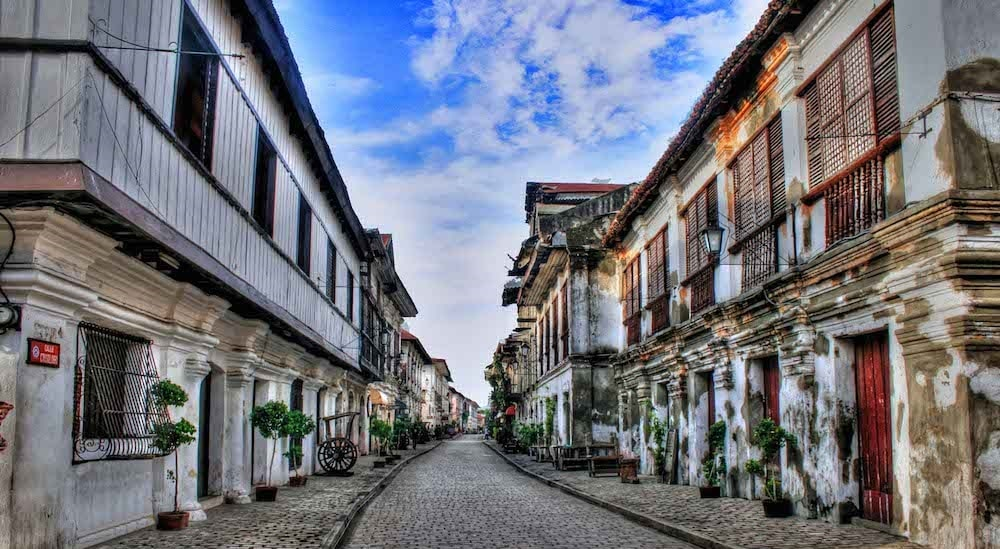
Among the country’s most celebrated heritage towns, Vigan stands as a remarkable example of how history can remain relevant in modern times. Recognized as a UNESCO World Heritage Site, the city is known for its preserved Spanish colonial streets, particularly Calle Crisologo, where ancestral houses continue to tell stories of trade, migration, and cultural exchange.
UNESCO describes Vigan as one of the best-preserved examples of a planned Spanish colonial town in Asia, reflecting a unique blend of Filipino, Chinese, and European influences.
Yet Vigan’s true strength lies beyond its architecture. Local historians, storytellers, and cultural workers have helped preserve traditions through festivals, educational programs, and community initiatives.
Traditional crafts such as weaving and pottery continue to be practiced, while local performances and cultural events allow younger generations to connect with their heritage. These efforts have transformed conservation into a community-driven movement rather than a purely tourism-focused endeavor.
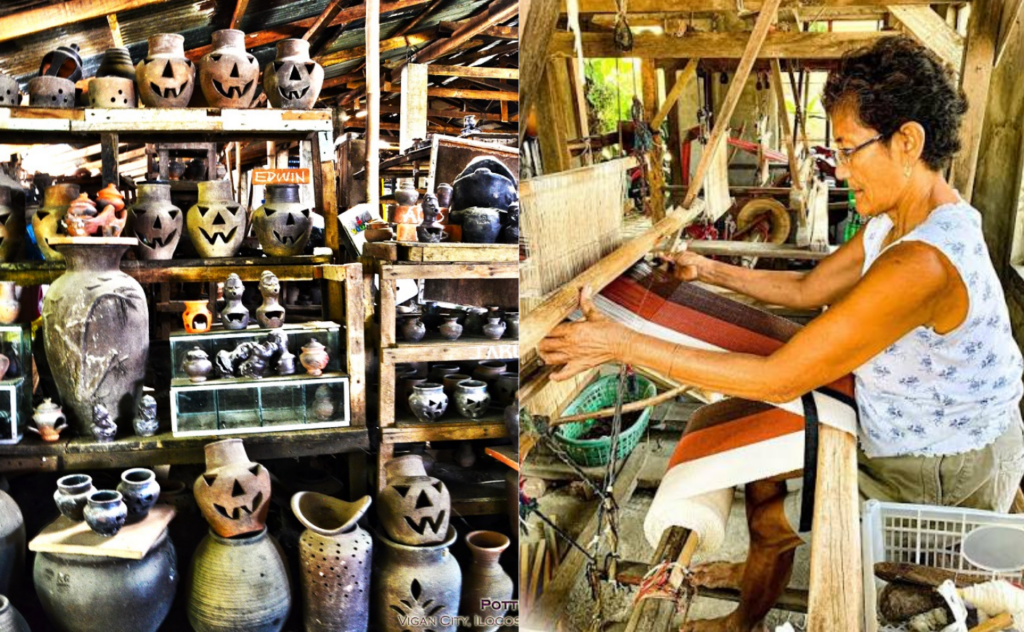
Visitors who venture beyond the iconic cobblestone streets often discover a deeper appreciation for the city. Conversations with local guides, artisans, and food makers reveal how heritage remains an active part of daily life. In Vigan, preserving the past is not about freezing time—it is about ensuring that traditions continue to evolve while remaining rooted in history.
Taal: Where heritage lives in every home and recipe
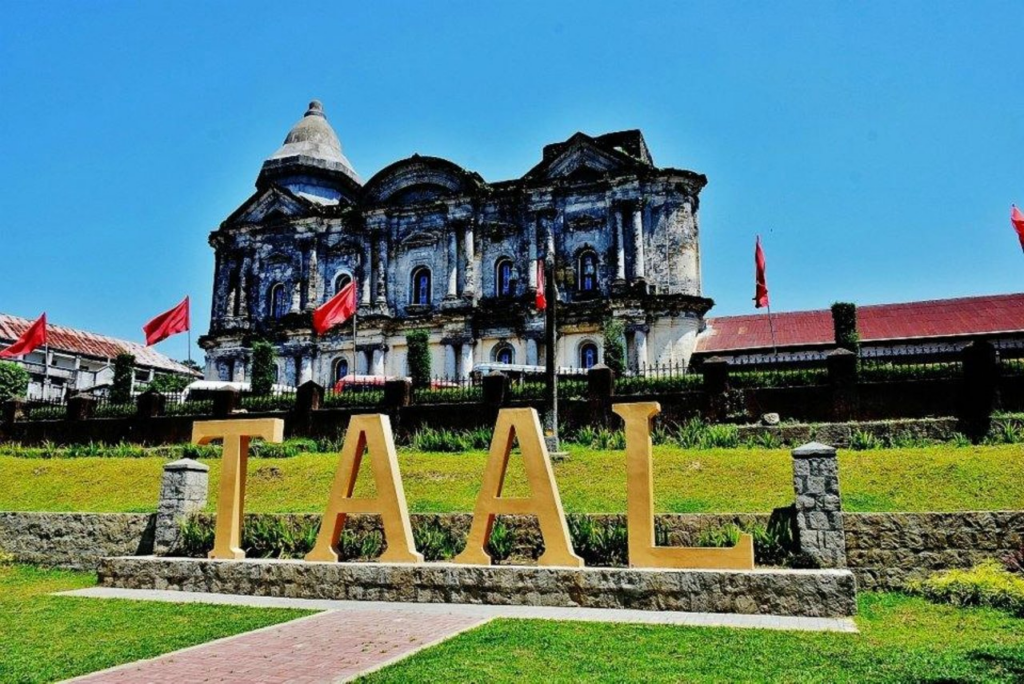
Nestled in Batangas, Taal is often described as one of the Philippines’ most charming heritage towns. The town’s well-preserved ancestral houses, historic plazas, and the imposing Basilica of Saint Martin of Tours create a setting that feels suspended between past and present.
The basilica itself is recognized as one of the largest Spanish colonial churches in the country, serving as a lasting symbol of the town’s historical significance.
However, the soul of Taal can be found inside its homes and kitchens. Families continue to preserve heirloom recipes, traditional embroidery techniques, and stories connected to the Philippine Revolution.
Many ancestral houses have become museums, galleries, and cultural spaces where visitors can learn directly from descendants who maintain these legacies. Through these personal narratives, history becomes tangible and deeply human.
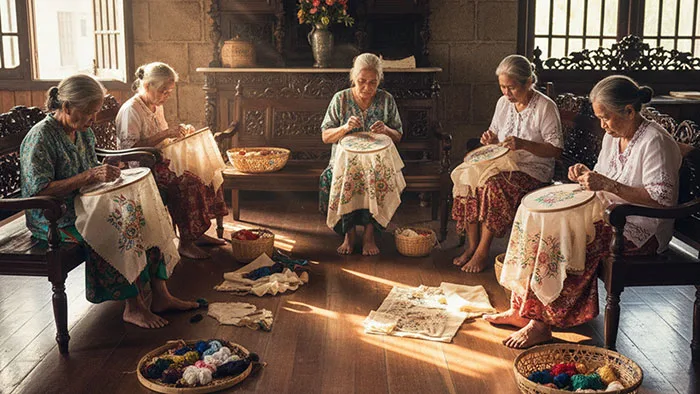
Food also plays a central role in Taal’s cultural identity. Local delicacies and time-honored cooking methods provide a glimpse into generations of family traditions.
Travelers who take the time to engage with residents often discover that the heritage towns’ greatest treasures are not its buildings but the stories shared around dining tables, workshops, and community gatherings.
Silay: The gentle keeper of Negros heritage
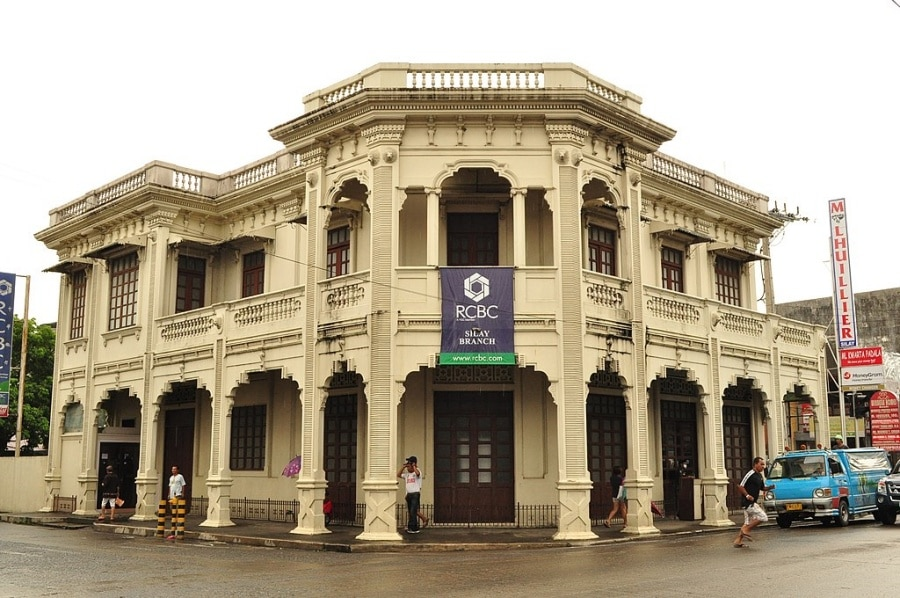
Often overshadowed by more famous destinations, Silay in Negros Occidental offers one of the most authentic heritage experiences in the Philippines. Known as the “Paris of Negros” during the sugar boom era, the city is home to elegant ancestral mansions that reflect the prosperity and cultural sophistication of the period.
These structures remain important reminders of a chapter in Philippine history that shaped the region’s identity.
What distinguishes Silay from many destinations is the active role played by artists, cultural advocates, and local residents in preserving its heritage. Restored ancestral homes serve as museums, cultural centers, and creative spaces that encourage both education and artistic expression.
Visitors are often welcomed by guides and caretakers whose personal connections to these historic homes add depth to every tour.
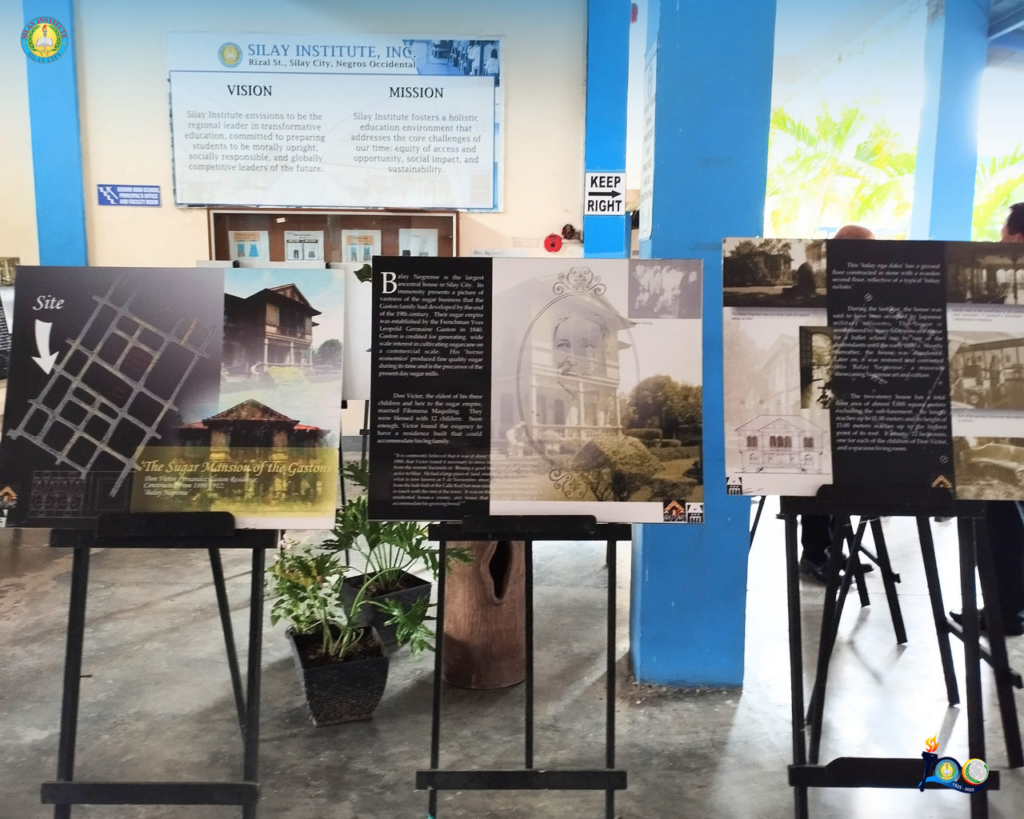
Silay’s cultural richness extends beyond architecture. Music, visual arts, culinary traditions, and community festivals continue to thrive, creating a vibrant environment where heritage feels alive rather than staged.
For travelers seeking meaningful encounters, the city demonstrates that preservation is not only about safeguarding old structures but also about nurturing the creativity and traditions that give those places their enduring character.
Where stories become the destination
The growing appeal of heritage towns reflects a broader shift in the way people travel. Increasingly, travelers are looking for authenticity, connection, and experiences that foster a deeper understanding of local culture. While historic buildings remain important landmarks, they are only part of the story.
In Vigan, Taal, and Silay, heritage endures because people continue to share their knowledge, preserve their crafts, and celebrate their traditions.
These communities remind us that meaningful travel is not measured by the number of photos taken but by the stories carried home afterward. Beyond every beautiful façade lies a living narrative — one that transforms a destination from a place to visit into a place to remember.