Mental health tips for returning OFWs often begin with a reminder that coming home does not automatically make exhaustion, anxiety or loneliness disappear.
For many Overseas Filipino Workers, returning to the Philippines is imagined as the final reward after years of sacrifice. There are reunions, home-cooked meals and long-awaited time with family. Yet behind the celebrations, some returnees find themselves tired, restless or strangely disconnected from the home they missed.

Working abroad can involve isolation, demanding schedules, discrimination, financial pressure and prolonged separation from loved ones. A NowServingPH discussion on Filipino migrant mental health highlights how loneliness, work stress and barriers to seeking professional support can affect Filipinos overseas. Returning home may remove the geographic distance, but it does not immediately undo those experiences.
Home can feel unfamiliar
Some returning OFWs experience reverse culture shock, a period of readjustment that can occur when a familiar place no longer feels as familiar as expected.
The neighborhood may have changed. Children may have grown more independent. A spouse or grandparent may have become accustomed to managing the household without the OFW’s daily involvement. Friends may assume that the returnee is financially comfortable simply because they worked abroad.
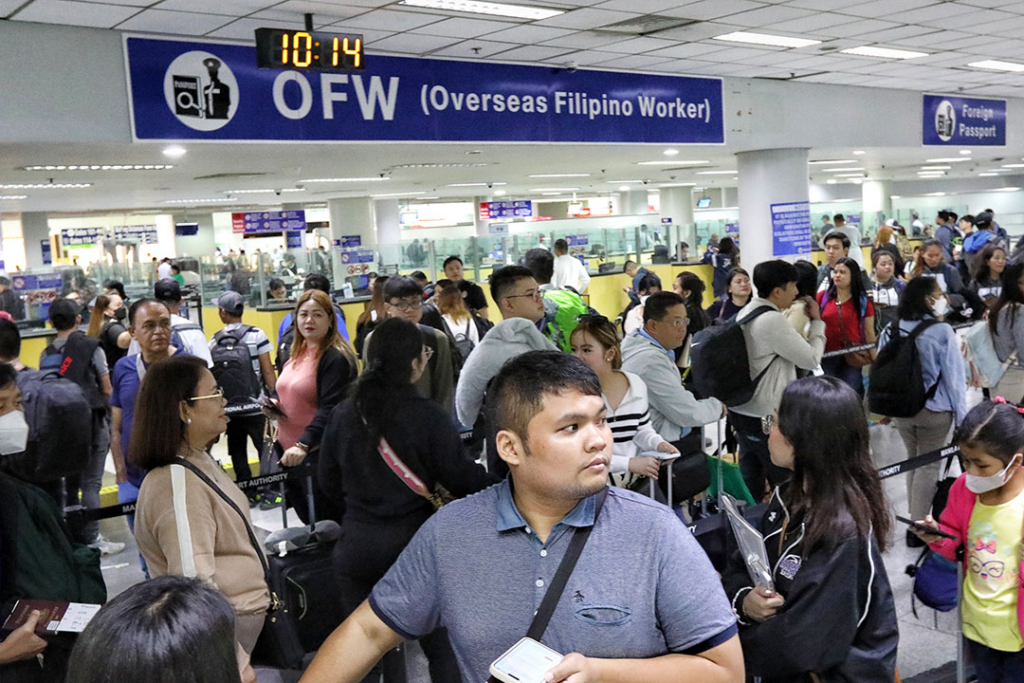
The returning worker has changed too. Years spent following another country’s routines, language, workplace culture and social expectations can shape habits and identity.
This can create confusion because the person is technically home but may still feel out of place. Irritability, disappointment or a desire to withdraw do not necessarily mean the homecoming has failed. They can be signs that reintegration requires more time than the family expected.
The International Organization for Migration describes reintegration as involving economic, social and psychosocial adjustment rather than simply arriving back in one’s country.
Do not expect family roles to return to normal overnight
Families develop new routines while a parent, spouse or sibling is away.
A returning parent may expect to immediately resume authority over household decisions, only to discover that the caregiver at home has handled school concerns, expenses and discipline for years. Children may love the returning parent but still turn first to the relative who was physically present.

Instead of trying to reclaim every role at once, returnees can begin by observing how the household currently works. Conversations about responsibilities, parenting and money should focus on what the family needs now, not only on how things operated before migration.
Simple routines can rebuild connection without forcing closeness. These might include preparing meals together, accompanying children to school, sharing household tasks or scheduling individual time with family members.
The goal is not to recreate the family that existed before departure. It is to build a working relationship with the family that exists today.
Give the body and mind time to slow down
Some OFWs return from workplaces where long hours, irregular shifts and constant alertness became normal. Once home, slowing down may feel uncomfortable.
A practical first step is to restore basic routines. Regular meals, enough sleep, light exercise and time outdoors can provide structure while the returnee adjusts. It may also help to avoid filling the first weeks with nonstop reunions, errands and family requests.
Short stress-management practices can be useful. The World Health Organization’s Doing What Matters in Times of Stress guide includes grounding exercises, making room for difficult emotions and taking small actions based on personal values. WHO notes that these techniques can be practised for a few minutes each day.
Rest should not be treated as laziness. A person who has spent years working for others may need time to discover what a sustainable daily life at home looks like.
Talk about money before anxiety takes over
Financial pressure is one of the most difficult parts of reintegration.
Savings may need to cover housing, education, debt, medical needs and daily expenses. Relatives may expect gifts or financial help. At the same time, the returning OFW may no longer have a regular overseas income.
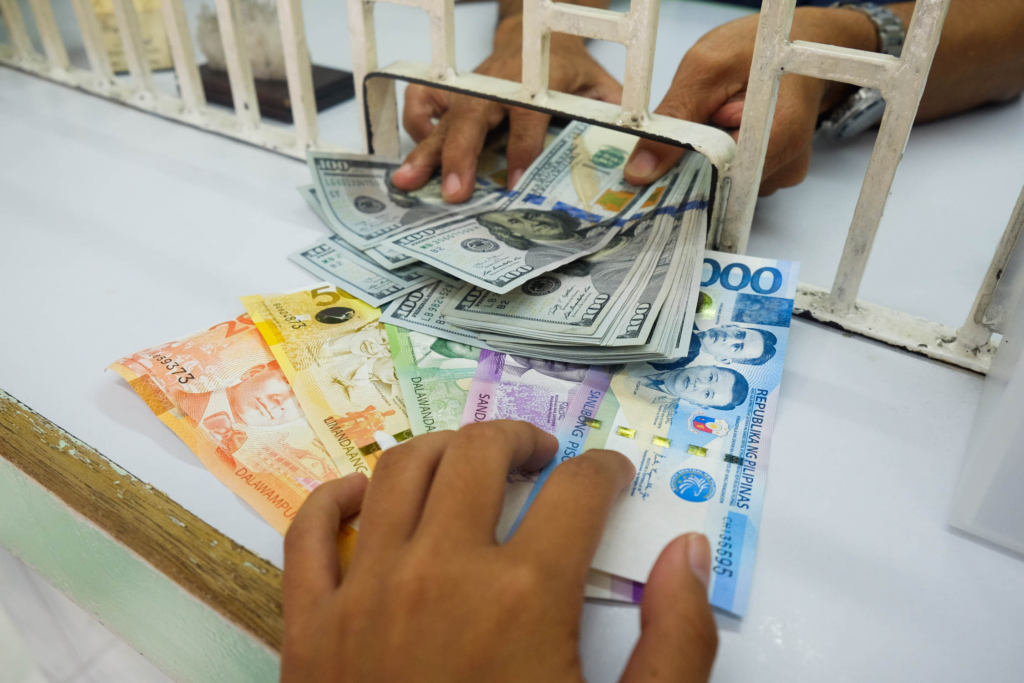
Avoiding money conversations can make the uncertainty worse. Families can begin by listing available savings, monthly expenses, debts and upcoming obligations. They can then separate urgent needs from purchases that can wait.
Returnees should also be cautious about investing their entire savings in a business they have not studied. Starting small, testing demand and seeking training can reduce the risk of losing money during an already stressful transition.
The OWWA reintegration program includes financial literacy, psychosocial counselling, stress debriefing, livelihood preparation and skills support for returning workers.
Keep parts of the overseas life that still matter
Returning home does not require rejecting everything connected to life abroad.
An OFW may miss friends, routines, food or a sense of independence developed in another country. Maintaining contact with former colleagues or Filipino communities overseas can provide continuity during the transition.
Skills learned abroad can also become part of the returnee’s next chapter. These may include language abilities, technical knowledge, budgeting habits, leadership experience or exposure to different service standards.
Recognizing these gains can help returning workers see themselves as more than providers who have stopped earning overseas. They are people carrying experiences that can still shape their family, career and community.
Know when it is time to seek support
Temporary sadness, frustration and uncertainty can be part of adjustment. However, professional support may be needed when emotional distress becomes persistent or begins interfering with sleep, relationships, work or daily responsibilities.
Warning signs may include prolonged hopelessness, frequent panic, uncontrollable anger, heavy substance use, severe withdrawal or thoughts of self-harm. A psychologist, psychiatrist, counsellor or other qualified health professional can help assess what the person is experiencing.
Seeking help does not mean the OFW is ungrateful to be home. It recognizes that migration and return can both place significant demands on mental health.
Homecoming is not a single joyful moment at the airport. It is a process of resting, rebuilding relationships, adjusting expectations and creating a life that no longer depends entirely on sacrifice abroad.