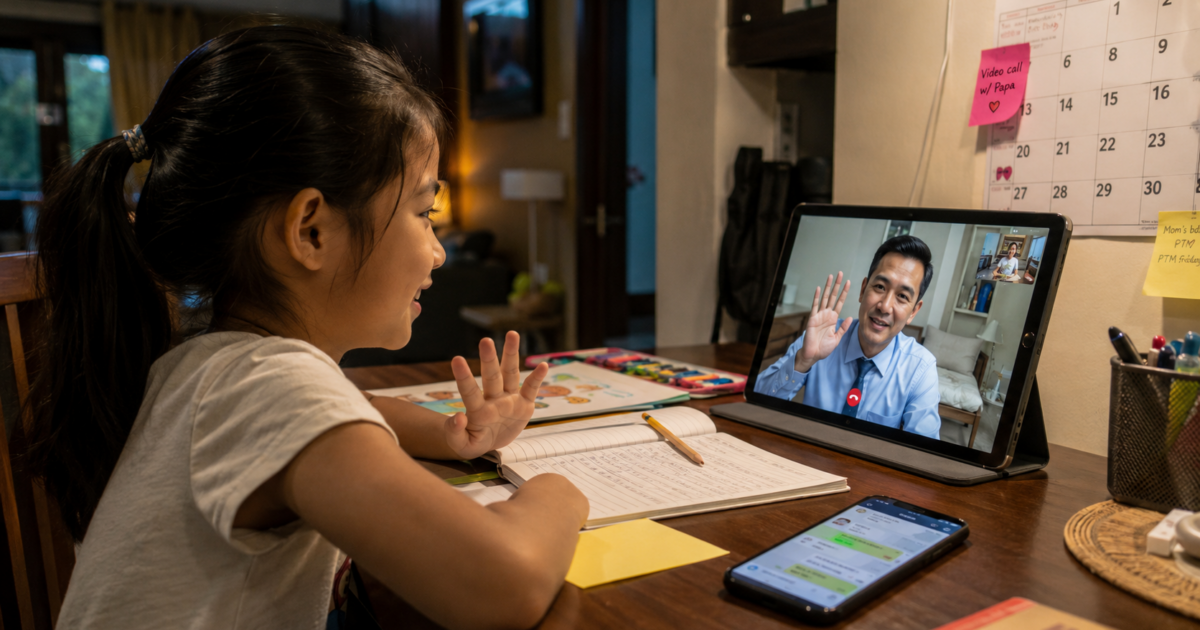
Long-distance parenting is becoming more connected as video calls, messaging apps, shared calendars and translation tools help overseas Filipino workers remain involved in their children’s everyday lives.
Physical separation remains difficult. A screen cannot replace a parent sitting beside a child after a hard day, attending a school program in person or sharing an ordinary family dinner. However, technology is allowing many OFW parents to participate in moments that previous generations working abroad would have learned about only through letters or expensive international calls.
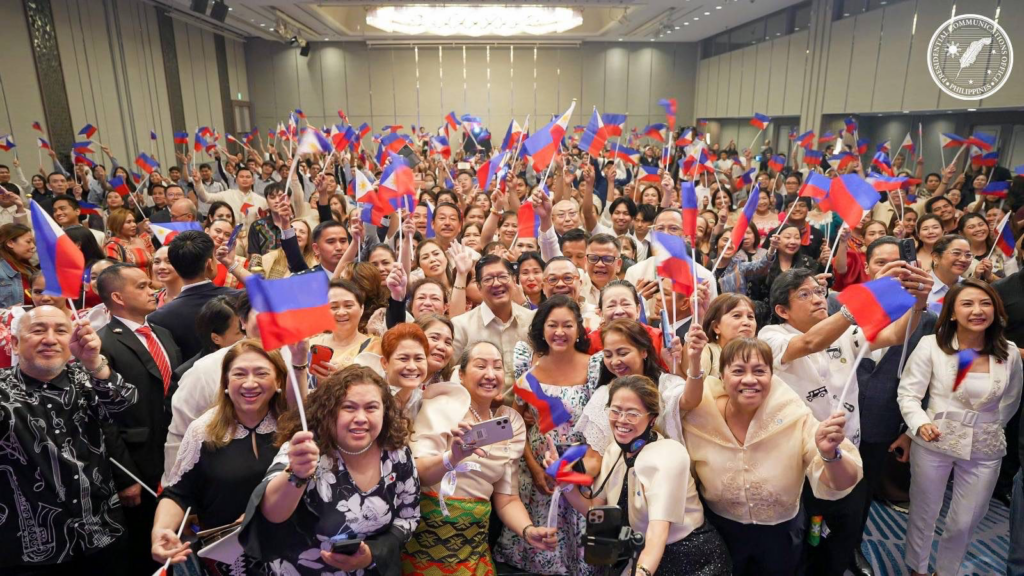
The scale of this experience is significant. The Philippine Statistics Authority estimated that 2.19 million Filipinos worked overseas in 2024, with many spending long periods away from their families.
For these households, digital parenting is no longer limited to calling home every Sunday. It can mean checking homework through a video call, receiving a photo from the school gate, adding a doctor’s appointment to a family calendar or sending a goodnight message before starting another shift.
Video calls turn special occasions into daily routines
Video calls are the most visible change in long-distance family life. They allow parents to see facial expressions, notice changes in mood and respond to events as they happen.
An OFW parent can watch a child blow out birthday candles, attend a virtual parent-teacher meeting or listen while a younger child reads a story. Some families leave a call running during dinner, homework or weekend activities so that the parent abroad can share the atmosphere without needing to lead the entire conversation.
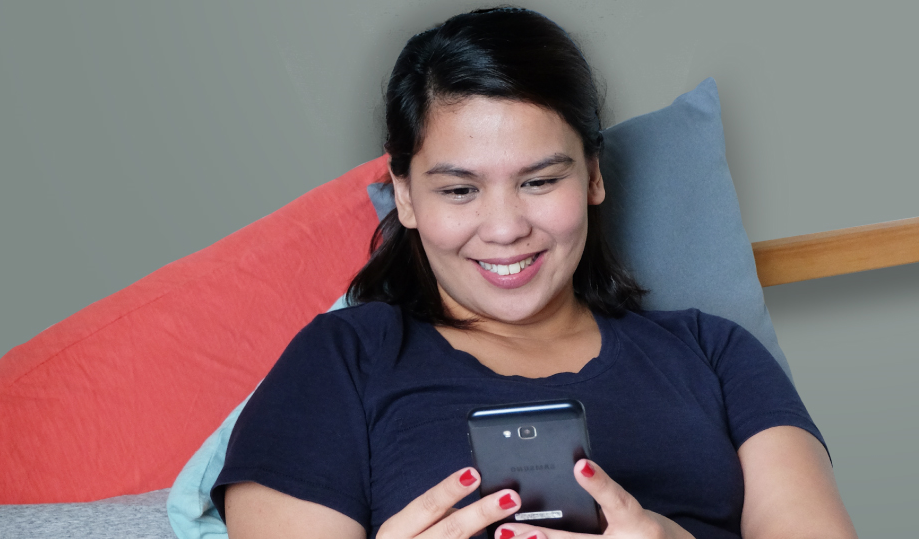
This matters because relationships are often built through ordinary repetition rather than occasional grand gestures.
Research on children of Filipino overseas workers has found that young people use modern communication technology to cope with parental distance. However, the presence of another parent, grandparent or relative at home remains important in providing daily care and stability.
Video calls work best when they are predictable but flexible. A scheduled weekend call gives children something to expect, while shorter spontaneous calls can make communication feel less like a formal family obligation.
Messaging apps carry the small moments
Not every interaction needs to become a long video conversation.
Family group chats can hold the small details of daily life: a photo of breakfast, a joke from school, a voice note recorded during a commute or a reminder to bring an umbrella. These messages allow the parent abroad to remain present between scheduled calls.
In its discussion of technology and family bonding, Families for Life highlights how family chat groups make it easy to exchange casual updates, photographs, humor and quick messages throughout the day.
For OFW families living in different time zones, asynchronous communication is especially useful. A parent working a night shift can record a message before sleeping, and the child can answer after waking up in the Philippines.
Voice notes may also feel warmer than plain text. Children can hear encouragement, laughter and concern in a parent’s voice even when both sides are unable to talk at the same time.
Still, constant messaging should not become constant monitoring. Older children may withdraw when every update feels like an interrogation. Parents can instead ask open questions, share parts of their own day and create space for children to respond honestly.
Shared calendars make parents active participants
A long-distance parent can easily lose track of school programs, examinations, medical appointments and family celebrations when information is scattered across different conversations.
A shared digital calendar creates one place where the parent abroad, the child and the caregiver at home can see important dates. Services such as Google’s family calendar allow family members to add and manage events visible to the group.
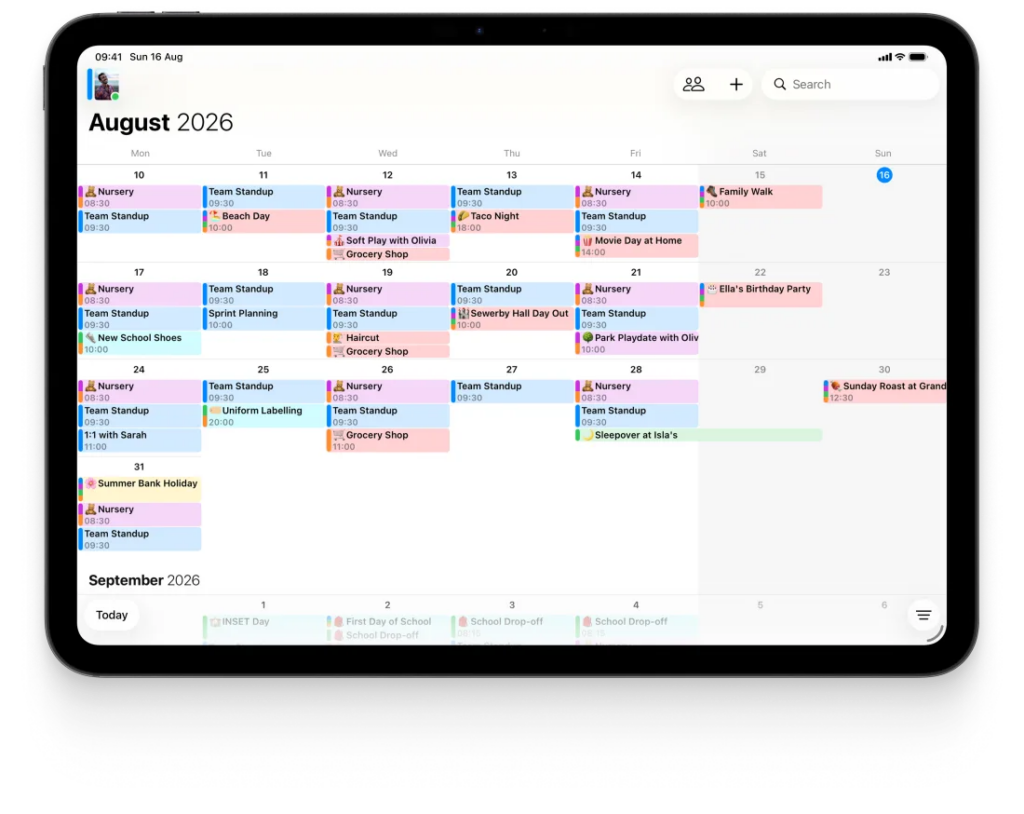
This may seem like a simple productivity tool, but it can change how involved a parent feels.
Knowing that an examination is scheduled for Friday allows the parent to send encouragement on Thursday night. Seeing a school performance on the calendar gives the family time to arrange a video call. A reminder about a medical appointment allows the OFW parent to ask questions and follow up afterward.
The calendar can also include planned family activities, such as a virtual movie night, an online game or a monthly conversation about school and household concerns.
AI translation helps families cross language gaps
Some OFW families navigate more than physical distance. Parents may work in countries where they regularly encounter Arabic, Japanese, Korean, Mandarin or another language unfamiliar to their children and relatives at home.
Translation tools can help parents explain documents, understand short messages or introduce their children to words used in the country where they work. Applications such as Google Translate support translated speech, bilingual conversations and live transcription in selected languages.
This can make family conversations more inclusive. A child may ask what a sign behind the parent means during a video call, while a parent may translate a school notice or work schedule before sharing it with the caregiver at home.
Translation can also help in multicultural households where children are growing up using different languages from their parents or grandparents.
However, AI-generated translations can misunderstand context, tone and Filipino expressions. Sensitive messages involving health, school discipline, legal matters or family conflict should still be checked by a fluent speaker when possible.
Connection still depends on consistency
Technology makes communication easier, but it does not automatically create closeness.
A child may have access to several messaging platforms and still feel unheard. A parent may call every day but spend the conversation giving instructions rather than listening. Poor internet access, incompatible work schedules and device costs can also prevent families from using these tools consistently.
Healthy digital parenting therefore requires clear routines and boundaries. Families can decide which platform to use for urgent concerns, when calls usually happen and which updates should be discussed with the caregiver at home.
Privacy also matters. UNICEF’s digital parenting guidance reminds families that online connection comes with concerns involving privacy, harmful content and children’s safety. Parents should avoid posting private family conversations publicly, protect shared accounts and ask older children before sharing their photos or achievements online.
The strongest long-distance families use technology as a bridge, not as proof that distance no longer matters. Video calls, messages, shared calendars and AI translation cannot remove the sacrifice of separation. What they can do is help parents remain visible, informed and emotionally available until the family can be together again.