AI side hustles for OFWs are creating new ways to earn beyond salaries and remittances, from freelance services and digital products to online stores and customer support businesses.
For overseas Filipino workers, the appeal is not simply the promise of quick money.
A flexible online business can provide an additional income stream, build skills for eventual reintegration and create a possible path home without depending entirely on another overseas contract.

IMAGE CREDIT: Cebuana Lhuillier
A recent Anastasia Blog video presents seven ways beginners can use artificial intelligence to generate online income, including content services, digital products and AI-powered customer solutions. The opportunities are real, but turning them into full-time income still requires marketable skills, consistent work and customers willing to pay.
AI is lowering the barrier to freelancing
Freelancing has long been accessible to Filipinos with skills in writing, graphic design, administration and marketing. AI is now helping some beginners complete parts of that work faster.
A freelance writer can use an AI assistant to develop an outline before rewriting the material in the client’s voice. A virtual assistant can turn meeting notes into a task list, organize email drafts or prepare a research summary. Social media managers can generate content ideas, repurpose one announcement into several posts and create initial layouts before refining them manually.
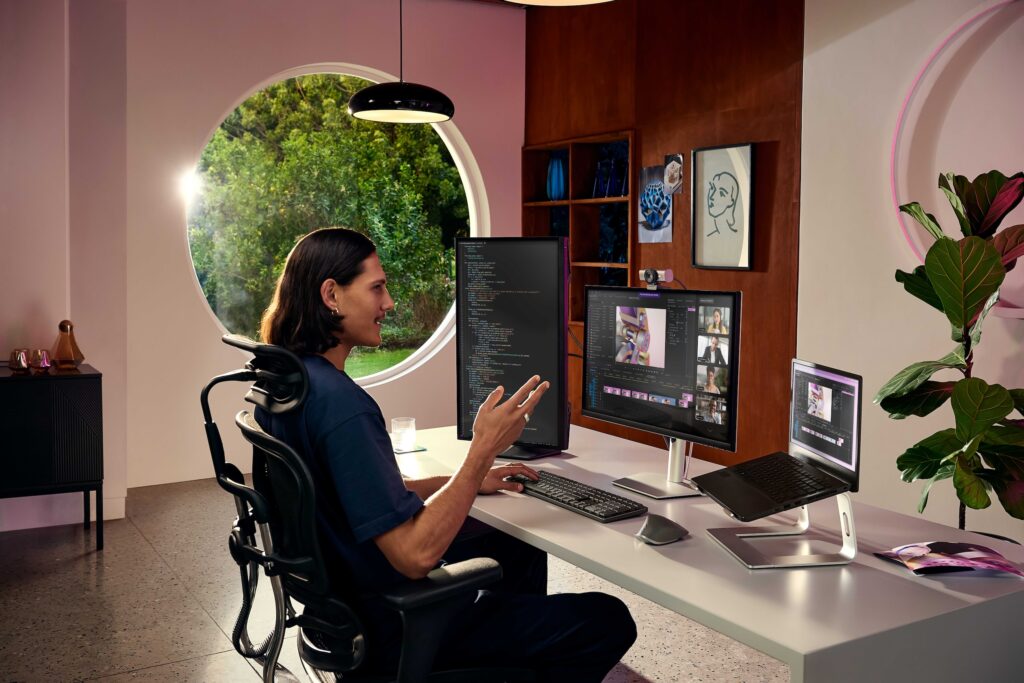
IMAGE CREDIT: Logitech
The opportunity is not to sell unedited AI output. It is to combine the technology with judgment, communication and knowledge of the client’s audience.
Research involving freelance knowledge workers found that they increasingly use generative AI to structure learning and explore new skills. However, they do not treat it as their only source because outputs can be inconsistent, lack context and require verification.
For OFWs with limited time after work, that balance matters. AI can reduce the time spent staring at a blank page, but the freelancer remains responsible for accuracy and quality.
One OFW turned AI knowledge into a business
Coach Chester, the creator of the Pinoy ChatGPT Blueprint, describes himself as an OFW who became an online entrepreneur after experiencing long working hours, homesickness and the pressure of an income that still felt insufficient.

His business teaches OFWs, freelancers and small sellers how to use ChatGPT for content planning, marketing and online selling. The program says more than 4,000 Filipino learners have enrolled, showing that demand is growing not only for AI-assisted services but also for practical education on how to use the tools.
This represents another business model available to experienced OFWs. Someone who has developed useful skills abroad can package that knowledge into consultations, digital guides, recorded lessons or group workshops.
A caregiver might create training materials for families hiring home-based support. A hospitality worker could offer customer-service coaching. An accountant may develop bookkeeping templates for small Filipino businesses.
AI can help organize the material, prepare worksheets and produce marketing drafts, while the OFW supplies the real experience that gives the product value.
Online sellers are using AI behind the storefront
For OFWs selling products, AI can support work that previously required several people.
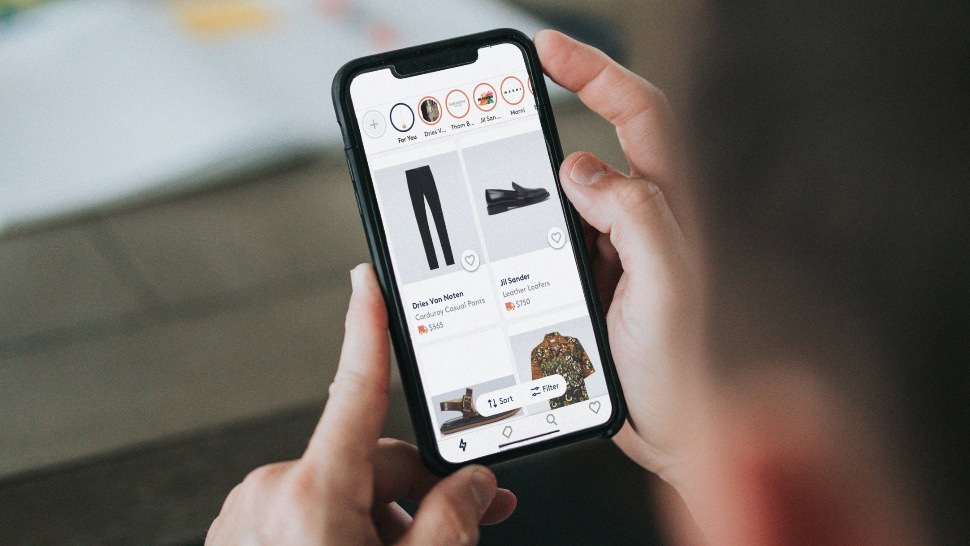
An online seller can use it to draft product descriptions, identify frequently asked questions, prepare customer replies and turn product photos into social media concepts. Translation tools can help adapt listings for different markets, while simple chat systems can answer routine questions outside business hours.
AI use among Philippine online sellers is already becoming more familiar. A 2025 regional study cited by BusinessWorld found that 76 percent of surveyed Filipino sellers were familiar with AI, although many still considered adoption costly and time-consuming.

IMAGE CREDIT: stock.adobe.com
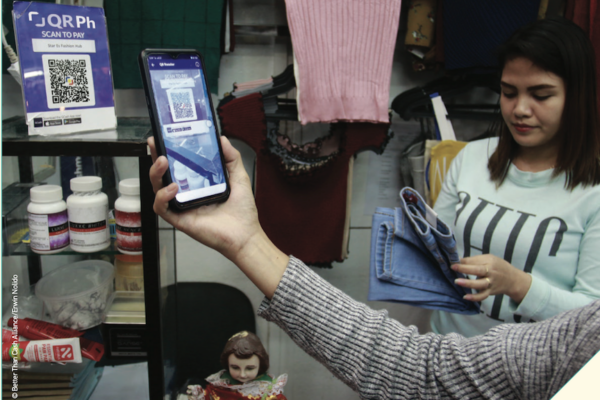
This is especially relevant as the government gives OFW entrepreneurs more access to digital markets. In March 2026, the Department of Migrant Workers introduced Buy Lokal, By OFW, an e-commerce initiative intended to showcase OFW-made products to customers in 145 countries.
Returning workers already sell products ranging from natural soaps and specialty sauces to farm goods and handicrafts. The businesses featured under the program use digital payments and online channels to reach buyers beyond their immediate communities. AI could further help similar entrepreneurs manage content, inquiries and product information as demand grows.
Content can become the product
Some OFWs are also turning content creation itself into a business.
A worker abroad may already have useful knowledge about budgeting in a particular city, preparing documents, finding affordable food or adjusting to a new workplace culture. That information can become a newsletter, video channel, downloadable guide or paid online community.
AI tools can help generate topic lists, organize scripts, add subtitles and adapt one long video into several short posts. They can also speed up basic editing and translation for creators speaking to both Filipino and international audiences.
However, creators still need a recognizable point of view. Generic AI-generated posts are easy to produce and equally easy to ignore. The strongest content is built around first-hand knowledge, clear storytelling and information that the creator has verified.
Customer service can become a specialized offer
Small businesses often need help answering customer questions but cannot afford a large support team.
An OFW with experience in hospitality, retail, healthcare administration or call centers can offer customer-service management as a freelance package. AI can draft responses, summarize recurring complaints and organize inquiries by urgency.

IMAGE CREDIT: Freepik
More advanced freelancers may eventually build automated chat workflows for appointment booking, product questions or lead collection. The service becomes valuable when the freelancer understands when automation is enough and when a customer needs a real person.
Businesses should also avoid placing confidential client, financial or personal information into AI systems without understanding how the data may be processed.
The goal is a business, not an AI shortcut
AI can make a side hustle easier to start, but it cannot guarantee full-time income.
OFWs should begin with one specific service or product, test it with a small number of customers and track the actual cost of subscriptions, platform fees and advertising. They should also keep their overseas job until the business produces stable income rather than resigning after one successful month.
The best question is not, “How can I make money from AI?” It is, “What problem can I solve, and how can AI help me solve it more efficiently?”
For OFWs planning a future beyond overseas employment, that distinction can turn a temporary online raket into something more sustainable: a business built on their skills, experience and ability to adapt.