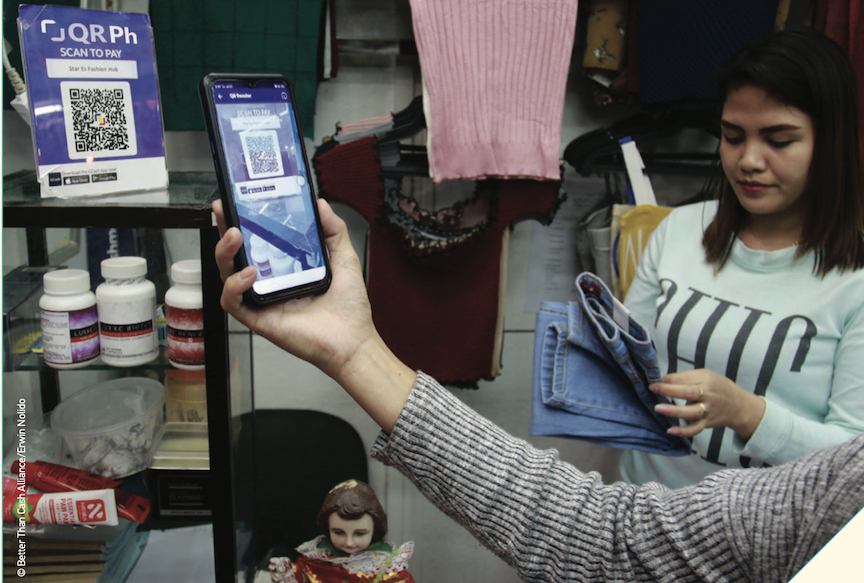
For many Filipino entrepreneurs and SMEs, accepting digital payments is no longer just about offering customers another way to pay. As businesses increasingly embrace artificial intelligence (AI) and digital technologies, owners are also looking for payment systems that fit into a more connected way of running their operations — helping them save time, reduce costs and make better business decisions.
That shift is becoming more evident across the country as small and medium-sized businesses (SMEs) modernize everything from inventory management and customer service to accounting and marketing. While AI-powered tools are gaining traction, many business owners are discovering that the real challenge isn’t simply adopting new technology — it’s making sure the different parts of the business work together seamlessly.
Payments have become an important piece of that puzzle.
One company benefiting from the trend is Singapore-based payments platform HitPay, whose Philippine merchant base more than doubled over the past year. The growth comes as the BSP-regulated fintech earned a place on CNBC and Statista’s World’s Top Fintech Companies 2026, joining 500 companies worldwide recognized in this year’s rankings.
Beyond cashless payments
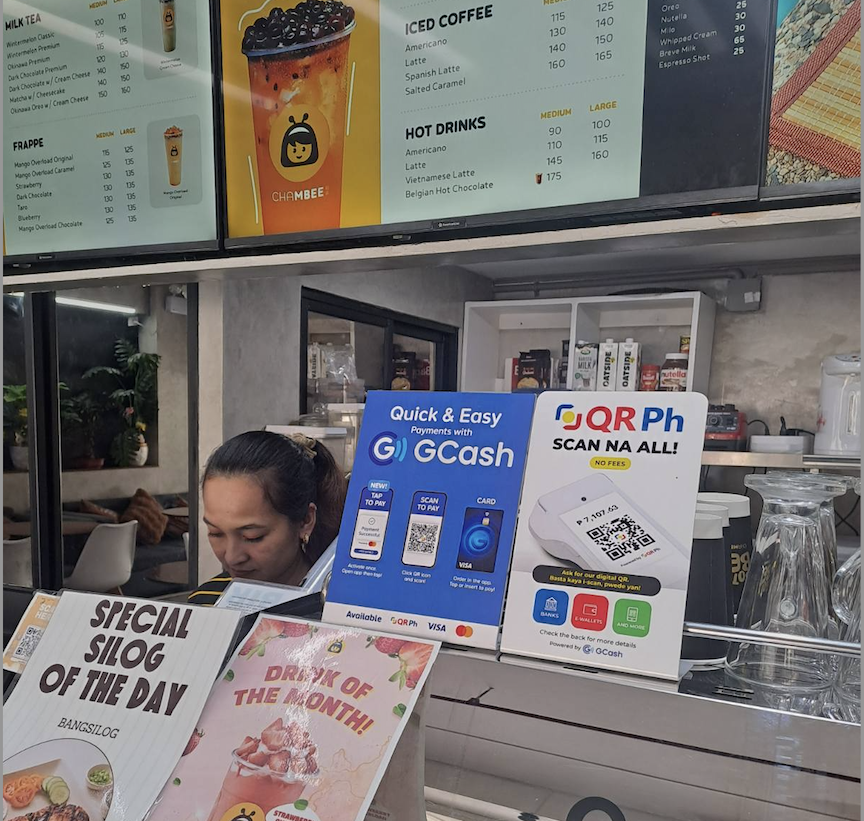
IMAGE CREDIT: GCash
The Bangko Sentral ng Pilipinas (BSP) has been steadily pushing the country toward a more digital economy. Electronic payments now account for 57.4% of retail transaction volume based on the latest available figures, and the central bank aims to increase that share to between 60% and 70% by 2028.
Earlier this year, the BSP also directed banks and electronic money issuers to reduce digital transfer fees after finding that transaction costs remained one of the biggest barriers preventing many Filipinos from using digital payment services.
For entrepreneurs, the changes could make accepting digital payments more attractive — not only because customers increasingly expect cashless options, but also because lower transaction costs can help improve margins.
At the same time, the conversation among business owners has started to move beyond payments alone.
Many SMEs are investing in AI-powered applications for customer support, marketing, sales analysis and business reporting. But those tools deliver the greatest value when they’re connected to the rest of the business.
Payments, customer information and sales data all become more useful when they flow through an integrated system instead of being scattered across different platforms.
Building better merchant tools

Aditya Haripurkar, co-founder and CEO of HitPay
HitPay believes many SMEs are ready to digitize but still face operational hurdles.
“What we are seeing on the ground in the Philippines is that many SMEs are not lacking demand, but the right tools to operate efficiently,” said Aditya Haripurkar, co-founder and CEO of HitPay.
He said many businesses continue to deal with fragmented systems, manual processes, delayed settlements, fraud concerns and hidden transaction costs.
Rather than relying on separate solutions for different payment methods, HitPay allows merchants to accept QR Ph, GCash, Maya, cards and bank transfers through a single platform, charging only per transaction without subscription or setup fees.
Last year, the company partnered with payment technology provider Ingenico to introduce an all-in-one smart payment terminal in the Philippines. The initiative aims to onboard 10,000 SMEs over two years, particularly businesses in retail, food and beverage, and tourism.
According to HitPay, merchants using its platform have collectively saved more than US$35 million in payment processing fees since 2020 by reducing their reliance on traditional card-based payment systems.
“Just over five years back, the only option for merchants to accept payments would be card payments, which by their nature have a high interchange rate,” Haripurkar said.
“What’s happened in the region since is that you have real-time payment schemes and e-wallets that consumers now prefer, and merchants have had to adopt them at checkout. That allows businesses to increase their margins and become more sustainable.”
The next step in digital transformation
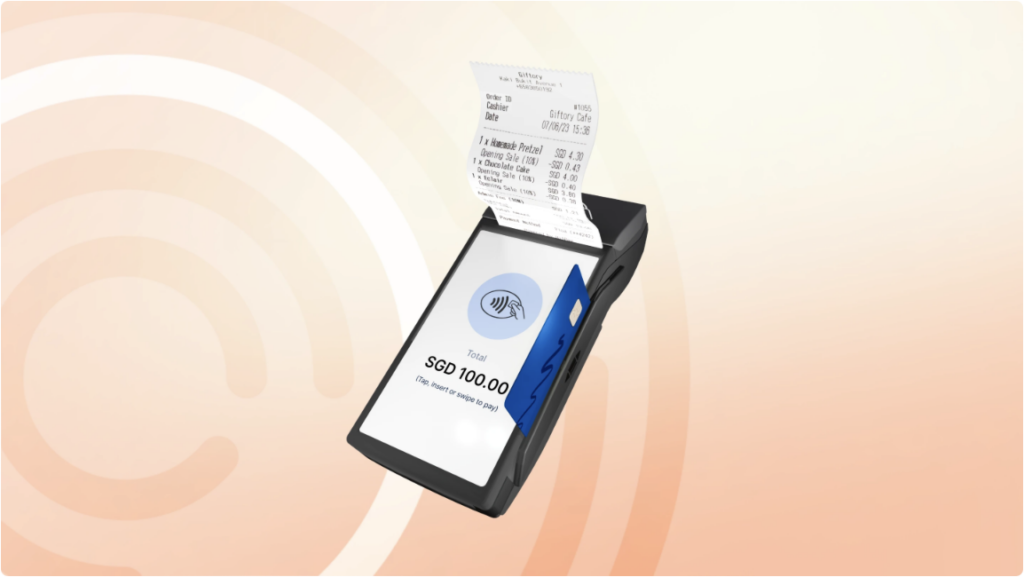
IMAGE CREDIT: HitPay
For many Philippine SMEs, digital transformation is becoming less about adopting individual technologies and more about building connected businesses.
Whether it’s AI helping automate customer inquiries, software providing real-time sales insights, or payment platforms simplifying transactions, the common goal is to eliminate unnecessary manual work so business owners can focus on growth.
HitPay’s inclusion in CNBC’s global fintech ranking highlights the growing importance of merchant-focused payment solutions.
For local entrepreneurs, however, the bigger story may be how digital payments are evolving from a simple checkout function into part of a broader business ecosystem — one where payments, data and technology work together to help businesses operate more efficiently and compete in a rapidly changing marketplace.