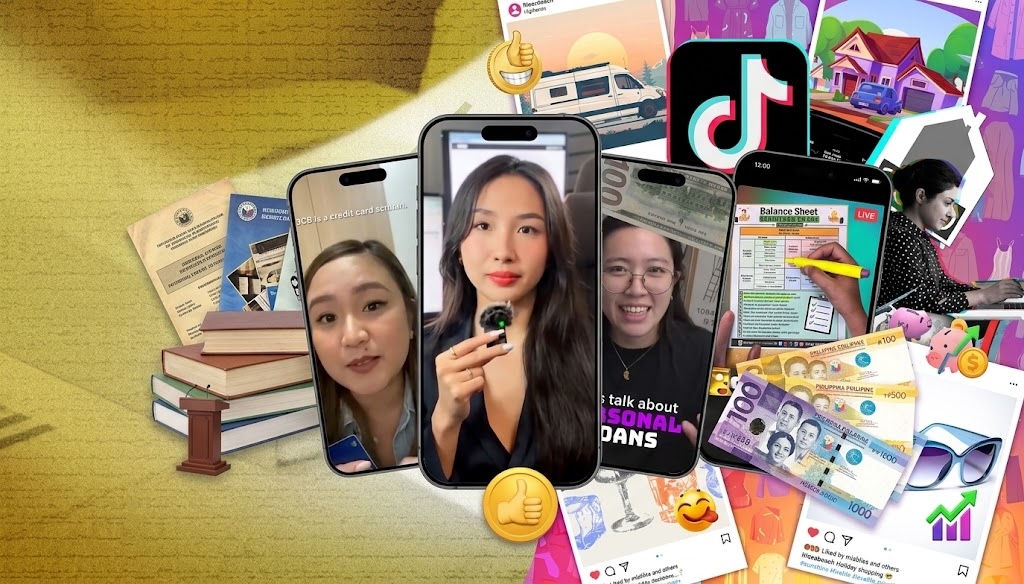
For a generation that grew up scrolling through TikTok, watching livestreams, and learning almost everything about life through short-form videos, a traditional financial literacy seminar can feel like a completely different language.
Tell a young Filipino to attend a two-hour talk about budgeting and investing, and there is a good chance they will postpone it.

IMAGE CREDIT: 8list.ph
Turn the same lesson into a TikTok challenge, a relatable skit, a livestream with a creator they already follow or a game where they make virtual financial decisions, and suddenly the topic feels much easier to approach.
That shift is changing how financial education is being delivered today.
In the Philippines, brands, financial institutions and creators are increasingly experimenting with pop culture, gamification and influencer-led content to make money topics less intimidating and more relevant to younger consumers.
Financial advice no longer confined to the classroom
For years, financial literacy was often associated with seminars, brochures and formal educational programs.
IMAGE CREDIT: eMoney Advisor
These still have an important role, particularly when people need detailed information about investing, credit, insurance or financial planning.
But younger consumers do not necessarily discover information that way.
They discover it through their feeds.
A person may encounter a video explaining compound interest while scrolling through TikTok. They might learn what a credit score is from an Instagram Reel. They could hear about budgeting through a creator’s “day in my life” video.
The lesson is embedded inside content they are already consuming.
That makes financial education feel less like homework.
Gen Z is already talking about money online
Filipino Gen Z consumers are not necessarily uninterested in money.
In many cases, they are very interested.
They want to know how to save, invest, manage credit, earn additional income and afford the lifestyle they see online.
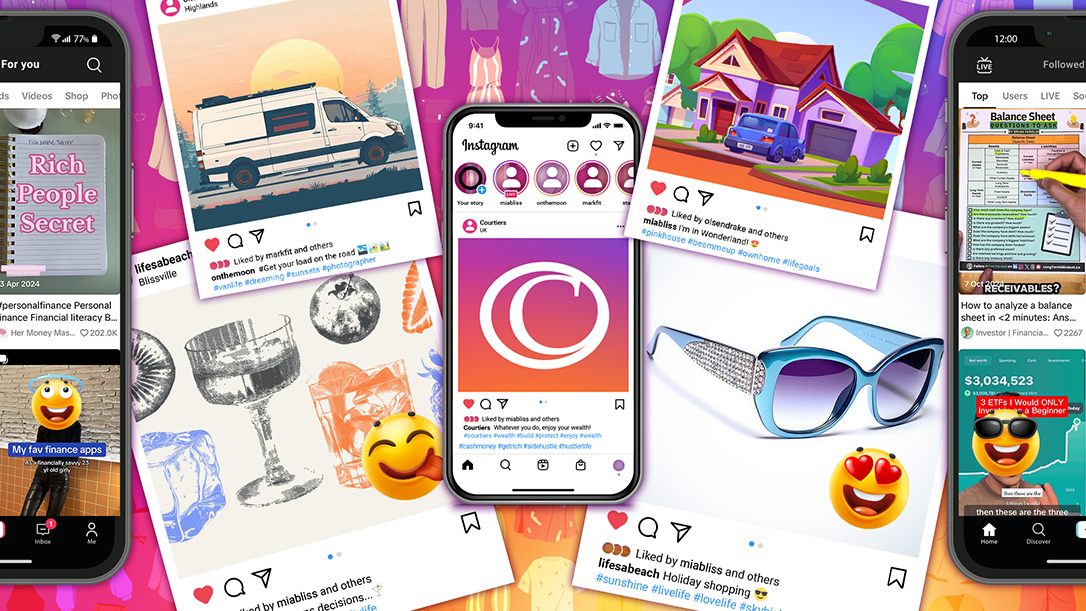
IMAGE CREDIT: Courtiers
The challenge is finding information that feels trustworthy and understandable.
The Bangko Sentral ng Pilipinas’ 2025 Consumer Finance and Inclusion Survey found that 58% of Filipino adults owned a formal financial account, up from 51% in 2024. It also reported growing use of e-money accounts, highlighting how financial services are increasingly becoming part of everyday digital life.
As more young Filipinos use digital financial products, the need to understand how those products work becomes even more important.
Why influencers have an advantage
Financial institutions can explain a product accurately.
But an influencer can explain the same concept in a way that feels like a conversation.
That difference matters.

IMAGE CREDIT: PH Influencers
A creator who says, “Here’s how I budget my ₱20,000 monthly income,” can immediately make the subject feel more relatable to someone earning a similar amount.
A creator who explains credit cards through everyday examples can make a complicated financial concept easier to understand.
This is one reason influencer-led financial education has become attractive to brands.
The creator already has an audience.
More importantly, they already understand how that audience communicates.
A formal advertisement might say, “Build an emergency fund.”
A creator might say, “If you lost your job tomorrow, how many months could you survive?”
The message is essentially the same.
The delivery is completely different.
TikTok turns financial concepts into snackable lessons
TikTok is particularly suited to financial education because complicated ideas can be broken into short, digestible pieces.
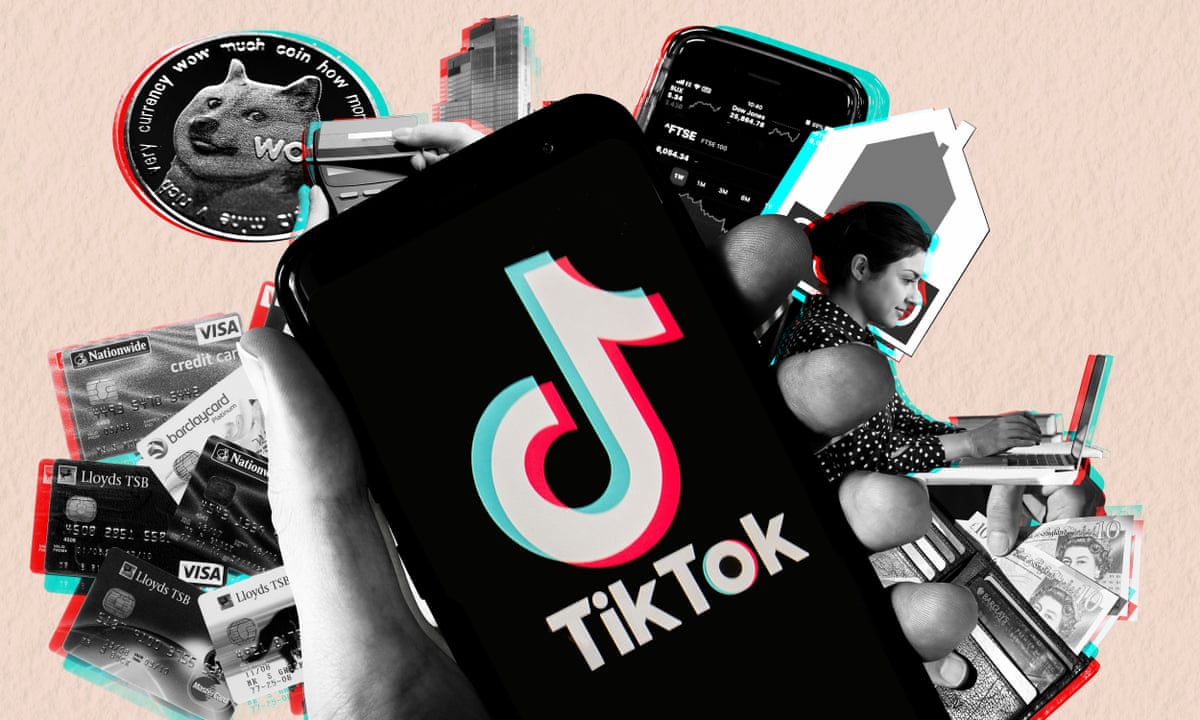
IMAGE CREDIT: The Guardians
Instead of explaining everything about investing in one video, a creator can produce a series:
“What is a stock?”
“What is a dividend?”
“What is an index fund?”
“What does risk actually mean?”
Each video answers one question.
This also allows audiences to learn at their own pace.
If something is confusing, they can replay it. If they have a question, they can leave a comment. If the creator makes another video responding to that comment, the audience becomes part of the lesson.
That creates something a traditional classroom cannot easily replicate: two-way financial education.
Gamification makes money feel less intimidating
Another strategy gaining attention is gamification.
Financial concepts can feel abstract when they exist only as numbers.
Games make those numbers consequences.
Fintech Gamification: Level Up User Engagement (and Fun)
Imagine a financial literacy game where a player receives a virtual salary, chooses between spending and saving, handles an unexpected medical expense and decides whether to borrow money.
The player learns through experience.
They can make a bad decision without actually losing real money.
That is one reason gamification can be effective for younger audiences. Instead of simply telling someone that emergency funds matter, a game can let them experience what happens when an unexpected expense arrives and they have no savings.
The lesson becomes memorable because the player made the decision themselves.
Brands are learning to speak internet
Financial institutions have also become more comfortable with digital-native marketing.
Instead of relying exclusively on polished corporate advertisements, brands are experimenting with creators, memes, livestreams, short videos and interactive campaigns.
The shift reflects a larger change in how Filipino consumers interact with financial brands.

IMAGE CREDIT: Landingi
People do not necessarily want to be “sold” financial products.
They want to understand them.
This is particularly important for products that can be intimidating to first-time users, such as credit cards, investment products, insurance and digital lending.
A campaign that starts with education can build familiarity before asking someone to become a customer.
Livestreams turn questions into content
Livestreaming adds another dimension.
A financial expert or creator can discuss a topic while viewers ask questions in real time.
Someone can ask, “How much should I save every month?”

IMAGE CREDIT: Switcher Studio
Another viewer might ask about credit cards.
Someone else might want to understand how interest works.
Those questions can then become the content itself.
This is powerful because financial education is rarely one-size-fits-all.
Different people have different incomes, responsibilities and levels of financial knowledge.
Livestreams allow educators to respond to the actual questions people are asking instead of guessing what the audience wants to know.
The danger of making money too entertaining
But there is a line brands and influencers need to be careful about.
Financial education can be made entertaining.
Financial risk cannot.
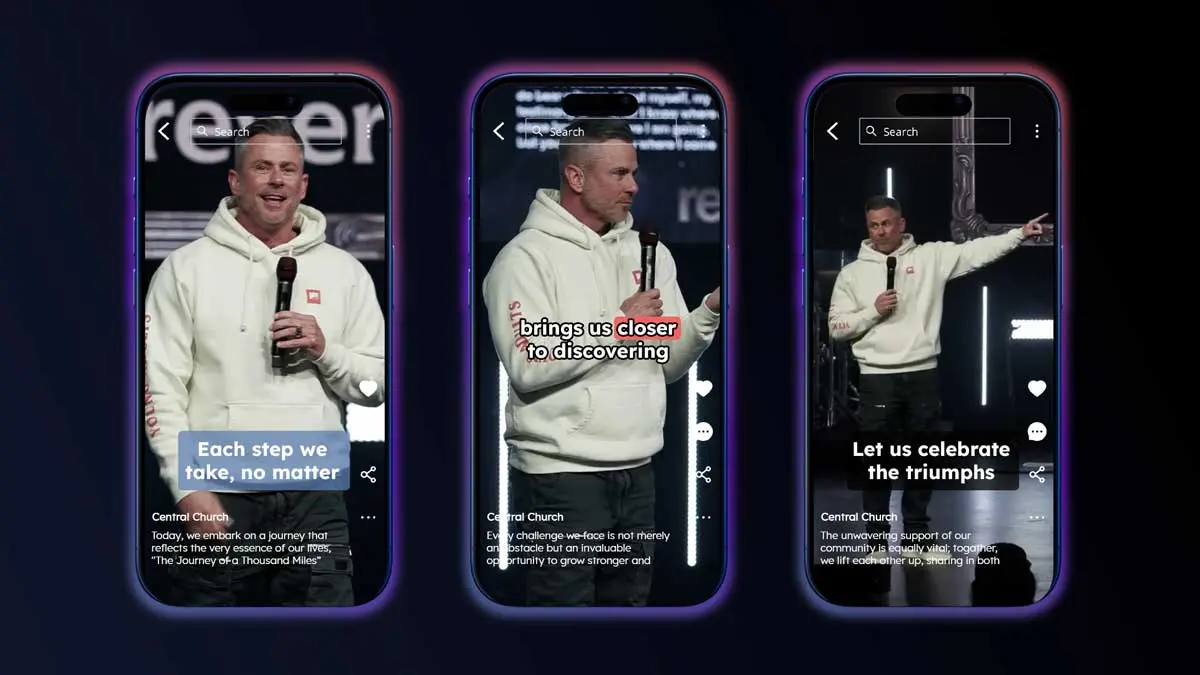
IMAGE CREDIT: Resi
A TikTok explaining how investments work is useful.
A TikTok making high-risk investments look like an easy way to become rich is potentially dangerous.
This is particularly important when creators are paid to promote financial products.
The Philippine SEC has repeatedly warned the public about investment scams and unauthorized investment-taking activities, emphasizing the importance of checking whether an entity is properly registered and authorized. (sec.gov.ph)
The lesson is simple: viral does not mean verified.
A creator’s popularity should never replace due diligence.
Relatable does not always mean accurate
There is another challenge.
Financial content can become oversimplified when creators are trying to fit complicated concepts into 30 seconds.

IMAGE CREDIT: LinkedIn
“Just invest your money.”
“Never use credit cards.”
“Buy property as soon as possible.”
“Stop buying coffee and you will become rich.”
These statements may perform well online because they are simple.
But personal finance rarely is.
A person’s best financial decision depends on their income, debt, goals, risk tolerance and circumstances.
Good financial content should therefore make complicated subjects easier to understand without pretending that every question has a one-line answer.
Pop culture can open the door
That does not mean financial education needs to become boring again.
Quite the opposite.
The opportunity is to use entertainment as the doorway and education as what comes after.
A funny TikTok can introduce budgeting.
A creator can make someone curious about investing.
A game can teach the consequences of debt.
A livestream can answer questions that someone was too embarrassed to ask in person.
Once people become interested, they can be directed toward more comprehensive and authoritative resources.
That combination may be one of the most effective ways to reach younger Filipinos.
Money talk is becoming part of everyday culture
Perhaps the biggest change is that conversations about money are becoming more visible.
People are sharing their budgeting systems.

IMAGE CREDIT: LinkedIn
Creators are discussing salaries and side hustles.
Young professionals are talking about financial goals.
Brands are creating content around saving and investing.
Not all of the advice is perfect, but the conversation itself matters.
Financial literacy begins with being comfortable asking questions.
And pop culture has a powerful ability to make uncomfortable topics feel normal.
Future of Fin-Ed could look more like entertainment
The next generation of financial education may not look like a seminar room.
It might look like a TikTok series.
A livestream.
A mobile game.
A creator explaining how they built an emergency fund.
A challenge where friends compete to save a certain amount.
Or a short video that finally makes someone understand what interest actually means.
The format may be different, but the goal remains the same: helping people make better financial decisions.
For Filipino Gen Z consumers, that could be particularly important as more aspects of their financial lives move online. Because if the internet is where young Filipinos spend their time, perhaps that is also where financial literacy needs to meet them.