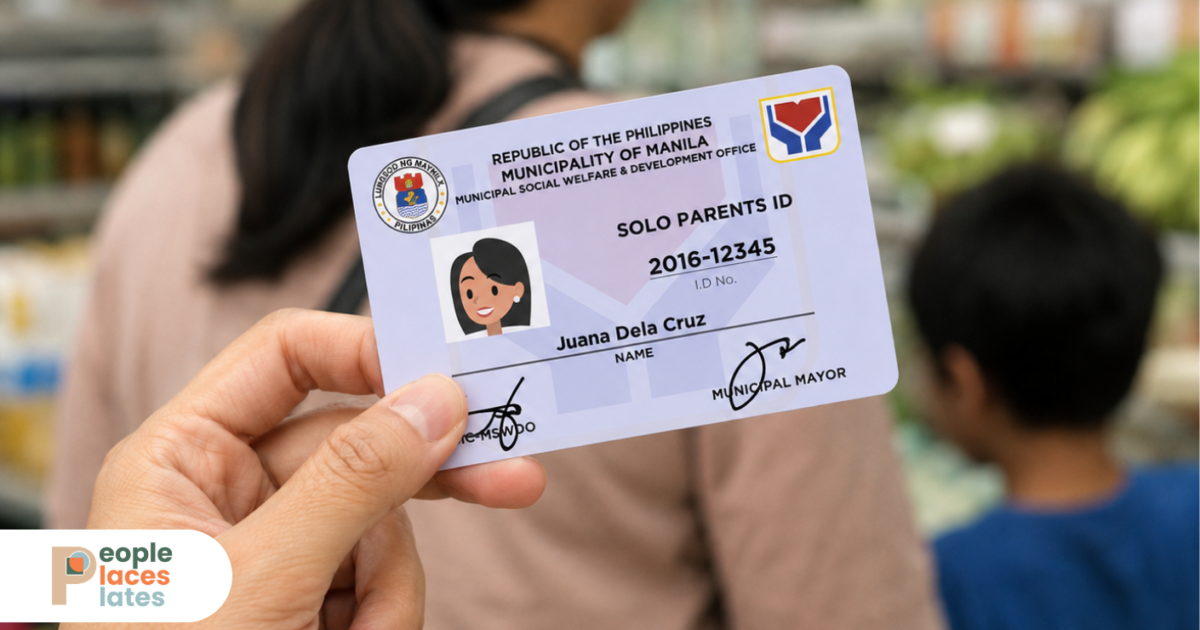
Solo parent benefits in the Philippines can go well beyond having an identification card in your wallet.
For qualified parents, a Solo Parent Identification Card can open access to discounts on certain child necessities, paid parental leave, flexible work arrangements, PhilHealth coverage and priority in several government programs.
There is even a monthly cash subsidy for some lower-income solo parents.
But not every benefit follows the same income rule. The ₱250,000 threshold, for example, applies specifically to the discount and VAT exemption on certain purchases for young children.
The Department of Social Welfare and Development reiterated in 2026 that benefits under the Expanded Solo Parents Welfare Act remain in effect and encouraged eligible solo parents to register through their local government units.
So what can a Solo Parent ID actually get you?
The ₱250,000 rule applies to certain child essentials
Under Republic Act No. 11861, an unemployed solo parent or one earning less than ₱250,000 annually may receive a 10% discount and exemption from value-added tax on specified products for a child from birth until six years old.
The covered purchases include baby’s milk, food and micronutrient supplements, sanitary diapers, duly prescribed medicines, vaccines and other medical supplements.
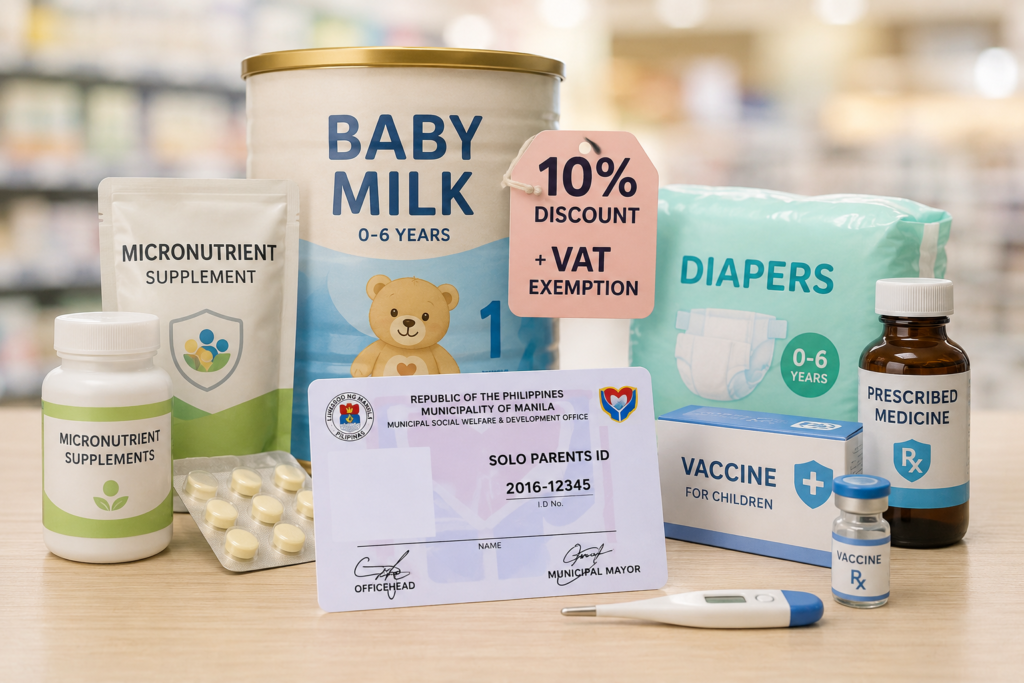
The law’s implementing rules say these purchases may be made from drug stores, pharmacies, grocery stores and similar establishments and must be for the exclusive use of the qualified child.
To claim this particular benefit, the parent needs to present both a valid Solo Parent Identification Card and the accompanying booklet.
The Bureau of Internal Revenue also issued rules implementing the 10% discount and VAT exemption.
That means the benefit is more specific than simply receiving 10% off an entire grocery bill. It applies only to the goods covered by the law and to qualified solo parents with children within the required age range.
There is also a monthly cash subsidy, but it has different rules
The ₱250,000 annual-income limit should not be confused with the government’s monthly cash subsidy.
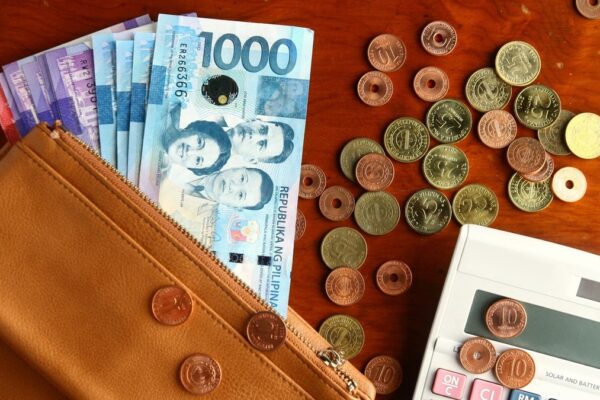
RA 11861 provides a means-, pension- and subsidy-tested cash benefit of ₱1,000 per month for a solo parent earning minimum wage or below.
The beneficiary generally must also not be receiving another government cash assistance or subsidy program. Senior citizen and PWD benefits, however, do not automatically disqualify an otherwise eligible solo parent.
Funding and distribution are handled by the concerned city or municipal government, with additional rules applying to lower-income municipalities.
So earning below ₱250,000 does not automatically mean a parent will receive ₱1,000 every month. The cash benefit uses a narrower eligibility test.
Other Solo Parent ID benefits are not limited to the ₱250,000 group
Some of the most useful protections under the law are tied to being a qualified solo parent rather than to the ₱250,000 discount threshold.
Working solo parents who have rendered at least six months of service can receive up to seven working days of paid parental leave each year.
According to the Department of Labor and Employment’s guidance, the benefit applies regardless of employment status, provided the worker qualifies as a solo parent and presents a valid SPIC.
The law also requires employers to provide solo parents with a flexible work schedule as long as the arrangement does not affect individual and company productivity. Employers may seek an exemption from DOLE on meritorious grounds, while flexible schedules for government employees remain subject to agency rules.
Private-sector employers offering telecommuting programs are also directed to give solo parents priority.
PhilHealth, education and housing are also covered
Qualified solo parents are entitled to automatic coverage under the National Health Insurance Program administered by PhilHealth.
For those in the formal economy, the law provides for the solo parent’s premium contribution to be shared by the employer and the National Government.
The law also provides educational opportunities. DepEd, CHED and TESDA are tasked to maintain scholarship programs for solo parents and a full scholarship for one qualified child, subject to the normal qualifications of the programs.
Solo parents are likewise given priority in skills training, livelihood programs, employment services and certain poverty-alleviation initiatives.
For housing, qualified applicants may receive priority and allocation in government low-cost housing projects, particularly those below the poverty line, subject to the existing requirements of housing programs.
These are not automatic grants simply because someone holds an ID. Individual agencies can still impose their usual eligibility requirements.
Who can actually qualify as a solo parent?
Being unmarried and raising a child does not automatically qualify someone for benefits if parental care and support are actually shared.
DSWD clarified this point in February 2026, saying applicants must meet the categories and requirements set under the law.

Those categories include unmarried mothers or fathers who solely rear their children, widowed parents, parents whose spouse has abandoned them or is detained or incapacitated, and parents separated for at least six months who have sole parental care and support.
Certain legal guardians, adoptive and foster parents, relatives caring for children under circumstances specified by the law, pregnant women providing sole parental care, and some families or guardians of low- or semi-skilled OFWs may also qualify.
How to get a Solo Parent ID
Applications begin with the Solo Parent Office or Solo Parent Division of the applicant’s city or municipality. Where no dedicated office is available, DSWD says applicants can approach their local social welfare and development office.
Applicants fill out a form, submit documents supporting the category under which they are applying and undergo an assessment by a social worker.
An orientation on solo-parent rights and benefits is also part of the process.
Under the implementing rules, the local office should issue the SPIC and booklet within seven working days after receiving complete documents and completing verification.
The card and booklet are valid for one year and are subject to renewal and reassessment.
For households already managing expenses, work and childcare with one primary caregiver, the ID can therefore be more than proof of status.
It can be the document that unlocks savings on necessities, additional time with a child and access to government support that a qualified solo parent may otherwise never claim.