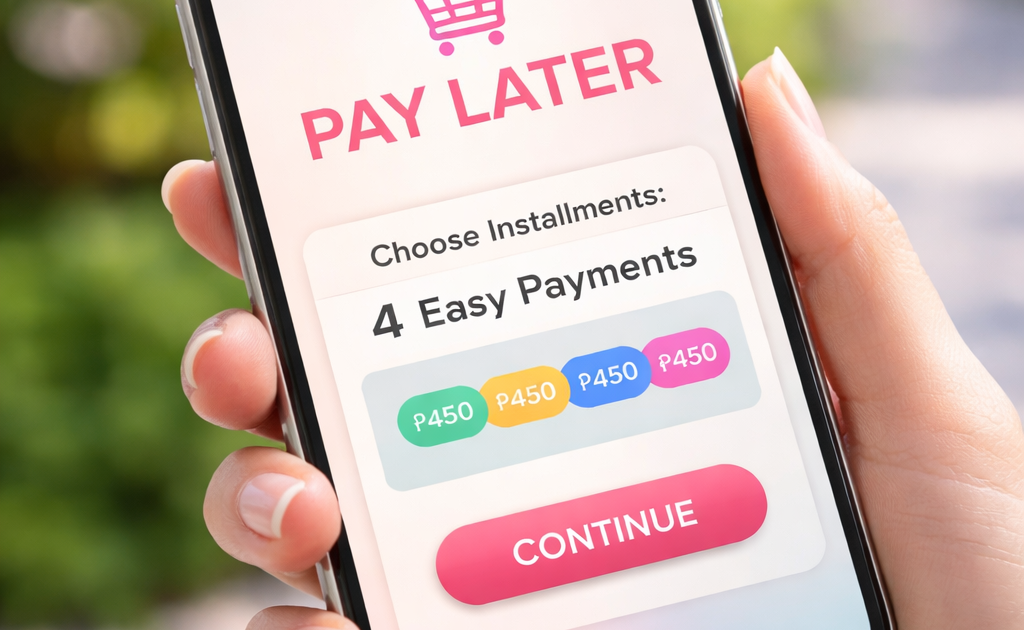
Buy Now, Pay Later (BNPL) is rapidly redefining how Filipinos approach beauty and skincare purchases, signaling a shift toward more flexible, digital-first spending habits.
What was once a category driven by budgeting and planned purchases is now increasingly influenced by accessibility and convenience. Through BNPL services, consumers can instantly access premium skincare products and pay for them in smaller, staggered amounts, removing the barrier of high upfront costs.
This shift is particularly evident among younger Filipinos, who are more open to alternative payment solutions and are heavily influenced by online trends and recommendations.
Instead of delaying gratification, they can now act on impulse, purchasing trending serums, treatments, or beauty tools as soon as they discover them online.
At the same time, e-wallets such as GCash and Maya are reinforcing this behavior by making transactions faster and more seamless. With just a few taps, users can complete purchases without the need for traditional banking tools like credit cards.
Together, BNPL and e-wallets are not just changing how Filipinos pay — they are reshaping when and why they buy, turning beauty consumption into a more immediate, accessible, and digitally driven experience.
Installment culture is reshaping beauty spending
For beauty consumers, particularly Gen Z and millennials, these payment innovations are lowering the barrier to entry for higher-priced skincare products.
BNPL services allow users to split payments into smaller installments, often without interest, making premium serums, dermatological treatments, and trending products more accessible.
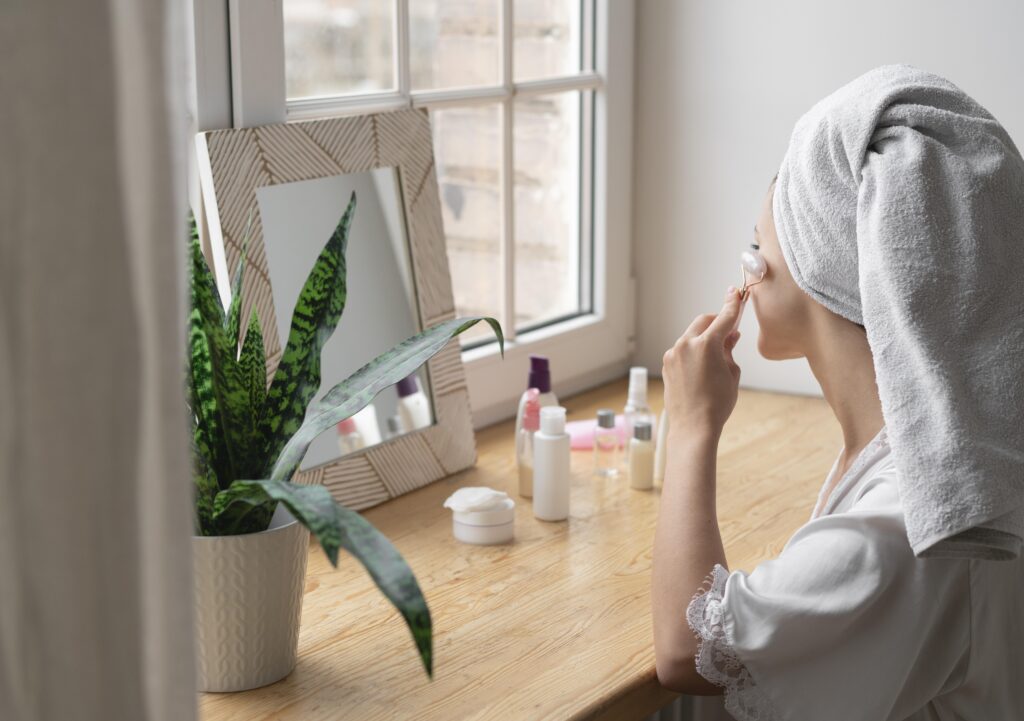
A woman doing self-skincare routine at home (IMAGE CREDIT: shutterstock.com)
Flexible payment schemes are a key driver of BNPL adoption, especially in markets like the Philippines, where credit card penetration remains limited.
However, this convenience is also shifting buying behavior. BNPL users are more likely to make frequent purchases and engage in impulse spending, especially on non-essential items such as beauty and lifestyle products.
In skincare, where trends move quickly, this means consumers can instantly purchase products they discover online and defer the financial impact over time. This dynamic is further amplified by social media, where product virality can trigger immediate demand.
With seamless checkout options integrated into digital platforms, consumers are less likely to pause and reconsider purchases, reinforcing a culture of real-time, trend-driven consumption.
Influencer-driven commerce accelerates demand
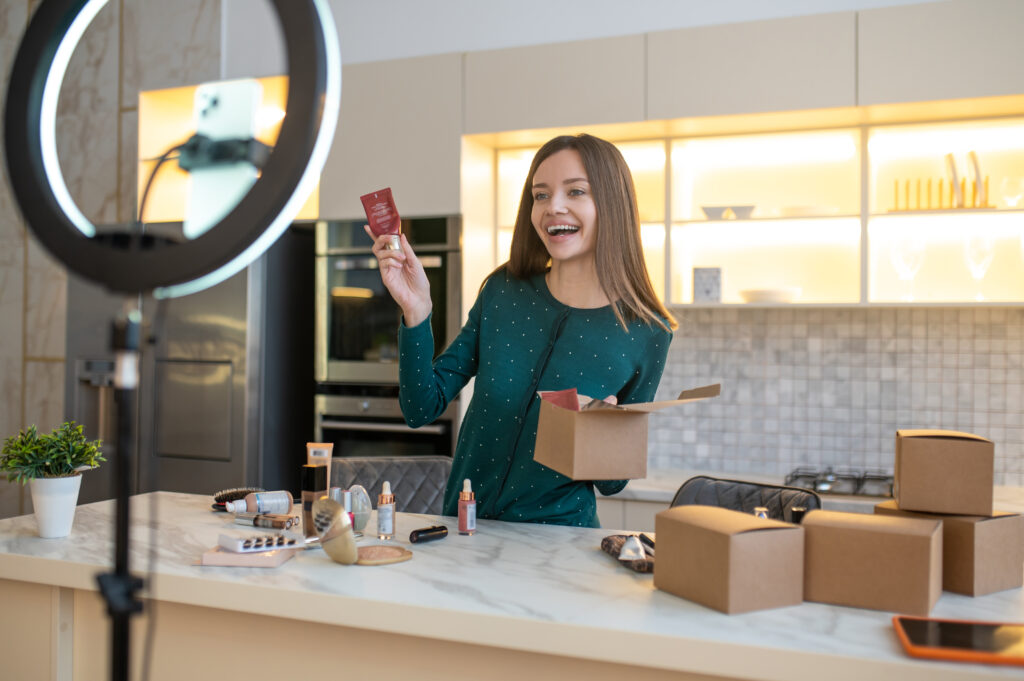
A KOL demonstrating new products for skin care (IMAGE CREDIT: shutterstock.com)
The intersection of fintech and beauty is further amplified by influencer-led marketing. Nearly half of Filipino online shoppers report purchasing products they discovered on social media within a three-month period.
This creates a powerful ecosystem where influencers spark interest, e-wallets enable seamless checkout, and BNPL options make higher-priced products feel more attainable.
Live-selling and short-form video platforms have further strengthened this trend across social media channels, particularly in beauty categories where product demonstrations and reviews directly affect purchase decisions.
As a result, shopping has become more immediate and emotionally driven — supported by payment tools that remove traditional financial friction.
Fintech expands access but raises caution
The broader e-commerce landscape reinforces this shift. The Philippine e-commerce market reached US$28 billion in 2024 and is projected to grow to US$40.5 billion by 2027, reflecting rising digital consumption across sectors, including beauty.
Mobile wallets alone account for more than 60% of transaction value, highlighting how fintech infrastructure is fueling this expansion.
Yet, alongside increased access comes potential risk. Experts warn that BNPL services may lead to debt accumulation and late payments, particularly when used for discretionary spending.
Still, for many Filipinos, these tools represent financial inclusion, providing access to goods and services for those without traditional banking or credit.
As fintech and beauty continue to converge, the Filipino consumer journey is becoming more digital, more flexible, and more immediate.
In this evolving landscape, skincare is no longer just about self-care — it’s also about how consumers choose to pay for it.