If you’ve tried adobo once, it’s easy to think you already know it. Truth is, you’ve probably only met one version of it.
Across the Philippines, adobo is less a fixed recipe and more a culinary philosophy — built on vinegar, protein, heat, and whatever ingredients a region has close at hand.
While the foundation remains familiar, the flavors, textures, and techniques shift dramatically from one province to the next.
Luzon: The classic foundation
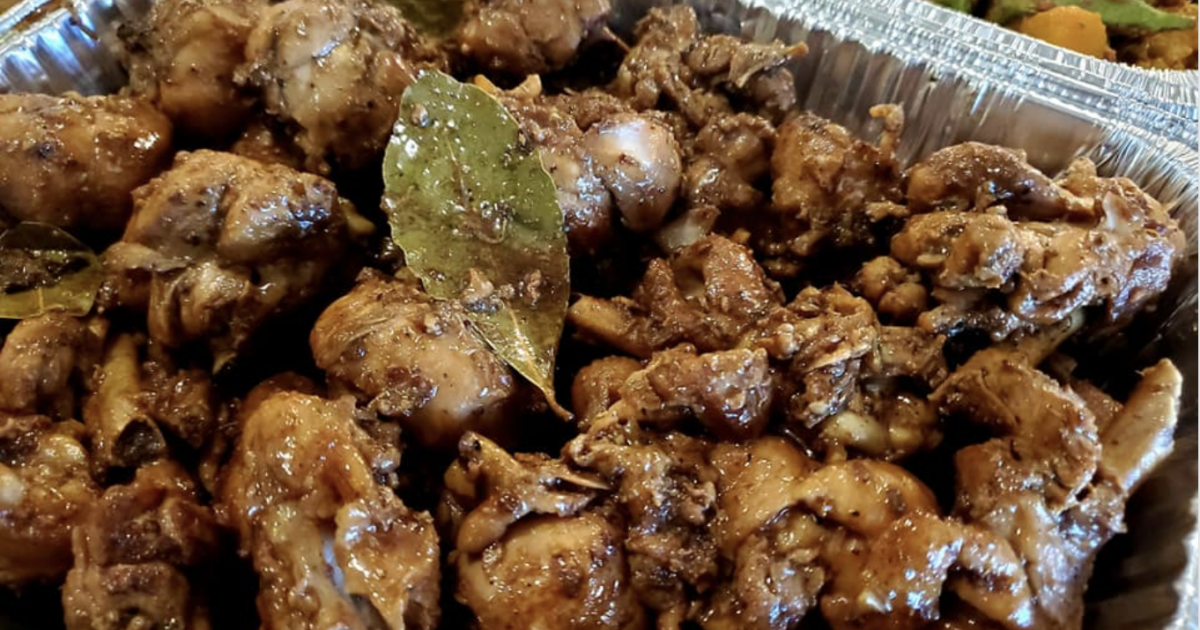
In many Tagalog-speaking regions, this recipe stays true to what most people recognize as the classic version. Pork or chicken is slowly simmered in soy sauce, vinegar, garlic, peppercorns, and bay leaves until the sauce reduces into a rich, glossy coating.
It’s savory, tangy, and deeply comforting — the version that has become synonymous with Filipino cuisine around the world.
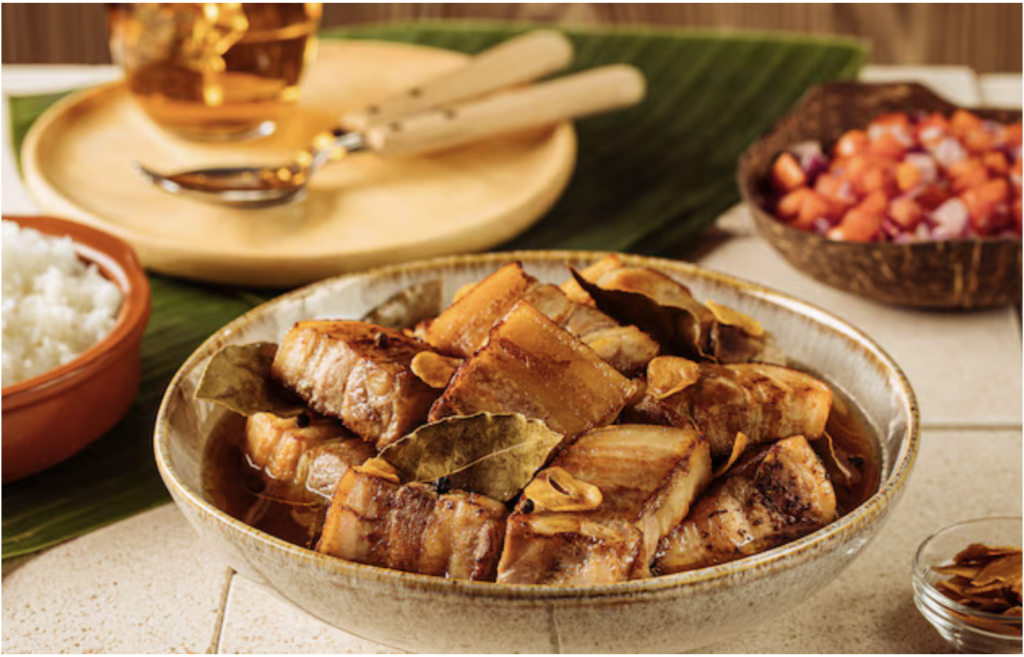
Adobong Puti from Luzon
But Luzon also offers one of the recipe’s most surprising reinventions.
In Cavite, there’s adobong puti, or white adobo, which strips the dish back to its essentials. No soy sauce, no dark glaze — just vinegar, garlic, salt, and time.
The result is lighter in appearance but no less flavorful, with a clean, sharp profile that highlights adobo’s pre-colonial roots.
Visayas: Bright, tangy, and deeply local
In the Visayas, adobo often leans more intensely sour.
Many versions use coconut vinegar, which delivers a gentler, more rounded acidity than cane vinegar. Some recipes skip soy sauce altogether, allowing the vinegar and aromatics to take center stage.
In parts of Eastern Visayas, particularly Leyte and Samar, smoked pork or dried fish may find their way into the pot. These additions create a deeper, earthier flavor that gives each bite a distinctly regional character.
It’s your favorite viand with more edge — and plenty of personality.
Bicol: Richness with a fiery kick
Bicol takes adobo in a creamier direction by adding coconut milk.
The result is rich, velvety, and slightly sweet, balancing beautifully against the sharpness of vinegar. Add bird’s eye chilies, and the dish becomes unmistakably Bicolano: comforting at first, then delightfully fiery.
It’s one of the country’s most beloved regional interpretations for good reason.
Mindanao: Warm, spiced, and layered
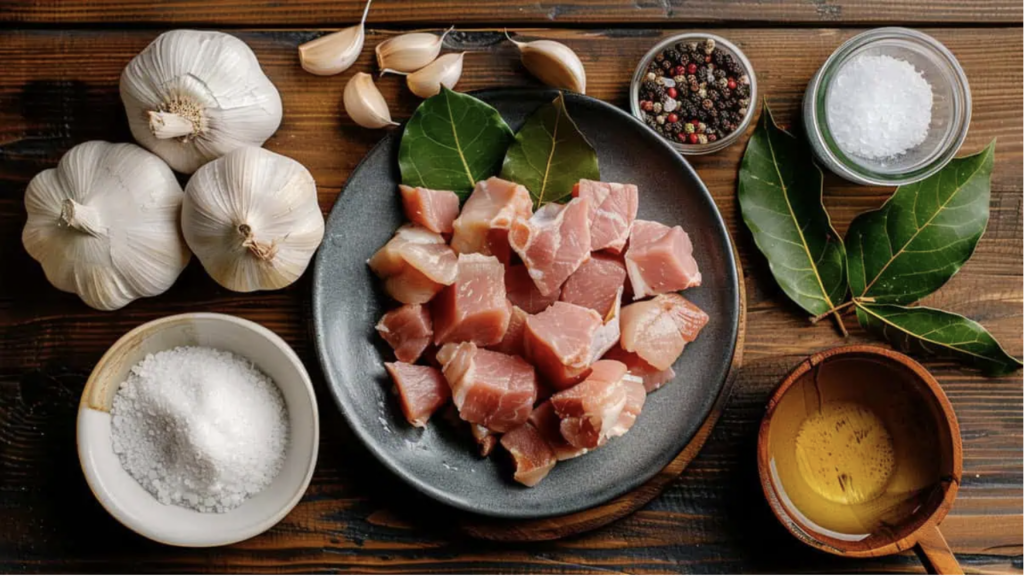
IMAGE CREDIT: Kusinang Pinoy
In parts of Mindanao, adobo takes on warmer, earthier notes through the use of turmeric and ginger.
These spices reflect the island’s diverse culinary influences, shaped by indigenous traditions and centuries of Malay and Muslim cultural exchange.
The result is aromatic, vibrant, and strikingly different from the soy-forward versions many know.
More than just a dish
Every regional variation of adobo tells a story about place — about local harvests, preservation techniques, and the communities that shaped each recipe over generations.
That’s what makes adobo worth exploring across the archipelago.
One dish. Countless identities. Endless reasons to keep tasting.