When it comes to health, many people only pay attention when something feels wrong.
But more Filipinos today are beginning to embrace a different mindset: protecting their health early instead of waiting for illness to happen.
The good news is that preventive health doesn’t require drastic lifestyle changes or complicated medical routines. In many cases, it starts with small, intentional steps that can make a meaningful difference over time.
At its core, preventive health is about reducing your risk of disease or catching health concerns early, when they are easier to manage. This can include routine check-ups, recommended screenings, and staying up to date with vaccinations.
If you’re not sure where to begin, here are simple ways to make prevention part of your everyday routine:
1. Start with a routine check-up
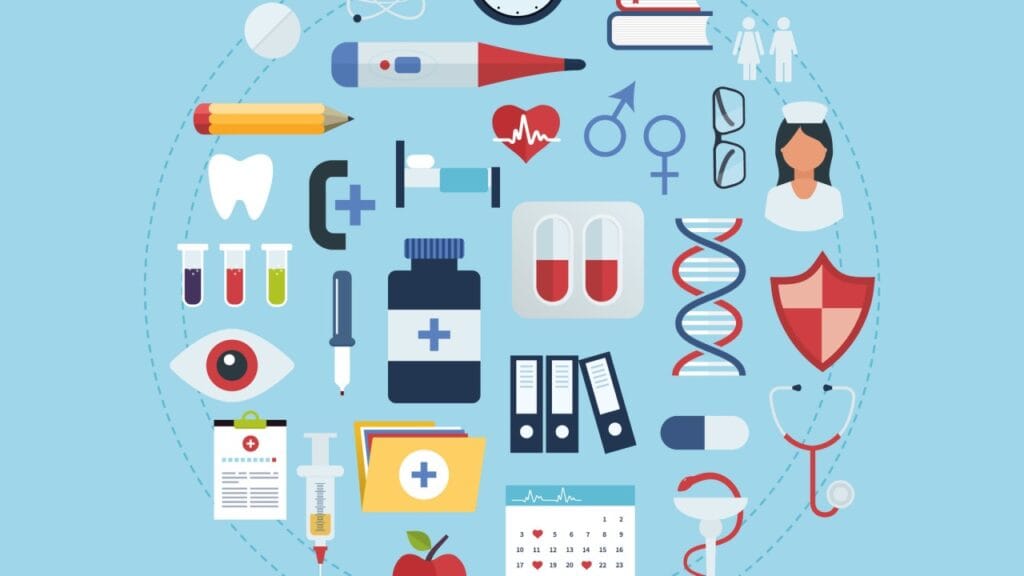
One of the easiest and most important ways to take charge of your health is to schedule a check-up, even if you feel perfectly fine.
Annual physical exams help establish your baseline health and allow doctors to detect possible warning signs before they become serious.
These consultations also give you the opportunity to discuss your lifestyle, family medical history, and any risk factors that may require closer attention.
Today, this has become more accessible than ever.
Whether through telemedicine consultations or in-clinic visits, Filipinos can easily connect with healthcare professionals for personalized advice based on their needs.
Across the country, public hospitals, community health centers, and local government units also offer affordable or free healthcare services, making preventive care more accessible for families.
2. Stay updated on recommended screenings
Preventive care goes beyond simply seeing a doctor.
Screenings play a critical role in identifying health risks before symptoms appear. Early detection often leads to better treatment outcomes and can significantly reduce long-term health complications.
Your doctor can recommend which screenings are appropriate based on your age, health history, and lifestyle.
Making these screenings part of your health routine can help you stay one step ahead.
3. Make vaccinations part of your health routine
Vaccination remains one of the most effective tools for preventing serious illness.
While many people associate vaccines with childhood immunization, adults also benefit from staying protected through recommended vaccines.
Access to vaccination has expanded significantly in recent years.
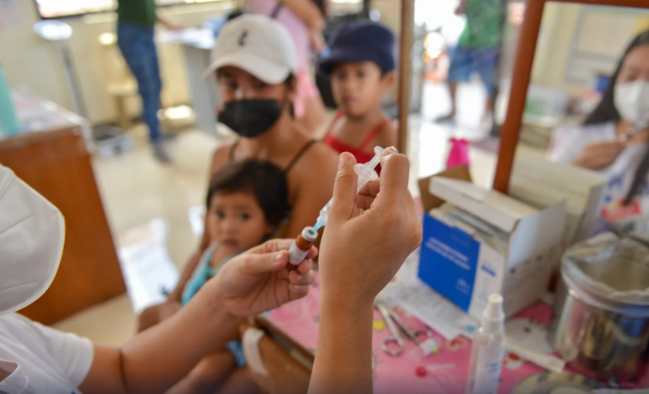
In addition to hospitals and clinics, Filipinos can now receive vaccines through select pharmacies and dedicated vaccination hubs, making it easier to fit preventive healthcare into busy schedules.
This means protecting your health can be as convenient as stopping by a nearby pharmacy while running errands.

4. Know which diseases can be prevented
Some serious diseases can be prevented through vaccination and regular screening.
For example, Hepatitis B vaccination helps protect against liver cancer.
Meanwhile, cervical cancer — one of the most common cancers affecting women — is largely caused by the human papillomavirus (HPV) and may be prevented through vaccination and regular screening.
Understanding these options allows individuals to make informed decisions about long-term health protection.
5. Take advantage of accessible healthcare options
Preventive healthcare is becoming more convenient for Filipinos.
Beyond traditional healthcare facilities, trained and certified pharmacy vaccinators are now able to administer vaccines in select pharmacies and vaccination hubs.
From flu and pneumonia vaccines to HPV and Hepatitis B protection, preventive care is increasingly becoming part of everyday healthcare access.
School-based immunization programs and community health initiatives also continue to expand protection efforts nationwide, helping reduce health risks early.
6. Build prevention into your everyday habits
Preventive health does not require dramatic changes.
Sometimes, it can be as simple as:
- Booking a quick consultation
- Scheduling an overdue screening
- Visiting your nearest vaccination hub
- Setting reminders for annual check-ups
The key is consistency.
Small actions taken regularly often create the strongest long-term health outcomes.
Prevention starts now
Taking care of your health is one of the most important investments you can make.
And often, the best protection is not something reactive — it is something proactive.
A simple check-up today, a scheduled screening next week, or a visit to your nearest pharmacy could be the first step toward better long-term health.
Because when it comes to your future, prevention is one of the most powerful choices you can make.
To learn more about vaccination hubs and preventive healthcare options, visit guardagainsthpv.ph/hpv-prevention and explore the next steps toward protecting your health.
About MSD
MSD (known as Merck & Co., Inc., Rahway, N.J., USA in the United States and Canada) is united by one purpose: using the power of leading-edge science to save and improve lives around the world.
For more than 130 years, MSD has developed important medicines and vaccines that bring hope to people globally.
The company continues to advance innovative health solutions focused on disease prevention and treatment for people and animals, while fostering a diverse and inclusive global workforce and supporting a safe, sustainable, and healthy future for communities worldwide.
For more information, visit www.msd.com.ph.