Pickleball has a way of pulling people in quietly.
You try it once (maybe out of curiosity, or maybe because a friend insists) and before you know it, you’re staying longer on the court than planned.
What looks like a light, almost playful game turns out to be something more: a workout that doesn’t feel like one, and a habit that’s surprisingly easy to keep.
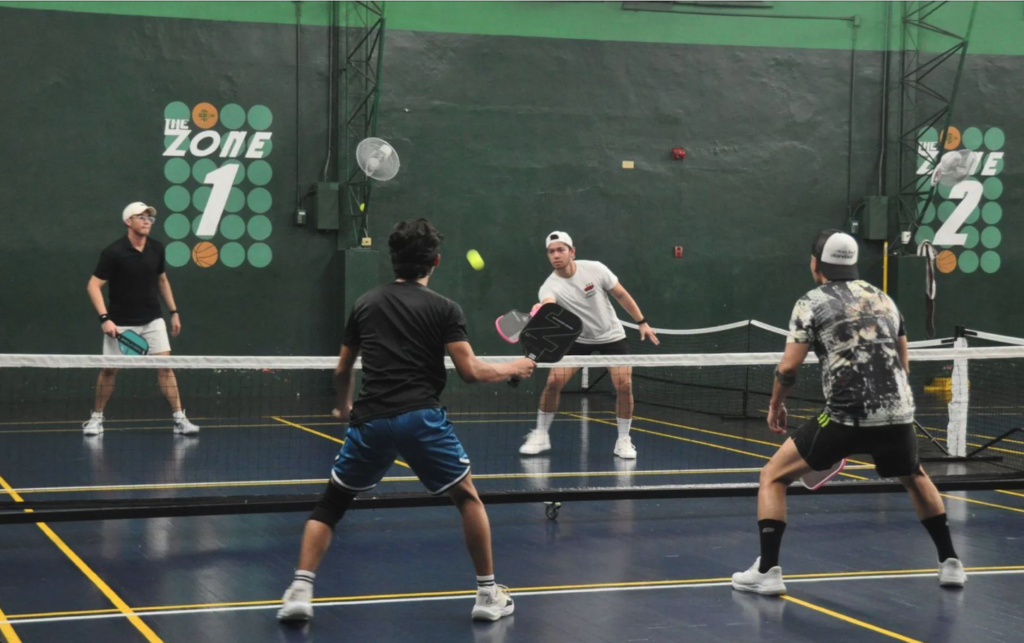
Behind its easygoing pace is a sport that checks a lot of boxes when it comes to health. And not in the intense, all-or-nothing way most workouts demand — but in a way that feels sustainable, even enjoyable.
Here’s what pickleball is really doing for your body (and your mind) while you’re busy keeping the ball in play.
1. It works your whole body without overwhelming you
There’s a rhythm to pickleball. You step forward, pivot, swing, recover. It’s constant but controlled. Over time, that rhythm engages your legs, core, and upper body all at once — without the exhaustion that usually comes with full-body workouts.
2. It builds heart health in a more manageable way
You won’t always notice it, but your heart will. The mix of steady movement and quick bursts keeps your cardiovascular system active, helping improve endurance and circulation — without pushing you to your limits.
3. It’s kinder to your joints than most sports
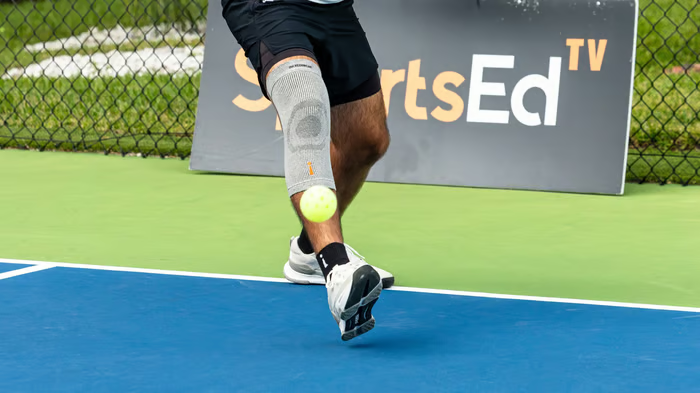
Because the court is smaller and the movements are more controlled, there’s less strain on your knees and ankles. It’s one of the reasons pickleball appeals to a wide range of players — from complete beginners to those returning to exercise after a break.
4. It sharpens your coordination without you realizing it
The game moves fast enough to keep you alert. You’re tracking the ball, adjusting your position, timing your swing — all in a matter of seconds. Over time, that repetition improves hand-eye coordination and reaction time in a way that feels almost effortless.
5. It helps you stay active consistently
Pickleball doesn’t demand peak performance every time you play. And that’s exactly why it works. It’s easier to come back to, easier to enjoy, and easier to turn into a regular habit — which matters more than intensity in the long run.
6. It builds strength through repetition, not pressure
Every swing, every step, every rally adds up. Instead of pushing heavy weights or forcing high-impact movements, pickleball strengthens your muscles gradually — especially in your arms, shoulders, legs, and core.
7. It keeps your mind engaged, not just your body
There’s a subtle strategy to the game. Where you place the ball, how you anticipate your opponent’s move, when you choose to slow things down — it all requires focus. It’s the kind of mental engagement that makes time pass quickly.
8. It naturally lifts your mood
Part of it is the movement. Part of it is the people. Either way, pickleball creates an environment that feels light and social, something that naturally helps reduce stress and improve your overall mood.
9. It makes exercise feel less like a routine
Because most games are played in pairs or groups, it feels more like a shared activity than a solo workout. You show up, play a few rounds, and talk in between. Without realizing it, you’ve already spent an hour moving.
10. It’s one of the easiest sports to start (and stick with)
You don’t need a long learning curve or expensive gear to begin. That simplicity removes the usual barriers that stop people from staying active, and makes it easier to keep going.
The real reason it’s catching on
Pickleball works because it fits into real life.
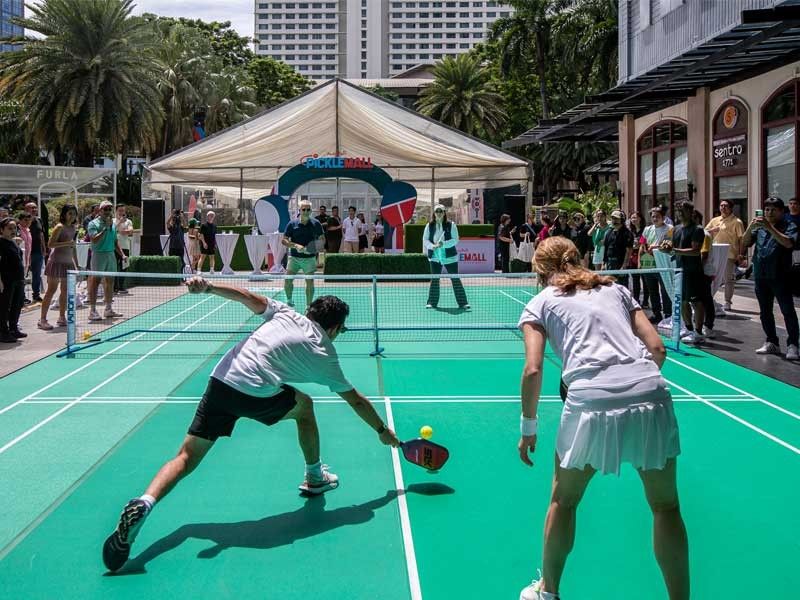
It doesn’t require you to overhaul your schedule or push your limits every session.
It meets you where you are — whether you’re easing into fitness or just looking for something that feels good to do after a long day.
And in a city where time, space, and energy can all feel limited, that kind of movement matters.