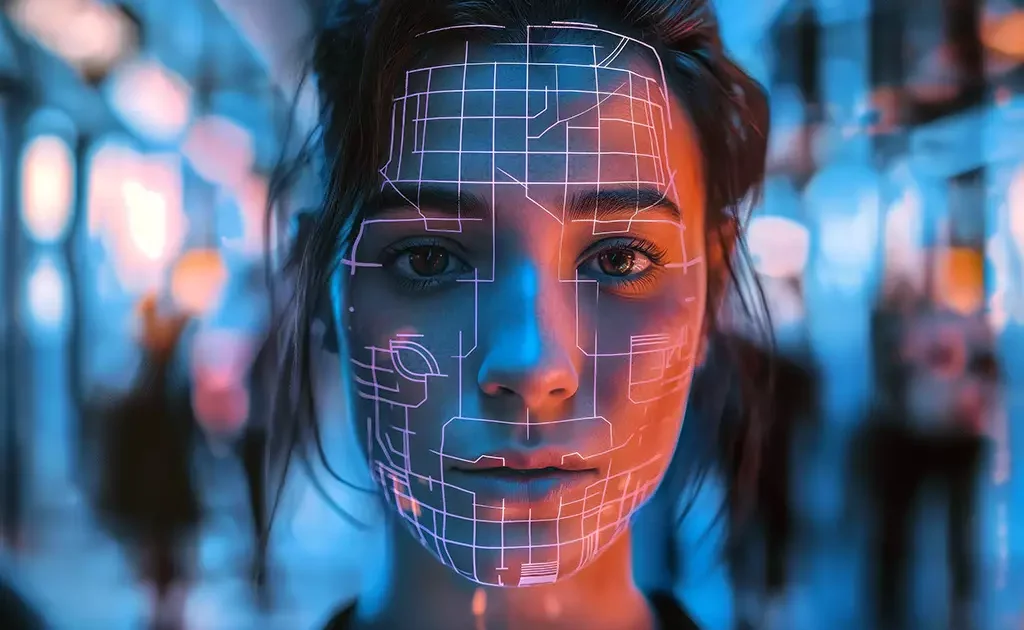
Celebrity deepfakes are rapidly emerging as one of the most dangerous tools in modern cybercrime, especially as scammers exploit the likeness of public figures to promote fake investment schemes, fraudulent endorsements, and identity theft operations.
In the Philippines and beyond, celebrity deepfakes are no longer just digital curiosities—they are becoming strategic weapons used to manipulate trust and drive financial deception at scale.
As social media continues to blur the line between real and synthetic content, the risks tied to Celebrity deepfakes are growing more complex and harder to detect.
What makes celebrity deepfakes particularly alarming is how easily they can be weaponized in fast-moving online environments. Once a local personality or well-known figure is linked—whether truthfully or falsely—to a scam or controversial issue, cybercriminals quickly leverage that attention by creating manipulated videos or audio clips. These celebrity deepfakes are then circulated to amplify misinformation, confuse audiences, and ultimately push fraudulent financial schemes that appear credible at first glance.
The Rise of Synthetic Trust in Digital Scams
Celebrity deepfakes are reshaping how trust is manufactured online, especially in financial scams that rely heavily on perceived credibility. Fraudsters no longer need to build elaborate fake personas from scratch; instead, they can synthesize realistic videos of celebrities endorsing crypto investments, lending platforms, or “guaranteed return” schemes. This manipulation creates an illusion of legitimacy that many users struggle to question in real time.
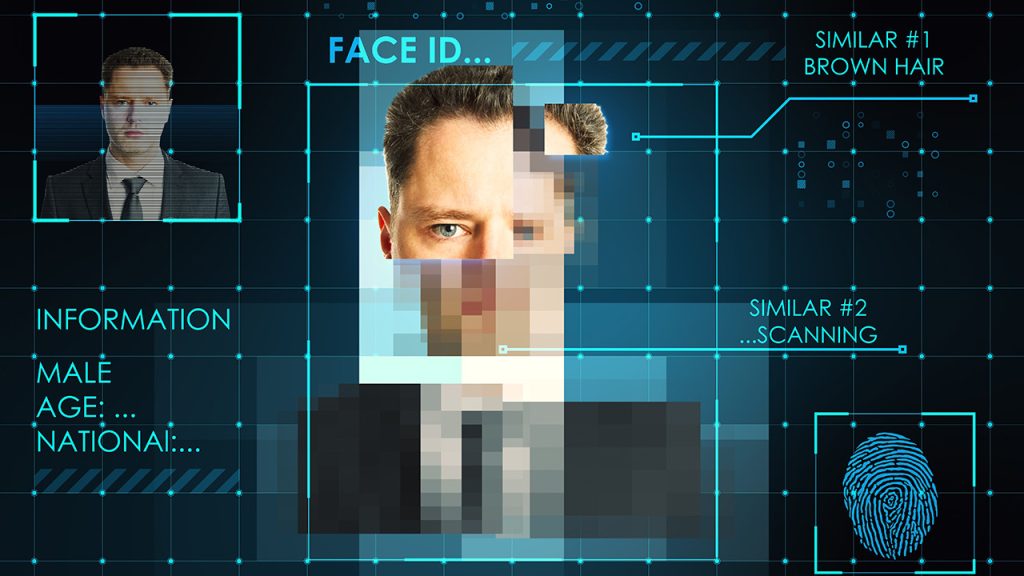
In many cases, these celebrity deepfakes are paired with hacked accounts, fake news pages, or cloned websites, forming a complete ecosystem of deception. When audiences see a familiar face speaking confidently about financial opportunity, the psychological barrier to skepticism weakens. This makes Celebrity deepfakes not just a technological issue, but a behavioral one—rooted in trust, familiarity, and urgency.
The financial damage can be significant, particularly in emerging digital economies where social media serves as a primary source of information. Victims often act quickly without verification, believing that a trusted public figure would not be associated with fraudulent activity. This is where Celebrity deepfakes become especially effective as tools of persuasion.
How Scammers Exploit Reputation Crises and Viral Moments
One of the most concerning trends in the rise of celebrity deepfakes is how cybercriminals capitalize on ongoing controversies or viral scandals. When a public figure becomes the subject of misinformation or is falsely linked to a scheme, attackers amplify the confusion by generating synthetic content that appears to confirm the narrative.
![DECODED] When scammers strike, brands swim in treacherous waters](https://www.rappler.com/tachyon/2025/06/decoded-scam-alert-brands-reputation.jpg)
This tactic creates a dangerous feedback loop. A rumor spreads, Celebrity deepfakes reinforce it, and public perception becomes increasingly distorted. Even after clarification or denial from the individuals involved, the synthetic content continues circulating, often outpacing official statements in reach and engagement.
Reports and industry studies, including insights from digital verification technologies such as those discussed in iProov-related research, highlight how deepfake content significantly erodes public confidence in what is real online. Once users lose the ability to easily distinguish authentic media from manipulated ones, every piece of content—especially Celebrity deepfakes—becomes suspect, complicating both trust and communication in digital spaces.
The Challenge of Digital Verification in the Age of Deepfakes
As celebrity deepfakes become more sophisticated, traditional methods of verification struggle to keep up. Basic visual inspection is no longer enough, as modern AI-generated videos can replicate facial expressions, voice tones, and even subtle behavioral patterns with alarming accuracy.
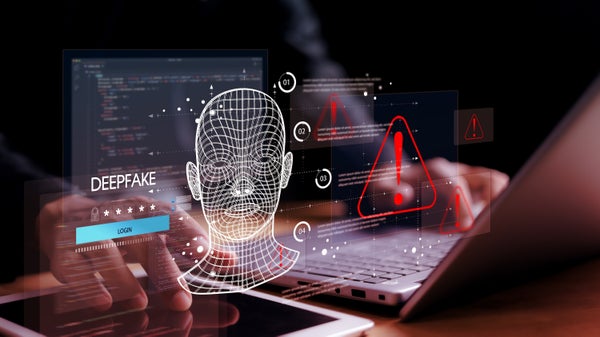
Digital verification systems are evolving, but they face an ongoing arms race against increasingly advanced generative models. Platforms are experimenting with biometric authentication, watermarking systems, and AI-based detection tools, yet none offer a foolproof solution. The growing realism of Celebrity deepfakes means that detection often happens after the content has already spread widely.
For users, this shift requires a stronger culture of skepticism and verification. Cross-checking sources, relying on official announcements, and being cautious of financial claims tied to celebrity endorsements are becoming essential digital survival skills. As Celebrity deepfakes continue to blur reality, trust must increasingly be earned through verification rather than assumption.
The Illusion Breaks: Rebuilding Trust in a Synthetic World
The rise of celebrity deepfakes signals a turning point in how society perceives digital authenticity. What was once considered entertainment or experimental technology is now deeply intertwined with fraud, misinformation, and identity misuse. As cybercriminals refine their methods, the burden of proof is shifting toward users, platforms, and verification systems alike.
Ultimately, the challenge is not just about detecting fake content—it is about rebuilding trust in a digital environment where seeing is no longer believing. In the era of Celebrity deepfakes, truth must be verified, not assumed, and awareness becomes the strongest defense against deception.