For many Filipinos, Labor Day is more than just a calendar holiday. It is a reminder of what work is meant to make possible — security, dignity, and, for some, the freedom to finally live on their own.
But for a growing number of young professionals, that milestone now comes with a quieter, more pressing question: does a single income still stretch far enough to make living alone realistic?
In 2026, solo living is no longer just a marker of independence. It is increasingly a monthly balancing act shaped by rent, groceries, transport, and the everyday cost of simply getting by.
Against the backdrop of Labor Day, the realities of solo living offer a clearer view of how far a single income can stretch today.
Rent now defines the boundary of independence
For most solo dwellers, rent is the first and biggest reality check.
In Metro Manila, studio units commonly range from ₱8,000 to over ₱20,000 a month, depending on location and building quality. Even outside the capital, prices have steadily edged upward as demand for compact, accessible units grows.
But the real strain often starts before move-in.
Deposits, advance rent, utility connections, and basic furnishings can easily require tens of thousands of pesos upfront, turning independence into a significant financial commitment before the first month even begins.
Utilities are “manageable” — until they stack up

IMAGE CREDIT: Freepik
Electricity, water, internet, and mobile plans rarely feel overwhelming on their own. But living alone means absorbing all of it without shared costs.
In a country where many areas are now experiencing sweltering temperatures, with heat indices frequently exceeding 40°C, electricity use has become even harder to predict. Air conditioning, once a seasonal comfort, is increasingly turning into a daily necessity for many households just to get through work and rest hours.
As a result, power consumption — and monthly bills — can climb quickly during the hottest months.
It is not one big expense that breaks the budget. It is the steady accumulation of several “small” ones.
Food is where discipline gets tested

IMAGE CREDIT: stock.adobe.com
If rent sets the baseline, food often determines whether the budget holds.
Cooking for one sounds simple in theory, but in practice it is often inefficient. Ingredients spoil faster, portions cost more per serving, and grocery trips can feel wasteful if not carefully planned.
That is why many solo dwellers shift between cooking and convenience — but convenience comes at a price. Food delivery and takeout, while practical after long workdays, can quietly become one of the largest monthly spending categories.
The pattern is familiar: not overspending in one moment, but small, repeated decisions that gradually stretch the budget thinner than expected.
Convenience has a price tag
Labor Day often highlights the value of effort and work. But in daily life, that effort sometimes gets traded for convenience — and convenience costs money.
Laundry services, ride-hailing apps, delivery platforms, and subscriptions are now part of everyday urban living. None are excessive on their own, but together they reshape how a salary is spent.
For many workers living alone, the challenge is no longer access — it is control over accumulated comfort spending.
The financial weight of being alone
Unlike shared households, solo living also means carrying every unexpected expense alone.
A broken appliance, a medical bill, or even a short gap in income does not get split or shared. It lands entirely on one person’s budget.
This is where financial resilience is tested — not in theory, but in real, often unplanned moments.
Still, independence remains the goal
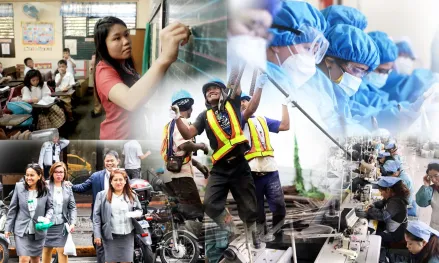
IMAGE CREDIT: stock.adobe.com
Despite rising costs, solo living continues to grow among young Filipino professionals. But the approach has changed.
Location decisions are now more calculated: living closer to work to save on transport, even if rent is higher. Food habits are more flexible, mixing home cooking with convenience. Spending itself has become more intentional, with many prioritizing comfort and mental space over strict austerity.
Even modest savings buffers are now seen less as financial advice and more as practical necessity.
A different Labor Day reflection
This Labor Day, solo living quietly reflects a larger reality about work in today’s economy.
Earning an income is no longer the only benchmark of independence. How far that income stretches — and how well it supports a fully independent life — has become just as important.
Living alone in 2026 is still achievable for many Filipinos. But it is no longer effortless, and it is certainly not cheap.
Still, for those who choose it, the appeal remains clear: independence, control, and the space to build a life on their own terms — even if it now comes with a more careful accounting of every peso spent.