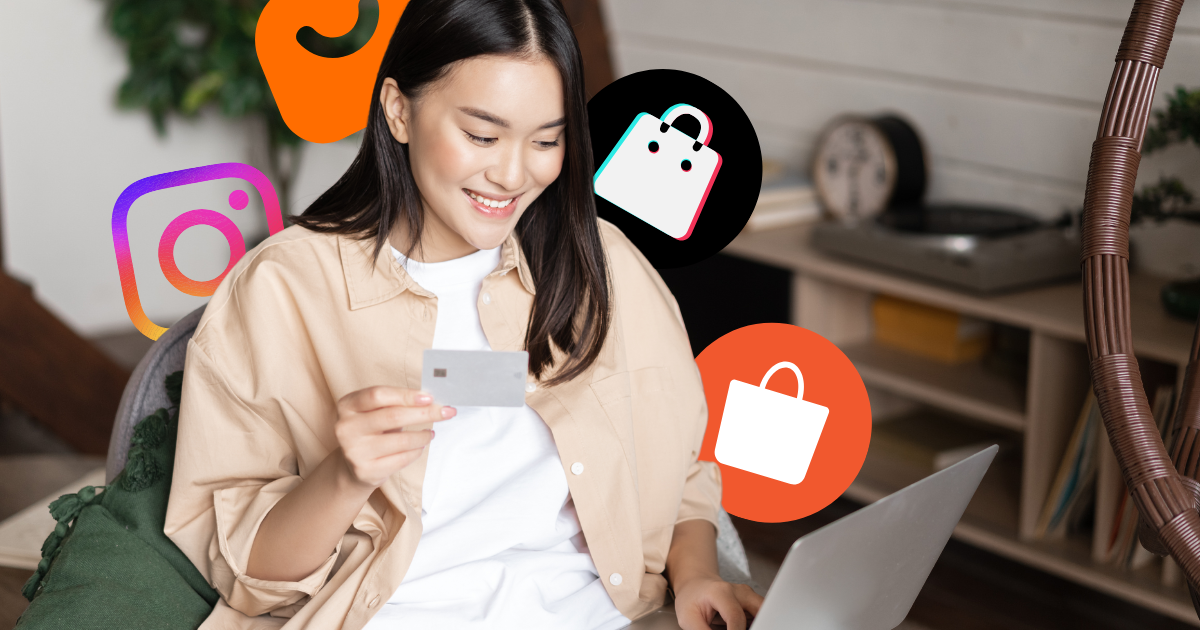
The rise of TikTok-driven shopping in the Philippines highlights how everyday digital habits are reshaping the way Filipinos spend.
A few minutes of scrolling can quickly turn into a series of product discoveries, from skincare and home finds to everyday essentials promoted through short-form videos.
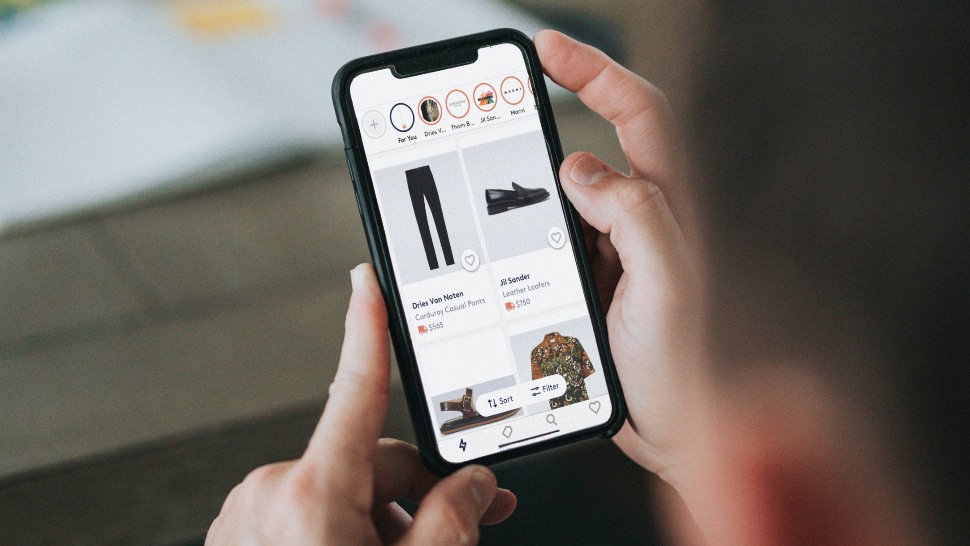
IMAGE CREDIT: stock.adobe.com
What begins as casual browsing often leads to unplanned purchases.
As more Filipinos engage with content-driven platforms, social media is no longer just influencing trends — it is actively shaping consumer behavior.
TikTok shopping and the rise of “budol culture”
One of the most visible indicators of this shift is the rise of “budol culture.” Once associated with scams, the term has been redefined online to describe persuasive product recommendations that encourage impulse buying.
On TikTok, creators regularly share product reviews, “budol” hauls, and “worth it” breakdowns that feel casual and unscripted. These videos often present products as personal discoveries rather than advertisements.
This format makes recommendations feel more relatable and trustworthy, particularly for Filipino audiences who respond to conversational and localized content.
As a result, viewers are more likely to consider products they had no initial intention of buying.
How TikTok compresses the buying journey
TikTok has significantly shortened the traditional buying process.
Instead of moving between platforms, users can now discover a product, watch multiple reviews, and make a purchase within a single session. Comment sections also serve as quick feedback loops, allowing users to validate their decisions almost instantly.
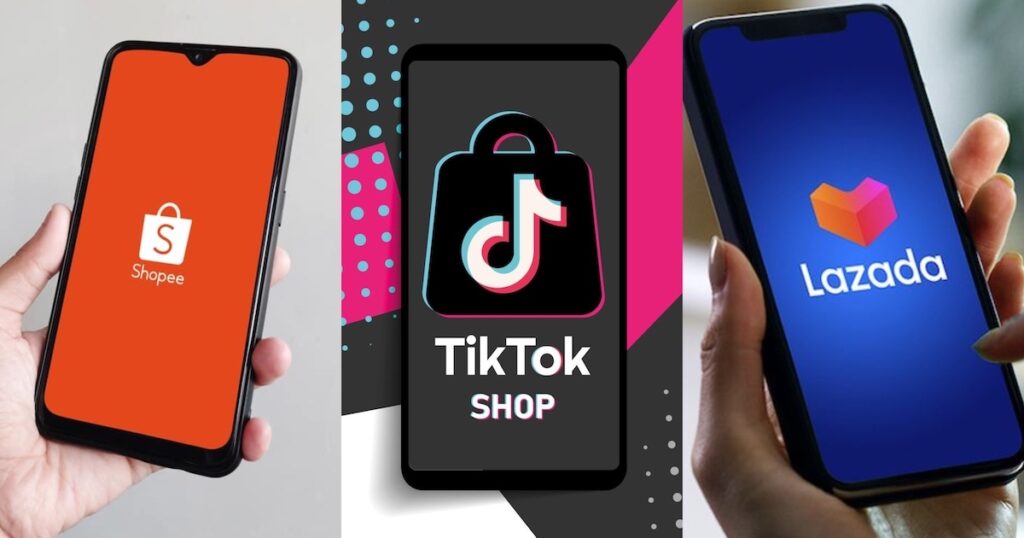
IMAGE CREDIT: stock.adobe.com
E-commerce integrations such as TikTok Shop, along with links to platforms like Shopee and Lazada, further streamline this process.
The result is a faster and more seamless transition from interest to purchase.
The role of digital payments in impulsive spending
The growth of digital wallets and mobile banking has made transactions more accessible than ever.
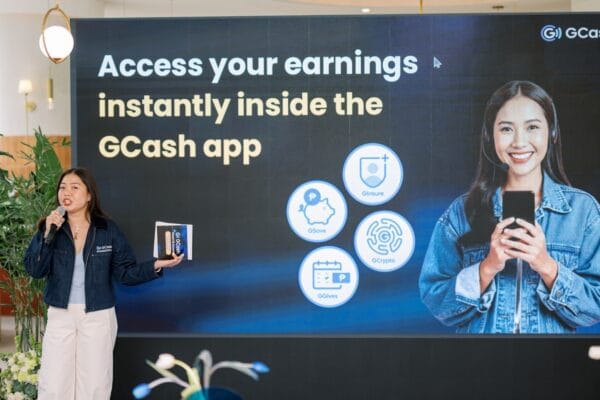
With platforms like GCash and Maya, purchases can be completed within seconds, removing the friction that once slowed down spending decisions. The absence of physical cash also reduces the psychological pause that typically accompanies payment.
IMAGE CREDIT: alamy.com
Buy Now, Pay Later (BNPL) services add another layer of convenience. By splitting payments into smaller amounts, these options make higher-value purchases feel more manageable.
Together, these fintech tools contribute to a spending environment where impulse buying becomes easier to act on.
Influencers as digital storefronts
Social media has also changed how products are presented and evaluated.
Instead of browsing traditional stores, consumers now browse creators. Influencers act as digital storefronts, introducing products through personal experiences and recommendations.
Micro-influencers, in particular, play a significant role. Their smaller but highly engaged audiences make their endorsements feel more authentic and credible.
For brands, this represents a shift in marketing strategy—from direct advertising to content integration within everyday digital experiences.
The psychology behind TikTok-driven spending
The effectiveness of TikTok-driven shopping lies in both technology and behavior.
The platform’s algorithm continuously refines content based on user activity, often amplifying product-related videos once interest is detected. This creates repeated exposure, reinforcing desire over time.
In addition, features such as limited-time deals and “checkout now” prompts introduce a sense of urgency. These elements tap into fear of missing out (FOMO), encouraging faster decision-making.
For younger consumers, particularly Gen Z, purchasing is also tied to participation in digital culture. Buying a product becomes part of the content experience—something to share, review, and engage with.
A shift in Filipino consumer habits
While impulse buying is not new, the speed and scale at which it occurs today are significantly different.
Social media platforms have merged entertainment, recommendation, and transaction into a single experience. This has transformed how Filipinos interact with products and make purchasing decisions.
In the Philippines, where social media usage is deeply embedded in daily life, this shift is becoming increasingly evident.
Spending in the digital age
As TikTok continues to influence consumer behavior, conversations around mindful spending are also emerging.
Some users are beginning to question impulsive purchases and explore more intentional consumption habits. Trends such as “de-influencing” reflect a growing awareness of how digital platforms shape spending decisions.
However, the convenience and accessibility of social commerce remain strong.
The phrase “TikTok made me buy it” reflects more than a passing trend. It captures a broader shift in how Filipinos discover, evaluate, and ultimately decide to spend.