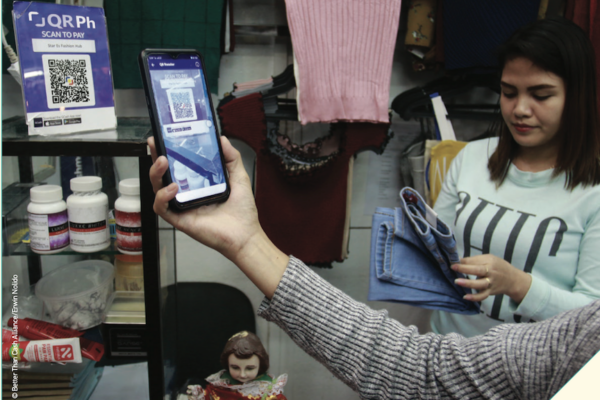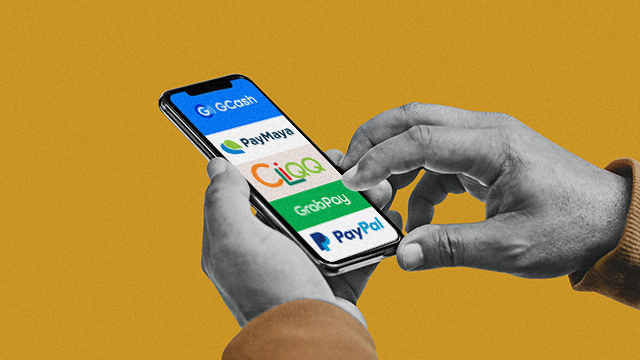
Tapping, scanning, sending, subscribing, and paying bills from your phone has made everyday spending in the Philippines easier than ever. But while cashless payments can remove the hassle of carrying bills and coins, the convenience can come with a price that is easy to overlook.
A few pesos for a transfer, a service charge here, a convenience fee there, and another monthly subscription might not feel like much individually. Add them all together, however, and the “small” costs of living digitally can quietly become a noticeable part of your monthly spending.
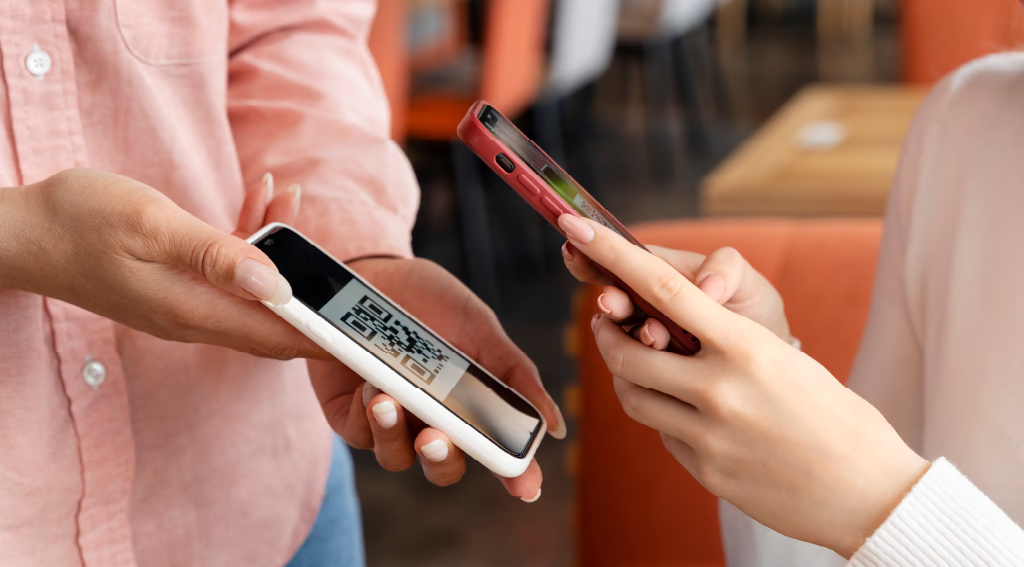
The Philippines’ cashless economy continues to expand, with digital payment options appearing everywhere from e-wallets and online shopping platforms to transport systems and physical stores. ABS-CBN News’ recent look at eTap’s push into cashless payments also reflects a bigger reality: the country’s digital payment market is becoming increasingly crowded, but convenience alone does not guarantee that going cashless will always be cheaper.
The ₱10 or ₱15 You Barely Notice
One of the easiest expenses to ignore is the small transaction fee.
A transfer that costs ₱10 may seem insignificant when you’re sending money once. But if you make several transfers every month, those charges can quickly accumulate.
The same goes for fees attached to cashing in, withdrawing, transferring between platforms, or using certain payment channels. What looks like a negligible amount at checkout can become a recurring expense when repeated dozens of times.
This is where cashless spending gets interesting: the smaller the fee feels, the easier it is to stop noticing it.
“Convenience” Has a Price Tag
Digital payments are designed to make transactions frictionless. You don’t need to find an ATM, count change, or wait in line. But some of that convenience can be reflected in additional charges.

A service may charge more depending on how you choose to pay, transfer, withdraw, or access a particular feature.
The issue isn’t necessarily that these fees are unreasonable. The bigger problem is whether consumers actually notice how frequently they’re paying them.
When a fee appears as a separate line on a transaction screen, it can feel disconnected from the actual purchase. But financially, it is still part of what you paid.
The Subscription Trap Is Also Cashless
The cashless economy is not limited to payment apps.
Streaming services, cloud storage, productivity platforms, gaming services, food memberships, shopping subscriptions, and other digital products can all automatically deduct money from your account.

Each subscription may look affordable on its own. The problem begins when several “affordable” subscriptions are running simultaneously.
A ₱149 subscription here and a ₱199 service there may not trigger alarm bells. But multiply that across several services and twelve months, and the annual amount can be surprisingly high.
The real cost of being digitally connected is sometimes not one expensive purchase. It’s a dozen tiny recurring ones.
Cashless Can Make Spending Feel Less Real
There is also a behavioral side to digital payments.
When physical cash leaves your wallet, the transaction is visible. You literally see your money becoming smaller.
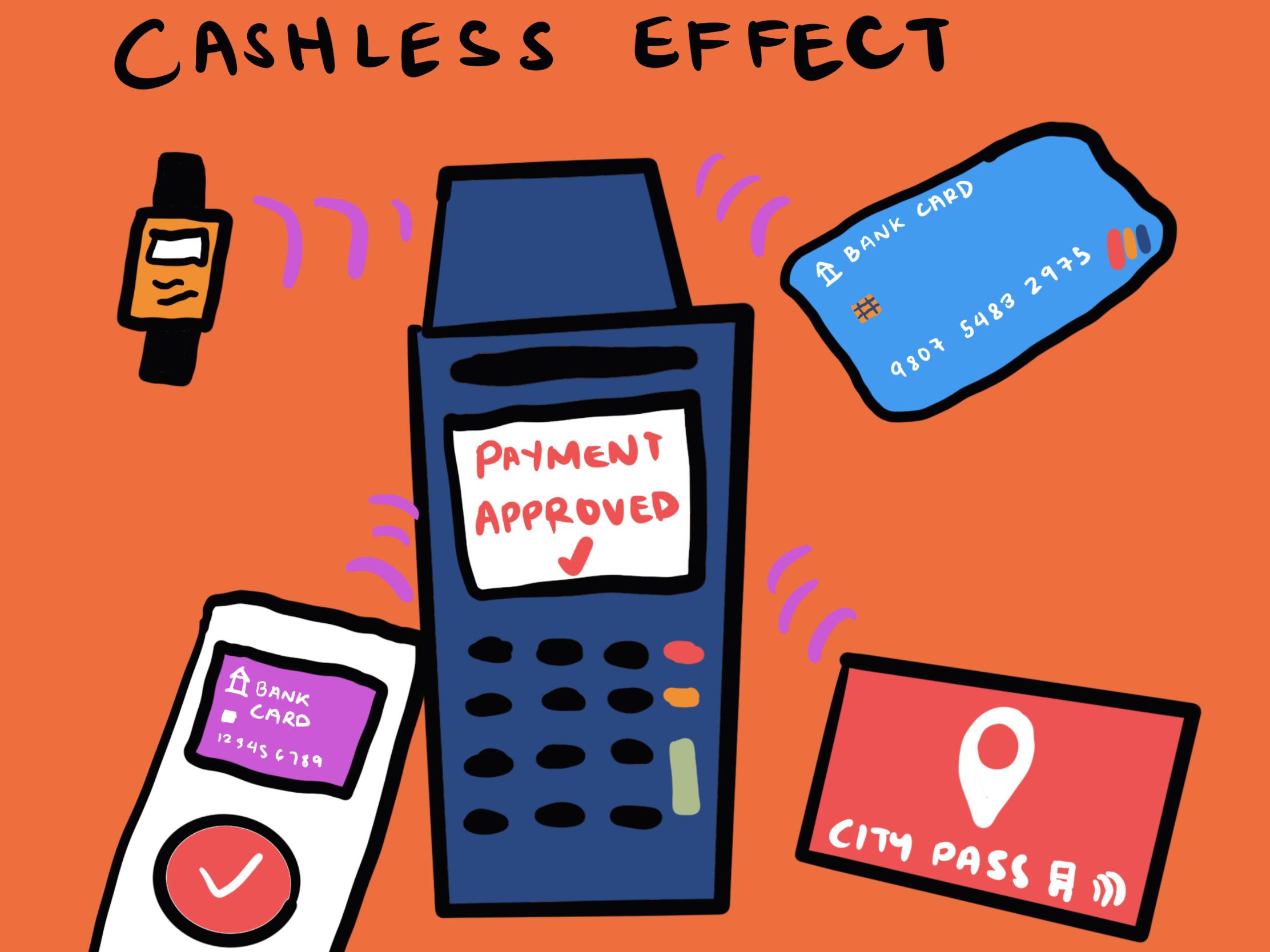
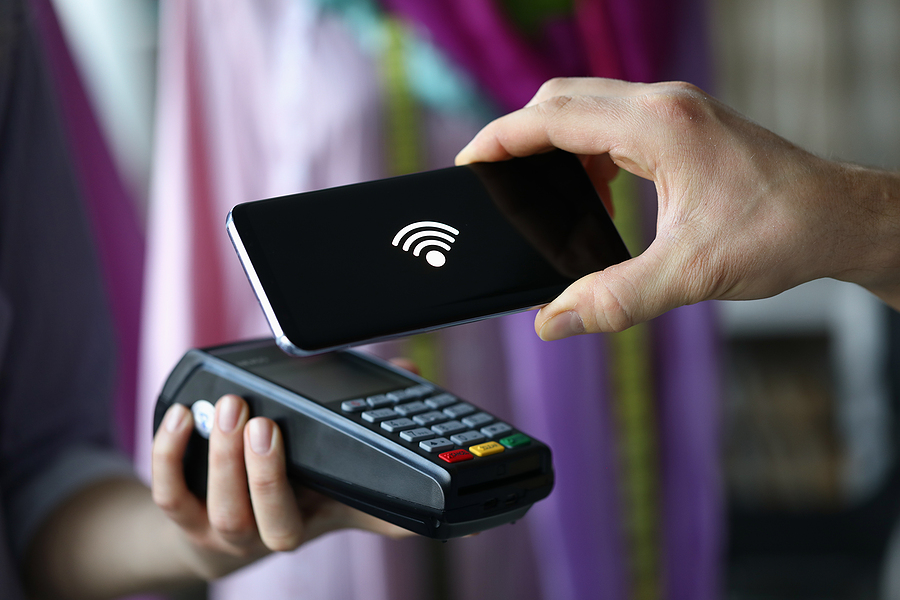
With a QR scan or one-tap payment, the process can feel almost invisible. The transaction is completed in seconds, and there is no physical reminder of how much cash you have left in your pocket.
That convenience can make frequent small purchases easier to justify.
Coffee? Scan.
Food delivery? Tap.
Online sale? Checkout.
Subscription? Auto-renew.
By the end of the month, the individual transactions may have felt harmless, but together they can tell a very different story.
The Cashless Economy Is Getting More Competitive
The Philippines is also moving toward a more fragmented digital payment environment, with consumers having access to multiple e-wallets, banks, payment apps, cards, QR systems, and specialized platforms.
The emergence of players such as eTap shows that the conversation is no longer simply about whether Filipinos will go cashless. It is increasingly about which digital payment experience works best for different situations. ABS-CBN News reported that eTap is positioning itself within the country’s growing cashless ecosystem rather than simply trying to become another GCash.
More competition can mean more choices for consumers. But more choices can also mean more accounts, payment methods, rewards programs, fees, and terms to keep track of.
“Free” Doesn’t Always Mean Zero Cost
Promotions and rewards can make digital payments look especially attractive.
Cashback, discounts, vouchers, points, and waived fees can encourage consumers to use a particular payment method. These incentives can genuinely save money when used strategically.
But rewards can also encourage spending that would not have happened otherwise.
A ₱50 cashback reward does not necessarily mean you saved ₱50 if you spent ₱500 you did not originally plan to spend.
The smarter question is not simply “How much cashback am I getting?”
It is “Would I have bought this anyway?”
Convenience Should Work for Your Budget
Going cashless is not automatically a bad financial decision. In many cases, digital payments can make money management easier, faster, and more transparent.
The key is knowing the actual cost of your digital lifestyle.
Check your transaction history. Look for recurring fees. Review subscriptions you barely use. Compare transfer and cash-out charges between platforms. And pay attention to whether convenience fees are being added to purchases you make regularly.
You don’t necessarily have to go back to carrying a wallet full of cash.
You just need to make sure your cashless lifestyle isn’t quietly cashing out your budget.
The Real Price of “Small” Expenses
The future of payments in the Philippines is clearly becoming more digital. Cashless options are expanding across retail, transportation, banking, and everyday transactions. Recent developments, including cashless payments on public transportation, show how digital payment infrastructure is increasingly becoming part of ordinary Filipino life.
But as cashless becomes the default, consumers also need a new kind of financial awareness.
The question isn’t cash or cashless?
It’s how much are you actually paying for the convenience?
Because sometimes, the most expensive part of a cashless lifestyle isn’t the big transaction.
It’s all the little ones you stopped noticing.