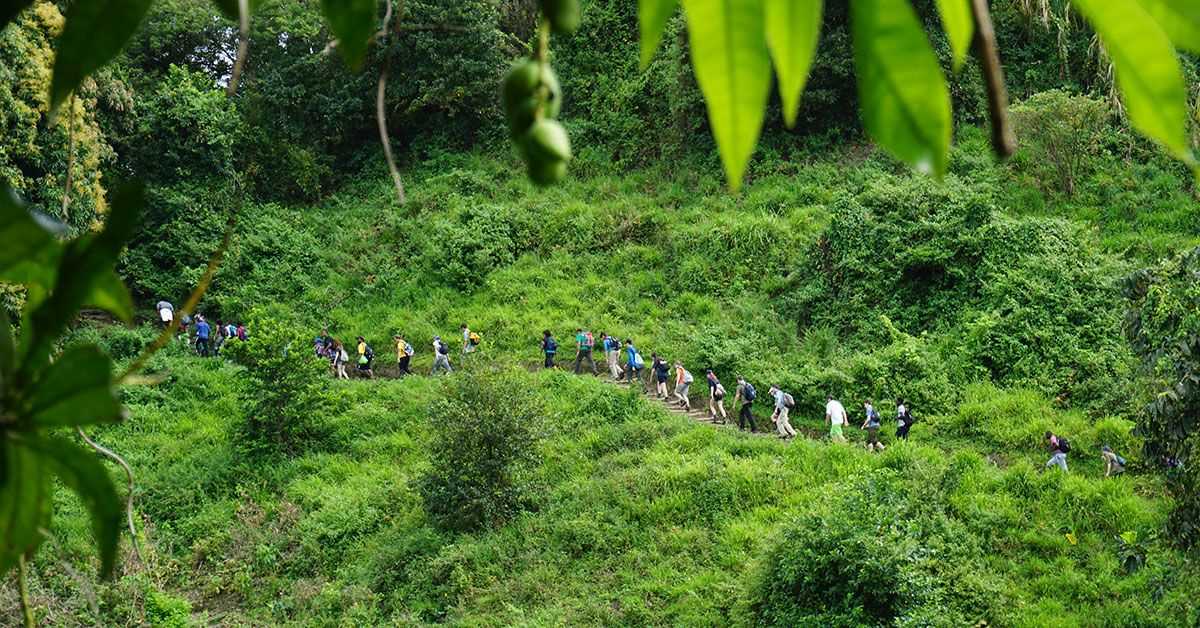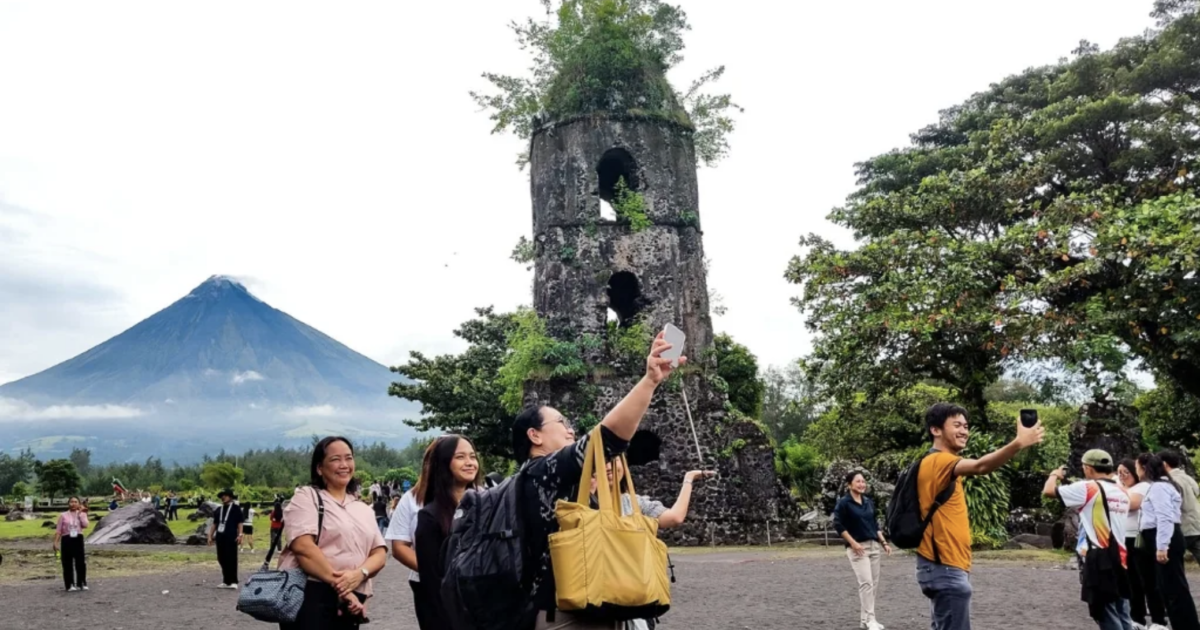
A few years ago, planning a Philippine vacation often meant starting with familiar names such as Boracay, Palawan, Cebu, Bohol, or Baguio.
Today, a trip can begin with something much smaller.

A video of a quiet mountain village appears on TikTok. Someone posts a family-run café in a provincial town. A photo of an uncrowded beach gets shared in a travel group. Before long, travelers are searching for directions, homestays, local guides, and everything else they can do nearby.
That shift is giving small Philippine towns and communities something they did not always have: a direct way to tell their own travel stories.
Travelers are looking beyond the usual destinations
In a feature on the future of Philippine tourism, The Happy Trip argued that smaller destinations can offer something increasingly valuable to travelers: a strong sense of place, local culture, and community.
That idea becomes even more apparent when visitors venture beyond regional cities into smaller municipalities and rural communities.
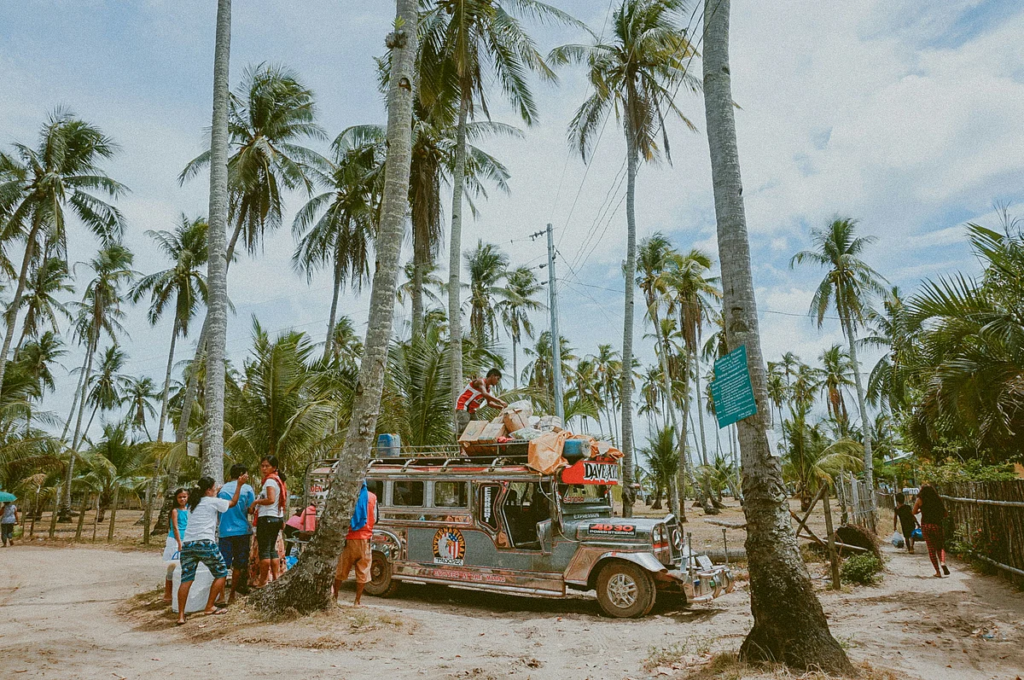
Instead of planning an itinerary entirely around famous attractions, travelers may come for a local market, a traditional dish, an indigenous craft, a waterfall reached with a community guide, or simply the chance to spend a weekend somewhere quieter.
There is a large domestic market for those experiences.
According to the Philippine Statistics Authority, domestic tourism expenditure reached ₱3.26 trillion in 2025, while tourism directly contributed ₱2.27 trillion to the Philippine economy.
For smaller destinations, attracting even a fraction of those travelers can mean more customers for homestays, restaurants, transport operators, guides, artisans, and other local businesses.
Social media has changed how places are discovered
Tourism offices are no longer the only ones capable of introducing a destination to travelers.
Sometimes, all it takes is one compelling post.
People can now discover a town through a weekend vlog, save a waterfall from TikTok, find a café on Instagram, or learn about a local festival through Facebook.

The Happy Trip has also explored how digital tourism is shaping travel in Negros Occidental, with travelers encountering destinations online long before they arrive.
This is especially important for smaller communities that may not have the advertising budgets of major tourism hubs.
A scenic mountain road, an ancestral house, a traditional meal, or a quiet coastline can reach thousands of potential visitors without appearing in a large national campaign.
In many cases, residents and travelers themselves become the storytellers.
But a destination has to offer more than a photo
Social media might put a town on the map, but communities still need to give visitors a reason to stay.
Some destinations are doing this by building tourism around experiences that already belong to the community.
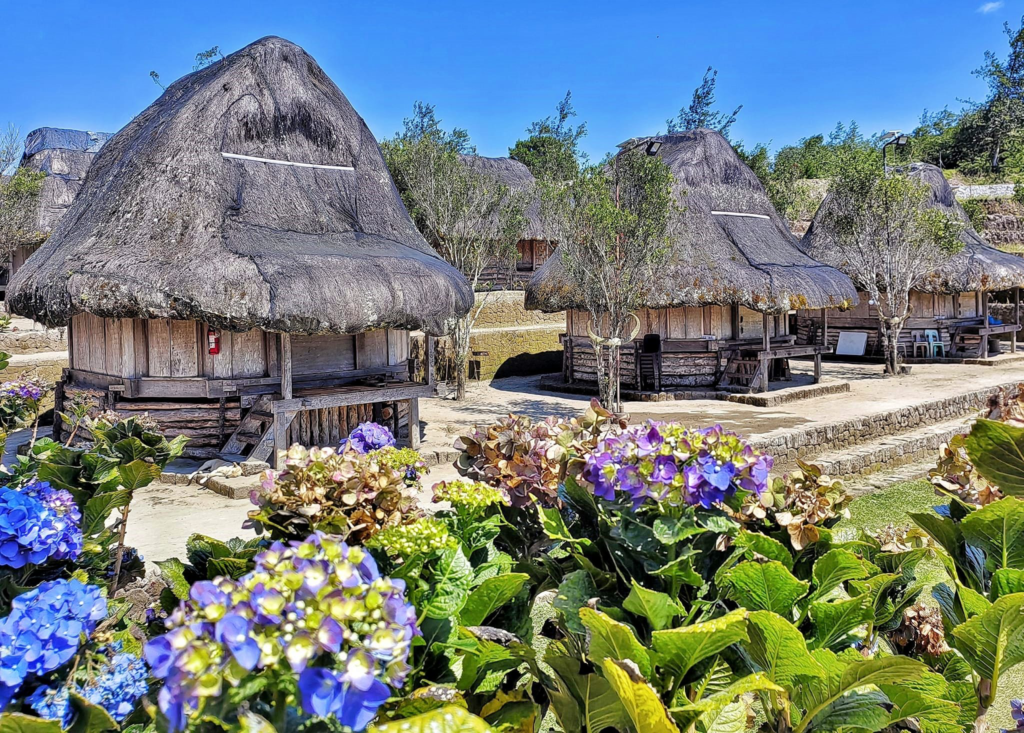
In Kalinga, for example, the Balbalasang Tourism Village combines natural attractions with Cordilleran heritage. The community has been recognized by the Department of Tourism for cultural preservation, local participation, and environmental stewardship.
In Ifugao, tourism villages around the rice terraces offer visitors more than scenic viewpoints. Trips can also include local guides, hot springs, cultural activities, and interaction with communities that have maintained the landscape for generations.
Meanwhile, cultural villages in Mindanao give travelers opportunities to learn about indigenous traditions, weaving, food, and agriculture through experiences connected directly to local communities.
These destinations show why smaller places do not need to imitate Boracay or Siargao.
Their advantage is often precisely what makes them different.
Local businesses become part of the trip
When travelers visit a smaller town, the attraction is rarely limited to one landmark.
The local bakery can become part of the itinerary. So can the public market, roadside café, weaving center, family-run inn, or small restaurant serving a specialty that is difficult to find elsewhere.
This gives tourism spending a chance to reach more people.
It can also make travel feel more personal.
Visitors may remember the beach or mountain view, but they may also remember the guide who shared a local story, the cook who explained how a dish is prepared, or the shop owner who suggested the best place to watch the sunset.
Those encounters are difficult to recreate somewhere else, which is exactly why they make strong travel stories.
Going viral can create new problems
More attention is not automatically better tourism.
A quiet swimming hole can suddenly become crowded after a viral video. Roads may not be ready for more vehicles. Waste can increase, and local traditions can sometimes be reduced to photo opportunities.
That is why community-led tourism matters.
Residents are often in the best position to decide how sensitive areas should be visited, which traditions can be shared, and how tourism income can benefit the community without damaging the place that attracted travelers in the first place.
Visitors have a role, too.
Hiring local guides, following community rules, asking permission before photographing people, buying from local businesses, and leaving no waste behind are simple ways to make tourism more respectful.
The next great trip may start somewhere small
The Philippines does not lack beautiful destinations. What is changing is how many of them travelers can now discover.
Domestic tourism remains a major part of the economy, while social media has made it easier for lesser-known towns to reach potential visitors without massive marketing campaigns.
At the same time, community-led experiences are giving travelers reasons to look beyond famous beaches and major cities.
Small towns do not need to become the next Boracay.
Sometimes, having a strong community, a distinctive culture, and a story travelers cannot experience anywhere else is enough to put a place on the map.