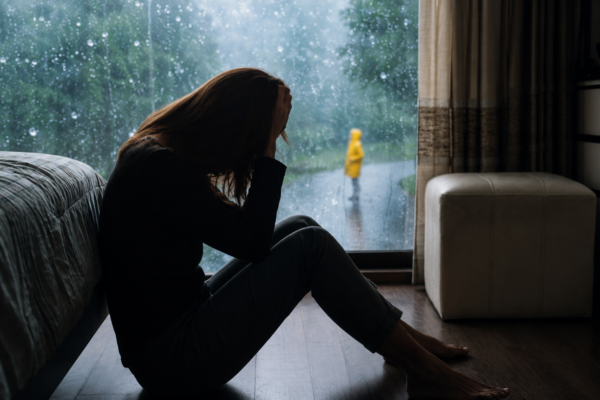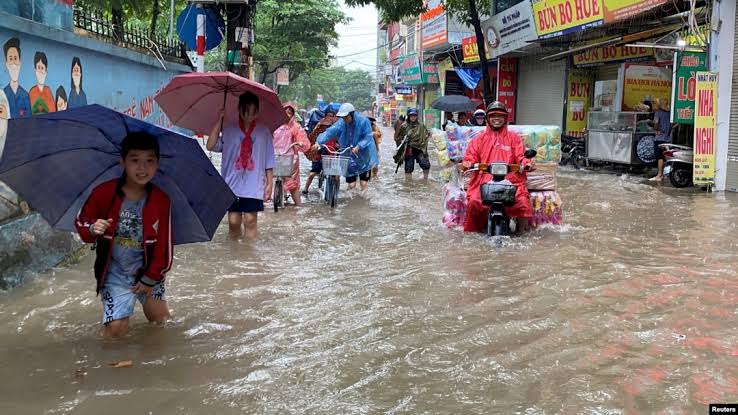
Flooding is more than a problem of stranded commuters, canceled classes and waterlogged streets. For many Filipinos, flood season also brings a less visible threat: increased exposure to diseases and other health hazards that can linger even after the water recedes.
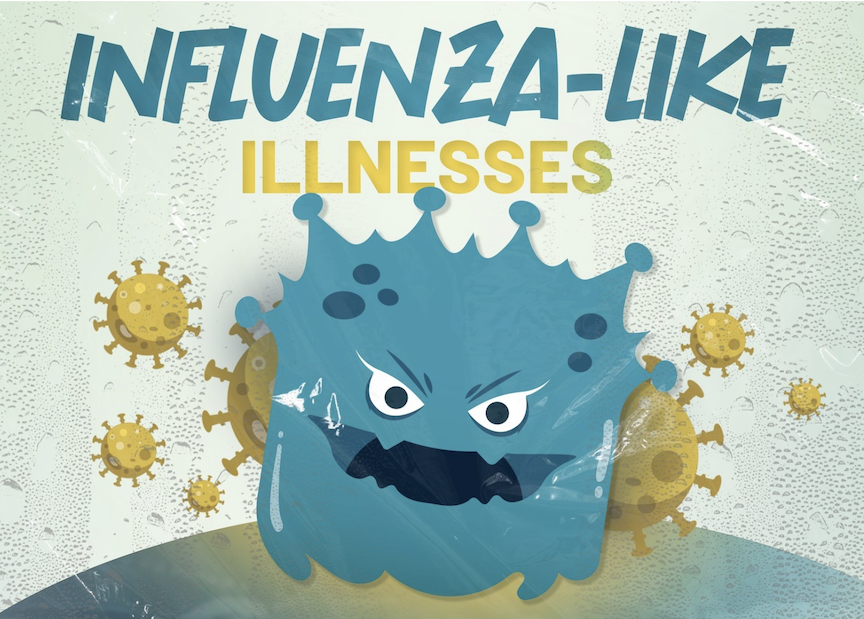
The Department of Health (DOH) has repeatedly warned about W.I.L.D. diseases during rainy periods, covering water- and food-borne illnesses, influenza-like illnesses, leptospirosis and dengue.
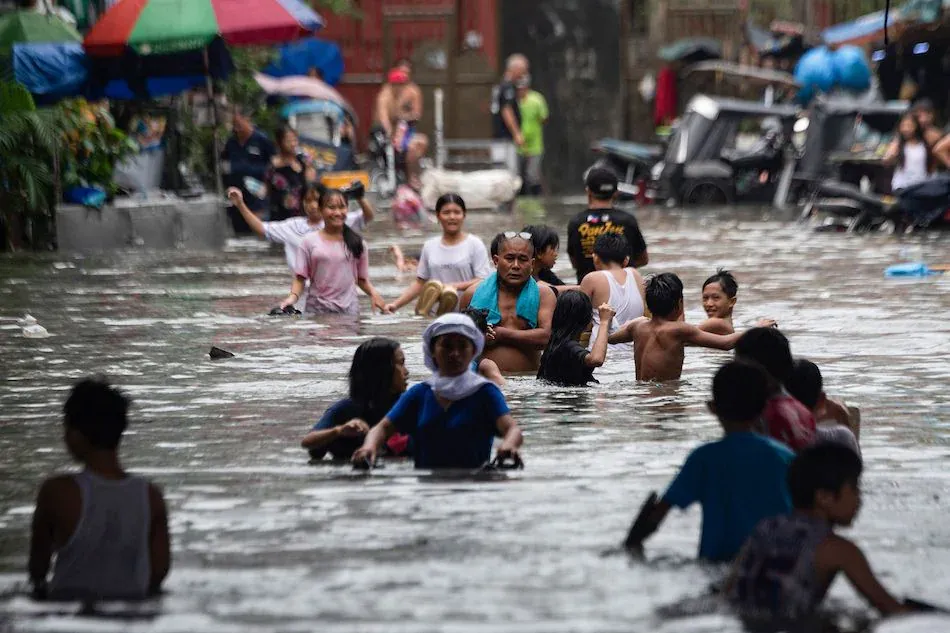
For families living in flood-prone communities, knowing what can happen after exposure to floodwater can make a major difference. Some illnesses may appear days or even weeks later, which means feeling fine immediately after a flood does not necessarily mean the risk is over.
Leptospirosis: Floodwater risk you should take seriously
Leptospirosis is one of the biggest health concerns associated with flooding in the Philippines. The bacterial infection is commonly linked to water or soil contaminated with urine from infected animals, particularly rats. The bacteria can enter through cuts, wounds or other exposed areas of the skin, as well as through the eyes, nose and mouth.
What makes leptospirosis particularly concerning is that symptoms may not appear immediately. The DOH says symptoms can take between two and 30 days to develop. Fever, headache, muscle pain, vomiting, nausea and red eyes are among the symptoms to watch for after floodwater exposure. Severe infections can lead to kidney damage, liver failure, meningitis and breathing problems.
If you have been exposed to floodwater, particularly contaminated water or mud, seeking medical advice promptly is important. The DOH has also advised people exposed to floodwater to consult a health professional because preventive treatment may be appropriate in some circumstances.
Dengue risk doesn’t end when the floodwater goes down
Flooding can leave behind stagnant water in containers, drainage areas, discarded objects and other spaces around homes and communities. These can become breeding sites for mosquitoes that transmit dengue.

The DOH continues to recommend eliminating potential breeding sites and practicing personal protection, including using insect repellent and wearing clothing that covers the arms and legs when appropriate.
For households, the simple rule is to avoid letting standing water sit around. The DOH’s familiar 4Ts approach, Taob, Taktak, Tuyo, Takip, encourages people to overturn, empty, dry and cover water-holding containers.
Dirty floodwater can contaminate food, drinking water
Flooding can disrupt sanitation systems and contaminate water sources. This increases the risk of water- and food-borne diseases, including diarrhea and other gastrointestinal illnesses.

The Philippine Council for Health Research and Development notes that flooding can increase communicable diseases associated with contaminated water, including typhoid fever, cholera and leptospirosis.
That makes drinking water one of the first things households should check after flooding. If the safety of the water supply is uncertain, DOH guidance advises using safe water, including boiling water before drinking when necessary.
Food should also be handled carefully. Floodwater that comes into contact with food can introduce contaminants, while poor sanitation can increase exposure to pathogens.
Flu and other infections can spread more easily
Flood season is not only about diseases directly connected to floodwater.

The DOH also includes influenza-like illnesses among the W.I.L.D. diseases associated with rainy periods. In crowded evacuation centers and other shared spaces, respiratory illnesses can spread more easily, particularly when many people are staying together.
Basic precautions still matter: wash your hands regularly, practice proper cough etiquette and avoid going to school or work when you are sick enough to potentially expose others.
Skin, eye and other health problems can follow flooding
Floodwater can contain bacteria, chemicals, sewage and other contaminants, so direct contact can create risks beyond leptospirosis.
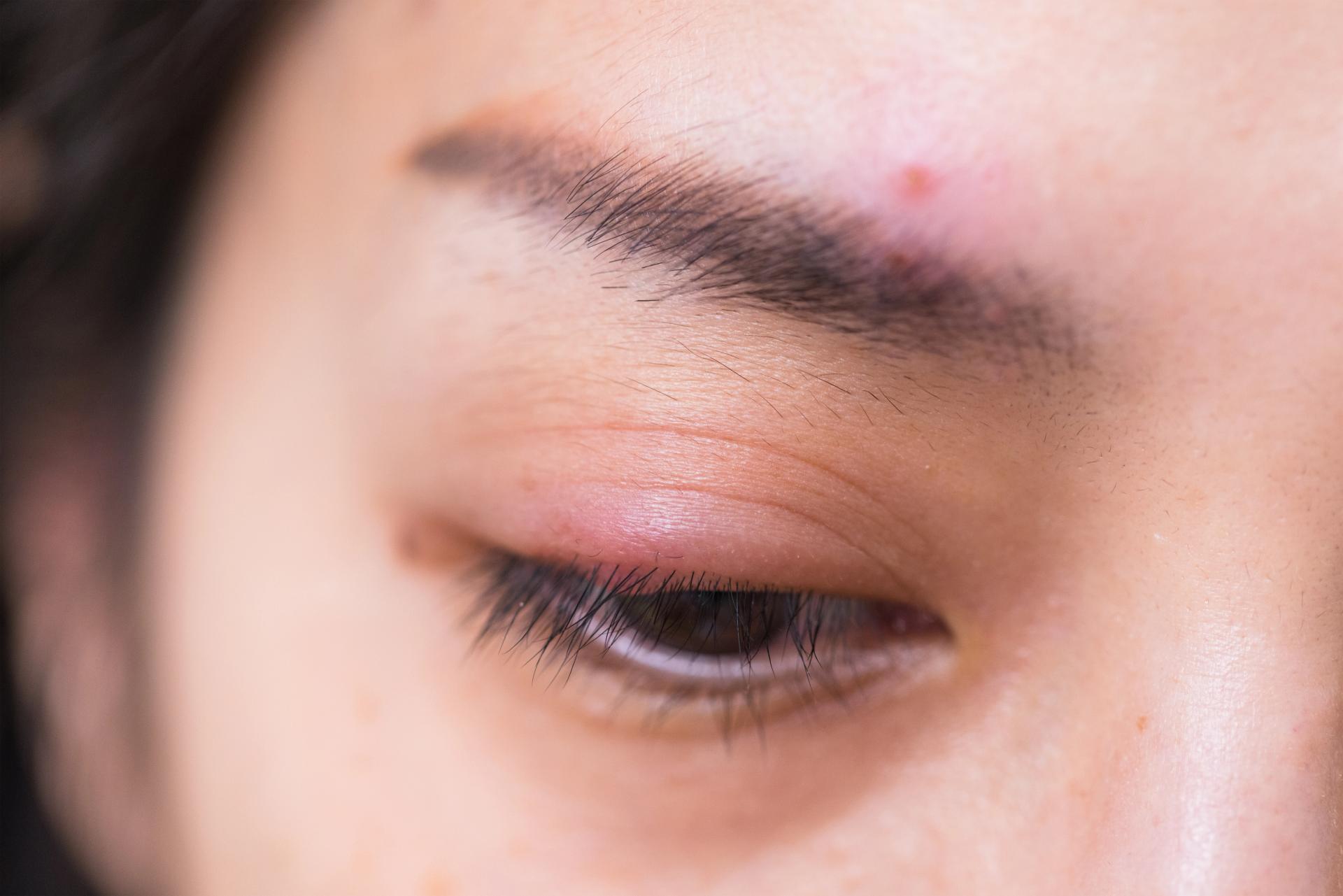
Philippine health advisories also identify skin and eye infections, acute gastroenteritis and other communicable diseases as possible concerns following typhoons and flooding.
This is why cleaning yourself after unavoidable floodwater exposure matters. The DOH has advised washing the body with clean water and soap after contact with floodwater.
What to do if you cannot avoid floodwater
Sometimes, wading through floodwater is unavoidable, especially when residents need to evacuate or return home. But reducing exposure should still be the priority.
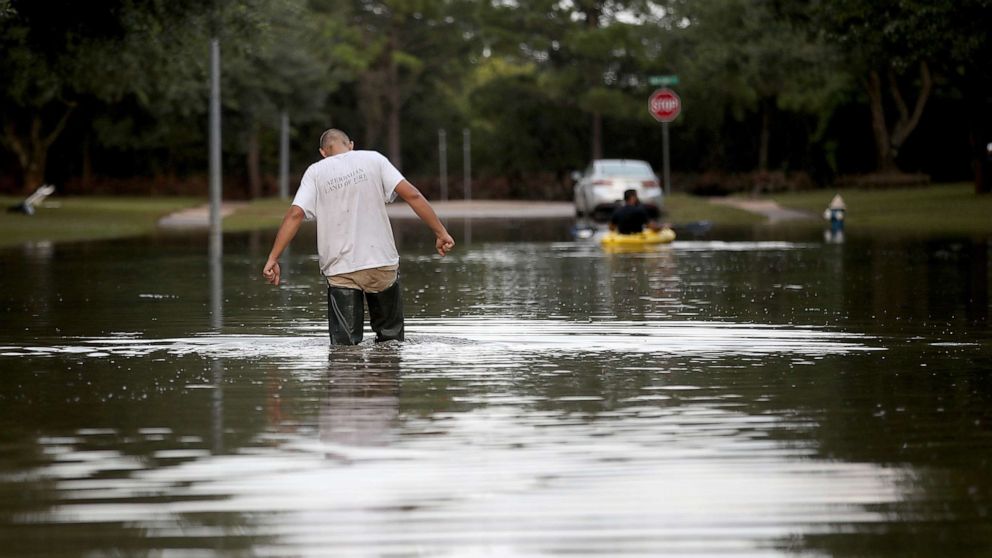
Wear waterproof boots or other protective footwear when possible, cover cuts and wounds with waterproof dressings, and avoid swallowing or bathing in floodwater. The CDC also recommends keeping wounds covered and using safe drinking water after flooding.
Once you are safely out of the water, wash exposed areas thoroughly with clean water and soap.
Watch your health even after the flood
One of the biggest mistakes people can make is assuming that the health threat disappears once the streets dry.

Leptospirosis, for example, can take days or weeks before symptoms become noticeable. The CDC advises people to watch for symptoms for two to 30 days after possible exposure to contaminated floodwater.
If fever, muscle pain, vomiting, headache, red eyes, unusual weakness or other concerning symptoms develop after flood exposure, tell a healthcare professional about the exposure history. Early consultation can help doctors consider the appropriate diagnosis and treatment.
Flood safety is also health safety
Flood preparedness often focuses on keeping documents dry, charging phones and securing appliances. But protecting your health should be part of the same checklist.
Avoiding unnecessary contact with floodwater, securing clean drinking water, removing mosquito breeding sites, practicing good hygiene and seeking medical advice when symptoms appear can help reduce the health risks that come with the rainy season.
Floods may eventually disappear from the streets, but some of their health effects can last much longer. Staying alert after the water goes down can be just as important as staying safe while it is rising.