
For many Filipinos, the rainy season brings welcome relief from the summer heat. It’s the perfect excuse to stay indoors, curl up with a warm bowl of arroz caldo, binge-watch favorite shows, or enjoy a cup of hot tsokolate while listening to the rain.
But for others, the gloomy weather brings something less comforting. They may feel unusually tired, less motivated, or emotionally drained without fully understanding why.
While it’s common to blame the weather, these changes can raise an important question: Is it just the rainy season blues, or could it be seasonal depression?

IMAGE CREDIT: iStock
Understanding the difference can help you recognize when your feelings are temporary — and when they may deserve more attention.
What are rainy season blues?
It’s completely normal to feel a little less energetic when the skies are cloudy for days on end. Less sunlight, canceled outdoor plans, traffic caused by heavy rains, and spending more time indoors can all affect your mood.
Boost your mood when the sun is away. (IMAGE CREDIT: Baylorr Scott & White Health)
These temporary feelings are often referred to as the rainy season blues. You might notice that you:
- Feel less motivated to work or study
- Prefer staying in bed longer
- Experience lower energy levels
- Crave comfort food or sweets
- Feel slightly irritable or unproductive
For most people, these feelings come and go. Once the weather improves or routines return to normal, so does their mood.
What is seasonal depression?
Seasonal depression, medically known as Seasonal Affective Disorder (SAD), is a type of depression linked to changes in the seasons. It is more commonly associated with countries that experience long, dark winters, where reduced daylight significantly affects the body’s internal clock and mood.
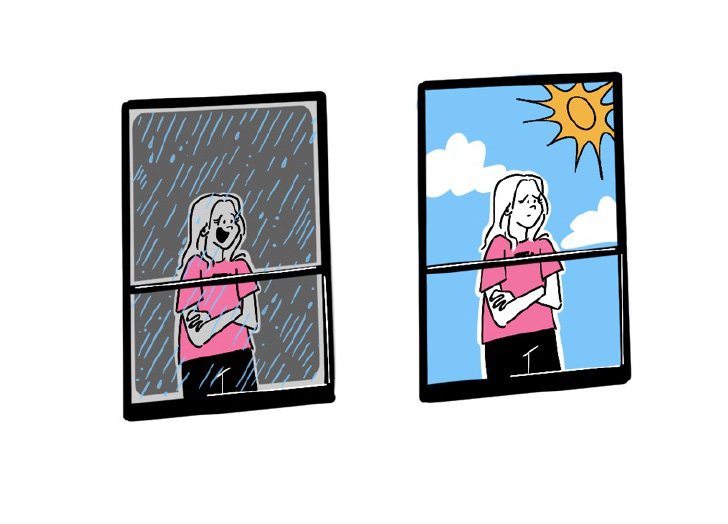
IMAGE CREDIT: PureWow
In tropical countries like the Philippines, SAD is considered less common because daylight hours remain relatively consistent throughout the year. However, mental health professionals note that prolonged periods of gloomy weather, disrupted routines, and limited outdoor activity during the rainy season may still contribute to emotional distress in some individuals.
Unlike temporary rainy day blues, seasonal depression can interfere with daily life and persist for weeks or even months.
Signs it may be more than just the weather
Everyone has bad days, but if your symptoms become persistent or start affecting your daily routine, they may be worth paying closer attention to.
Some common signs include:
- Feeling sad or hopeless nearly every day
- Losing interest in hobbies or activities you once enjoyed
- Constant fatigue despite getting enough sleep
- Difficulty concentrating
- Significant changes in appetite or weight
- Sleeping much more than usual
- Withdrawing from friends and family
- Feeling worthless or excessively guilty
If these symptoms last for two weeks or longer and interfere with work, school, or relationships, it’s important to seek support from a qualified mental health professional.
Why rainy weather can affect your mood
Weather alone doesn’t cause depression, but it can influence factors that affect emotional well-being.

IMAGE CREDIT: Pluviophile
Reduced sunlight may lower serotonin levels, a brain chemical associated with mood regulation, while changes in daylight can also disrupt the body’s circadian rhythm, affecting sleep and energy levels.
Rainy weather can also limit physical activity, social interactions, and exposure to nature — all of which play a role in maintaining good mental health.
For many Filipinos, long commutes, flooding, and traffic caused by heavy rains can add extra stress to an already demanding daily routine.
Simple ways to beat rainy season blues
If you’re simply feeling less motivated during gloomy weather, small lifestyle changes can make a noticeable difference.

IMAGE CREDIT: Harvard Health
- Let Natural Light In – Open your curtains during the day or spend time near windows whenever possible. Even on cloudy days, natural daylight is beneficial.
- Stay Physically Active – Exercise doesn’t have to mean going to the gym. Home workouts, yoga, stretching, or dancing can help improve your mood by releasing endorphins.
- Stick to Your Routine – Maintaining regular sleep schedules, meal times, and daily activities helps your body stay balanced even when the weather changes.
- Stay Connected – Rainy days can encourage isolation. Make time to call friends, spend time with family, or simply chat with someone you trust.
- Eat Nourishing Comfort Food – There’s nothing wrong with enjoying your favorite rainy-day meals. Pair comforting dishes like sinigang, lugaw, or champorado with balanced nutrition to support your overall well-being.
- Practice Mindfulness – Reading, journaling, meditation, or simply taking a break from social media can help reduce stress and improve emotional resilience.
When should you seek professional help?
There’s no shame in asking for help if your emotional struggles persist.
Know when to seek professional mental health support. (IMAGE CREDIT: Mental Health First Aid)
If feelings of sadness, hopelessness, or anxiety continue for more than two weeks, become overwhelming, or interfere with daily life, consider reaching out to a licensed psychologist, psychiatrist, or other qualified mental health professional.
Early support can make a meaningful difference and help prevent symptoms from worsening.
Mental health is just as important as physical health, regardless of the season.
Finding light even on rainy days
Rainy afternoons often encourage us to slow down, reflect, and spend more time indoors. For many people, that’s a welcome change of pace. But if the gloomy weather starts affecting your emotional well-being, it’s worth paying attention to how you’re feeling.
While the rainy season blues are usually temporary, persistent sadness or changes in mood shouldn’t be ignored. By understanding the difference between a passing emotional slump and seasonal depression, you can take better care of yourself and know when it’s time to seek support.
After all, even the longest rainy season eventually gives way to brighter days — and sometimes, reaching out for help is the first step toward seeing the sunshine again.