Not long ago, launching a business online usually meant building a website, buying digital ads, and hoping customers would eventually find you.
Today, a single livestream or short video can introduce a product to thousands — even millions — of people in just a few hours.
That shift is changing how many Filipino entrepreneurs build their businesses.
Instead of relying on expensive marketing campaigns, more small business owners are discovering that storytelling, authenticity, and community can be just as valuable as advertising budgets.
It’s a trend TikTok Shop calls discovery e-commerce — where people don’t necessarily search for products but discover them while watching videos, creators, or livestreams.
From search to discovery

For 22-year-old entrepreneur Bridget Cortez, that difference has been life-changing.
Discovery e-commerce has changed how businesses connect with customers. Rather than waiting for consumers to search for a product, entrepreneurs now have opportunities to introduce their brands through engaging videos, livestreams, and creator collaborations that naturally become part of people’s daily online viewing.
For many small businesses, it represents a shift from competing on advertising spend to competing on creativity, authenticity, and the ability to tell a compelling story.
A ₱15,000 idea grows into a homegrown brand
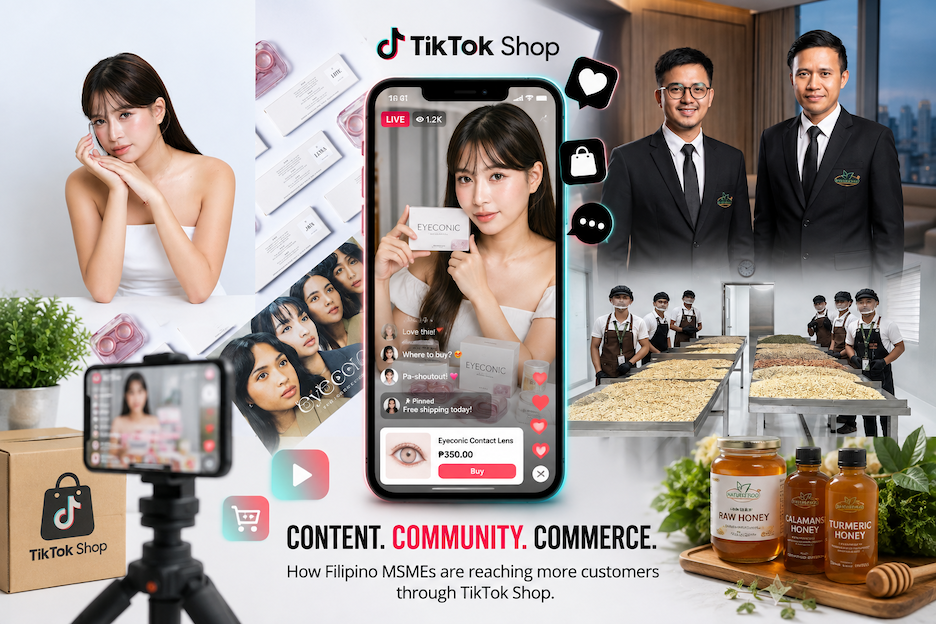
She launched contact lens brand Eyeconic in 2020 with a ₱15,000 loan from her grandmother while still in high school. Between university classes, supplier meetings, and trips between Pampanga and Manila, she slowly built what started as a small side business into a growing homegrown brand.
Instead of pouring money into traditional advertising, Eyeconic focused on creating videos that educated customers, showcased products, and encouraged conversations.
The approach worked.
TikTok Shop eventually became the company’s biggest sales channel, helping the business expand while creating part-time jobs for students who now serve as livestream hosts.
“We don’t need a massive marketing budget to be seen,” Cortez said. “As long as we have content that connects with people and a product that delivers, customers will naturally support us.”
When going live changes everything

Another example comes from Pampanga-based Naturefood, which began by selling honey sourced from Mangyan communities before expanding into other locally produced goods.
After embracing livestream selling and creator collaborations, the company says its sales grew by 300%.
Today, it employs more than 130 people while continuing to work closely with farmers and local suppliers.
For Naturefood, digital commerce has become more than a sales channel. It has helped the business create jobs, support local producers, and reach customers far beyond its immediate community — demonstrating how technology can generate benefits that extend beyond business growth.
Why storytelling is becoming a business advantage
The stories reflect a broader change in how Filipinos shop online.
Consumers are spending less time typing product names into search bars and more time discovering brands through videos that entertain, educate, or answer real questions.
For entrepreneurs, that means success increasingly depends not only on having a good product, but also on telling its story well.
In many ways, shopping has become less transactional and more conversational. Buyers want to see products in use, hear authentic experiences, and interact with brands before deciding to make a purchase. For MSMEs, that creates an opportunity to build trust in ways that were once available only to companies with large advertising budgets.
A level playing field for small businesses
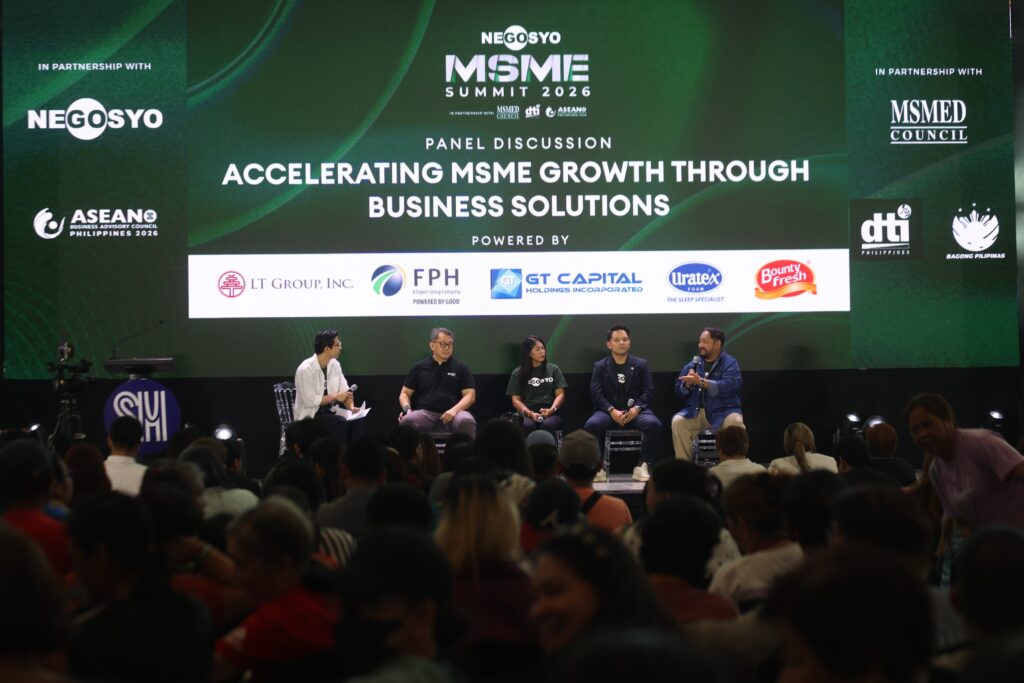
Speaking at the recent GoNegosyo MSME Summit, TikTok Shop Philippines said this shift is creating new opportunities for small businesses that may not have the resources to compete with larger brands through conventional advertising.
More than 90% of sellers on TikTok Shop are local businesses, according to the platform.
For shoppers, discovery commerce simply makes buying feel more natural.
For entrepreneurs, it offers something even more valuable: the chance to compete on creativity instead of marketing budgets.
As more Filipinos turn to videos, creators, and livestreams before making purchases, one thing is becoming increasingly clear — the next successful business may not be the one with the biggest advertising campaign, but the one whose story people choose to watch.