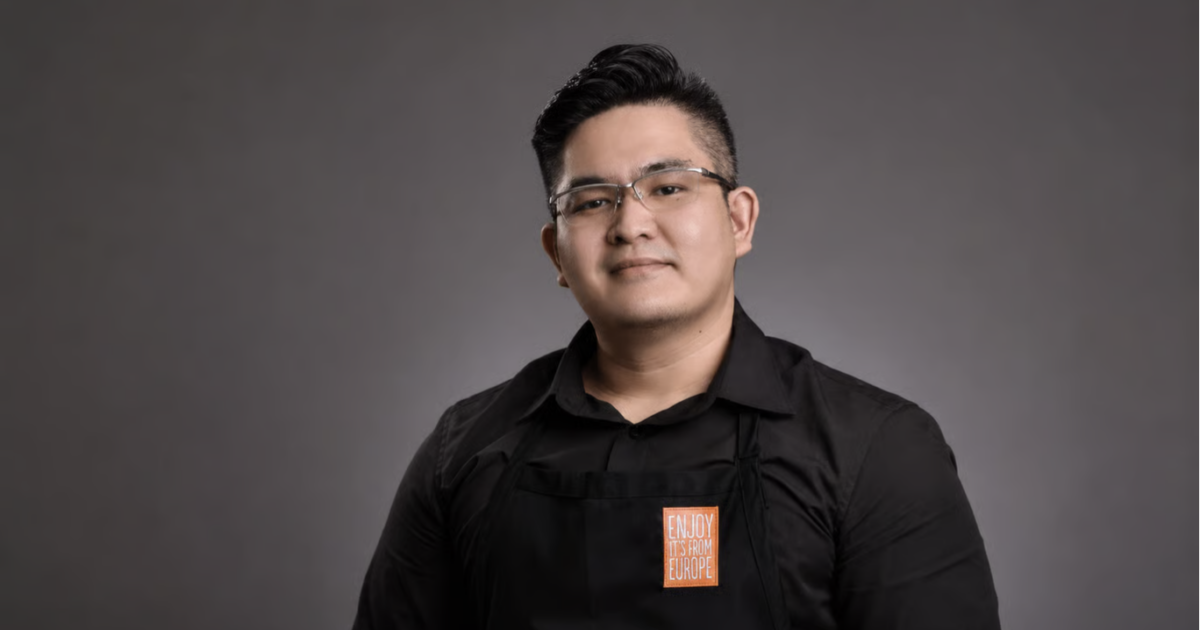
The entrepreneur behind Boracay’s popular gyukatsu restaurant says understanding the ingredient (beef) came long before building the brand.
When people think of restaurant founders, they often imagine chefs perfecting recipes or entrepreneurs chasing the next dining trend.
Kevin Tan’s journey began somewhere much less glamorous — in cold storage facilities, supplier meetings, and conversations about cattle breeds, marbling, and meat quality.
Long before Gyukatsu Matsumura became a favorite among Boracay visitors, Tan had already spent years immersed in the Philippine meat import business, learning the details that most diners rarely think about.
As part of a family involved in importing premium beef, he developed an appreciation for the science and craftsmanship behind every cut, from selecting breeds and evaluating marbling to understanding aging techniques and preserving quality throughout the supply chain.
Those lessons would eventually shape his first restaurant.
Instead of creating a menu and then searching for ingredients, Tan did the opposite: he built the restaurant around the ingredient he understood best.
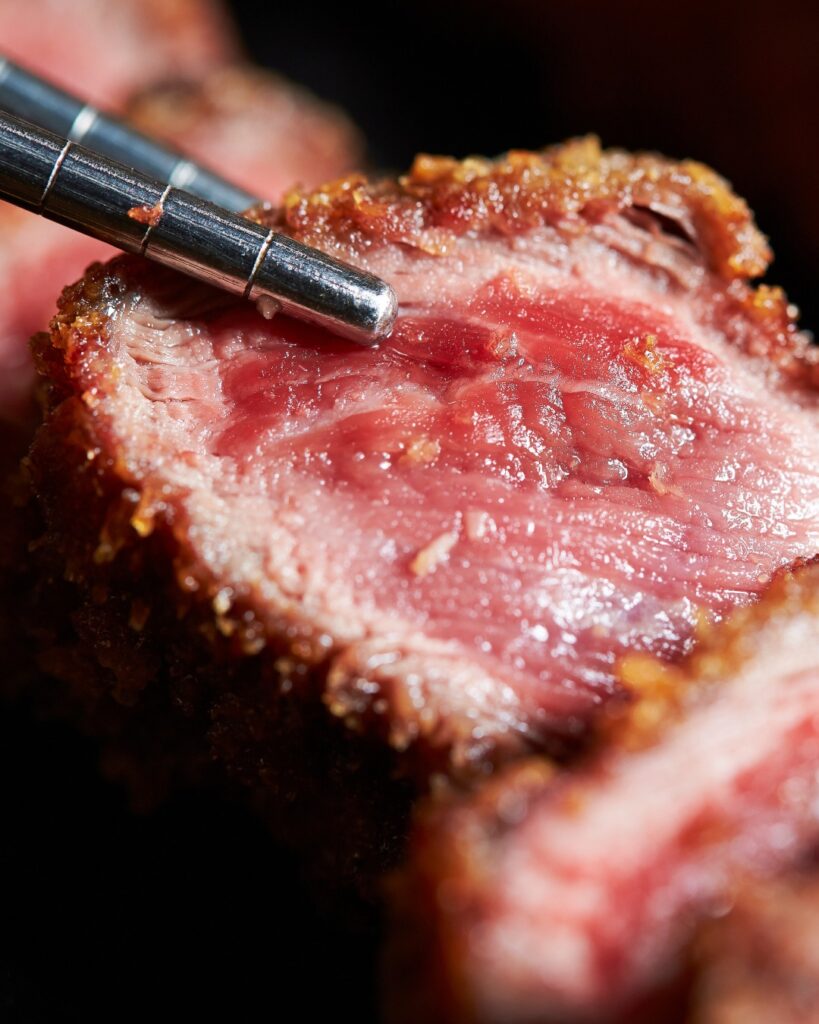
That philosophy became the foundation of Gyukatsu Matsumura, a Japanese restaurant that specializes in gyukatsu — a lightly breaded beef cutlet served rare to medium rare and finished by diners on a hot stone at their table.
Unlike heavily seasoned dishes, gyukatsu leaves very little room to disguise imperfections.
“The beef has to stand on its own,” Tan explained. “If you begin with the right ingredient, everything else follows.”
That approach continues to guide how he runs the business today. Rather than simply serving food, Tan says his team is constantly studying consumer behavior, testing new ideas, refining systems, and looking for ways to improve the dining experience before trends become saturated. “In many ways, we operate like a technology company in the food industry,” he said.
Looking beyond familiar Japanese favorites
When Tan introduced gyukatsu in Boracay, he knew he was asking diners to try something unfamiliar.
Japanese cuisine in the Philippines has long been dominated by sushi, ramen, yakiniku, and more recently, samgyupsal-inspired dining. But Tan believes Filipino diners are becoming more adventurous and are beginning to look beyond the classics.
He sees gyukatsu following the path of other lifestyle trends that quietly gathered momentum before becoming mainstream.
“I think gyukatsu has the potential to become the next big Japanese dining experience here,” he said. “As tastes evolve, people aren’t just looking for another meal — they’re looking for something they can experience.”
Tan likens its potential to the rapid rise of pickleball, a niche activity that eventually became part of everyday conversations. He believes Filipino diners are ready for a more interactive Japanese dining experience, one that combines quality ingredients with the ritual of finishing the beef themselves on a hot stone.
For him, bringing gyukatsu to the Philippines isn’t about copying a successful concept from Japan. It’s about identifying food experiences that consistently draw long queues overseas, preserving what makes them authentic, and thoughtfully adapting them for Filipino diners.
Growing carefully, not quickly
IMAGE CREDIT: gyukatsu
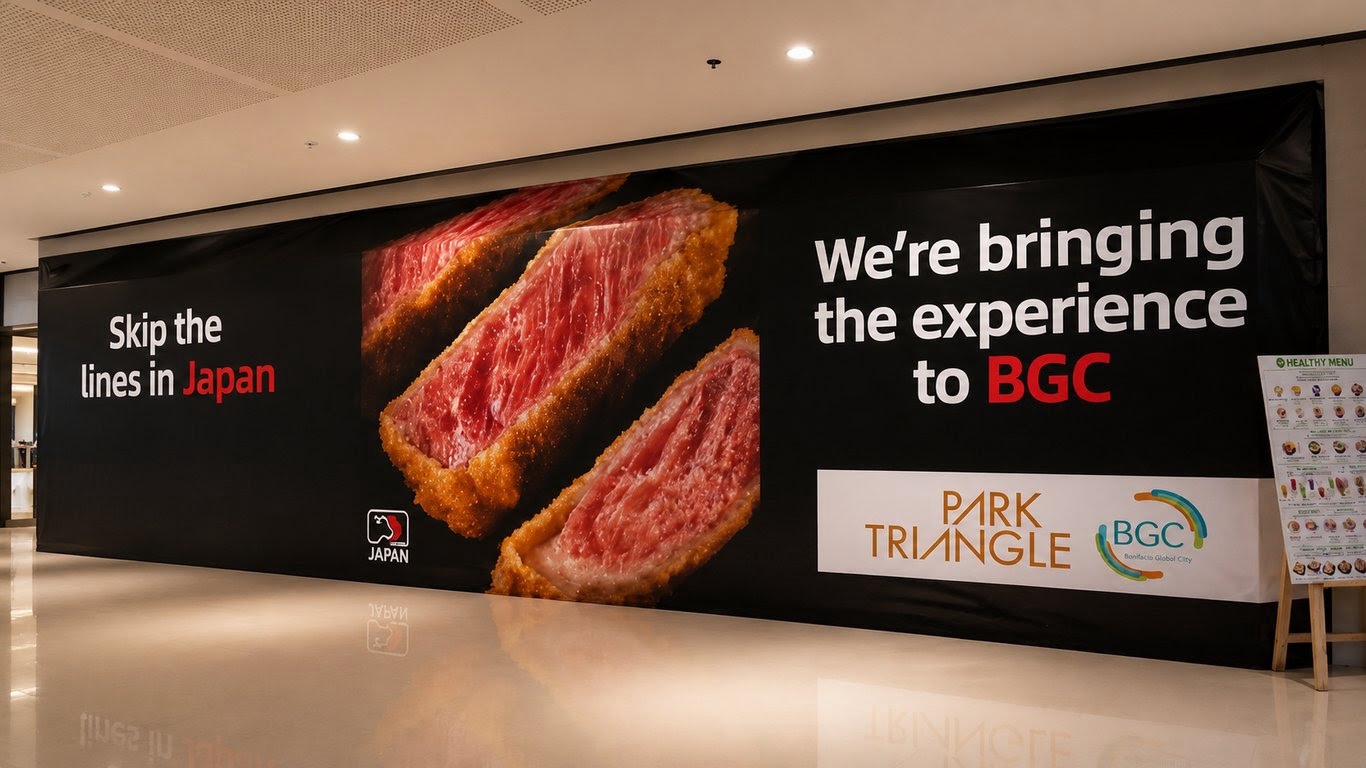
IMAGE CREDIT: gyukatsu
Gyukatsu Matsumura quietly built a following after opening in Boracay, attracting tourists who stumbled upon the restaurant while vacationing on the island. Many returned during subsequent trips, while others began asking when the concept would make its way to Metro Manila.
Tan admits those requests became difficult to ignore.
Even so, expansion was never something he wanted to rush.
He believes every new branch should deliver the same quality guests have come to expect, from the sourcing of the beef to the consistency of the dining experience. If those standards cannot be maintained, he’d rather wait than grow too quickly.
“Growth has always been intentional,” Tan said, explaining that new branches are opened only when the team is confident they can replicate the same sourcing standards, operational discipline, and guest experience that made the Boracay restaurant successful.
That measured approach explains why the restaurant’s second branch arrives several years after the first.
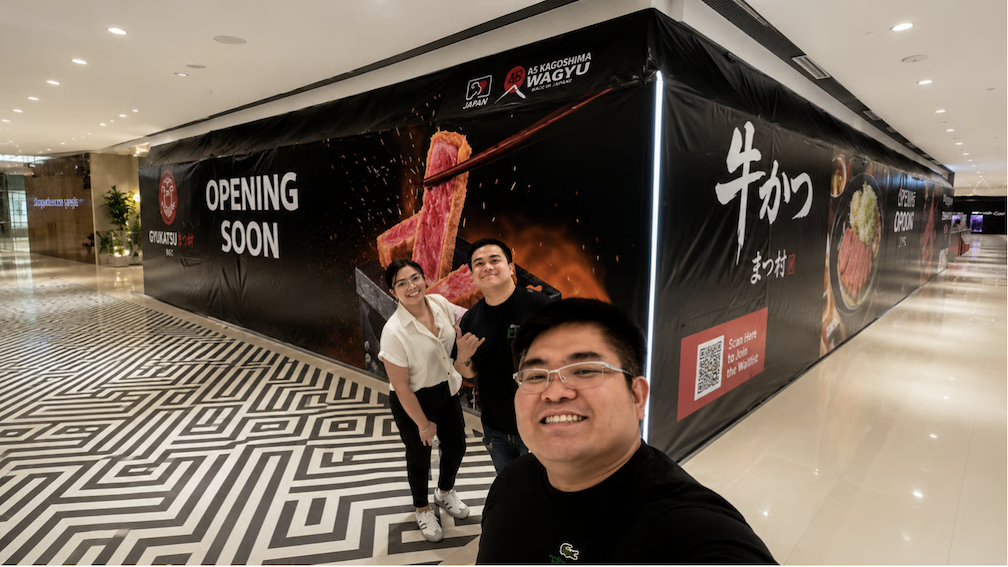
This September, Gyukatsu Matsumura will open at Park Triangle Mall in Bonifacio Global City, introducing the concept to diners in Metro Manila while relying on the same sourcing network and preparation standards established in Boracay.
For Tan, the opening represents less of a business milestone than the continuation of an idea he has spent years developing.
The ingredient still comes first
Despite now running a growing restaurant business, Tan still finds himself thinking like the beef importer he once was.
He continues to pay close attention to sourcing, believing consistency begins long before the first customer walks through the door.
It’s a mindset that has remained unchanged even as the business has grown.
Many restaurants, he noted, start by deciding what they want to serve before looking for suppliers. His team has always worked in reverse, selecting the beef first and building the dining experience around it.
His long-term goal goes beyond opening more branches. Tan says he wants to make premium Japanese dining more accessible without compromising authenticity, combining exceptional ingredients, attentive service, continuous innovation, and fair pricing. “We’re not simply following trends,” he said. “We want to help shape the next generation of dining experiences in the Philippines.”
That philosophy has shaped every plate served at Gyukatsu Matsumura — and it’s one he hopes to carry into its newest chapter in Bonifacio Global City.
For diners, the new restaurant offers another place to enjoy gyukatsu.
For Kevin Tan, it’s the latest step in a journey that started years ago, long before he ever considered opening a restaurant, with a simple belief that great meals begin with great ingredients.